Where 100% Muslim Status Stands Above Political Waves
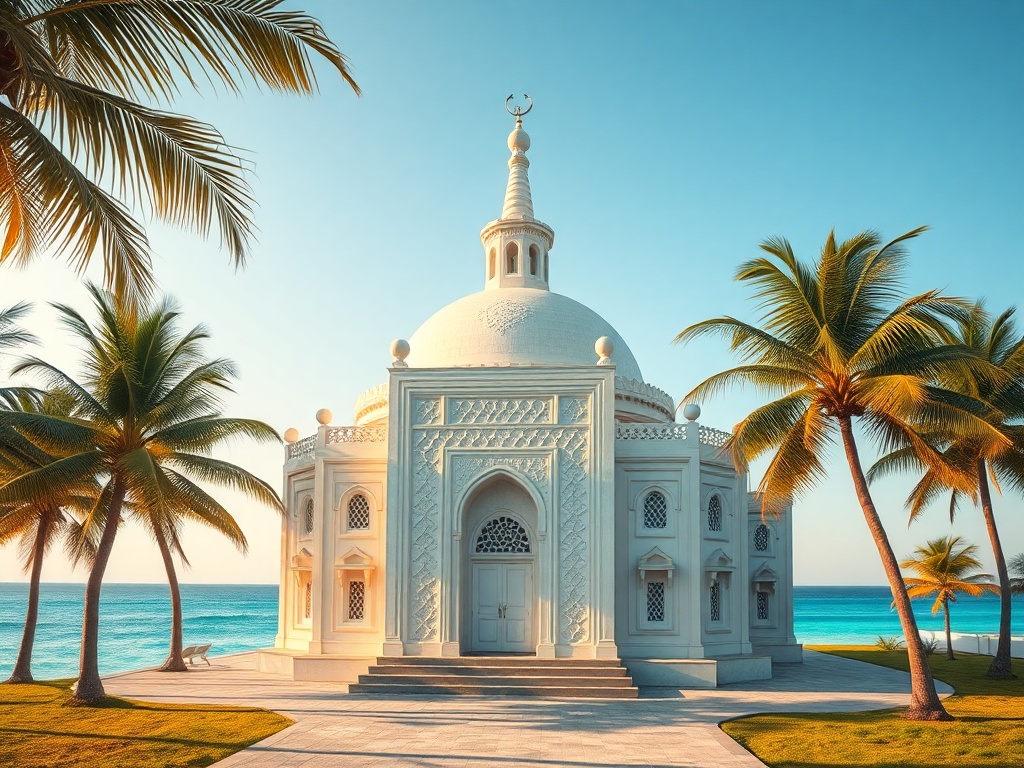
In the archipelago nation of the Maldives, where turquoise waters meet white sand shores, there exists a constitutional bedrock that remains untouched by political tides: the country's identity as a 100% Islamic nation. This status, enshrined in law and embraced by the majority, represents more than mere policy—it forms the core of national identity and governance.
The constitutional mandate establishing Islam as the state religion stands as a rare point of consensus in an otherwise politically fragmented landscape. Across party lines—from President Muizzu's PNC to the opposition MDP and religious parties like Adhaalath—this principle remains sacrosanct. No mainstream political figure challenges this foundation, recognizing that to do so would be political suicide in a nation where Islamic identity intertwines with cultural heritage.
This religious framework operates within a complex socio-economic reality. While the constitution guarantees Islamic primacy, the country faces pressing challenges including economic strain, housing shortages, and governance issues. The high cost of living, driven by monetary policy and import dependency, affects citizens regardless of religious affiliation. Youth unemployment and drug problems persist alongside questions about judicial independence and political rights.
Internationally, the Maldives joins other Muslim-majority nations that maintain Islam as central to their legal and civic structures. This alignment reflects both theological conviction and practical governance considerations in a region where religious identity often defines national character.
The debate around religious law and citizenship requirements continues globally, but in the Maldivian context, the conversation focuses less on whether Islam should remain the state religion and more on how Islamic principles can guide solutions to contemporary challenges. From addressing corruption through ethical governance frameworks to applying Islamic economic principles to debt management, the potential for faith-informed approaches remains largely unexplored.
As the nation navigates foreign relations shifts and domestic pressures, the Islamic foundation provides both stability and complexity. It offers a unifying identity amid political division while simultaneously raising questions about how religious principles translate into practical governance in a modern, interconnected world. The challenge for Maldivian leadership lies not in questioning this foundation but in demonstrating how Islamic governance can effectively address the very real problems facing its people—from economic inequality to institutional reform.
Ultimately, the Maldives' religious identity represents both heritage and responsibility—a framework that demands thoughtful application rather than mere rhetorical commitment as the nation moves forward.
— Source fragments: Constitutional status of Islam in Maldives, comparison to other Muslim-majority nations, political consensus on religious identity