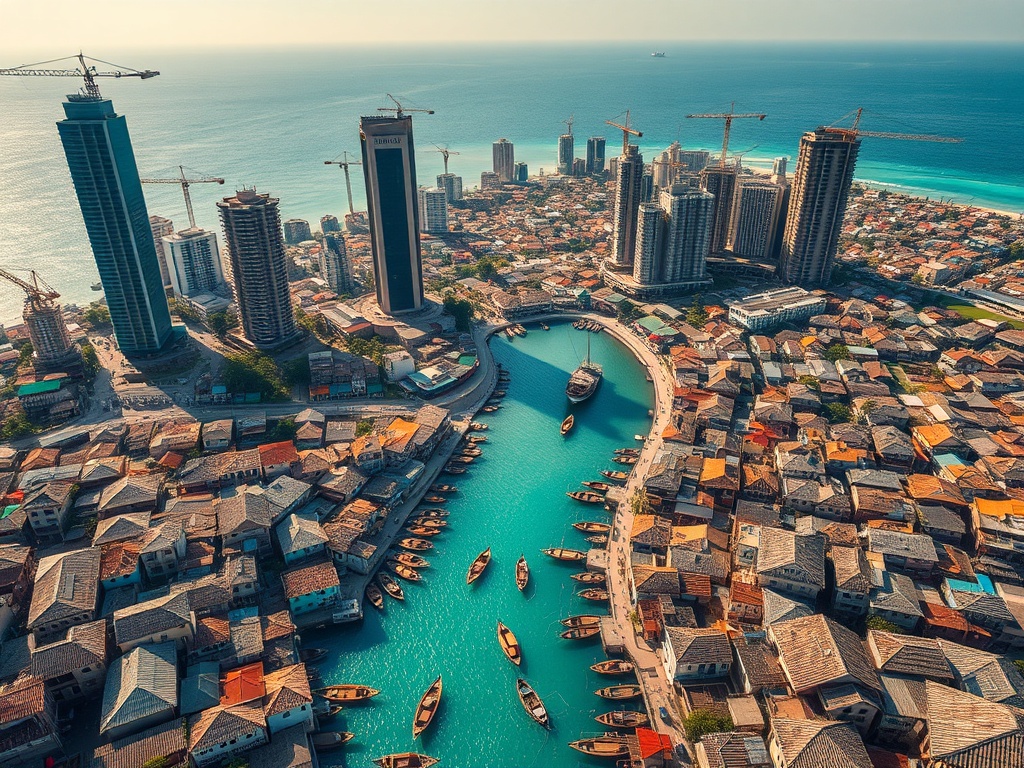
Where Campaign Promises End and Empty Land Plots Begin
In the cramped islands of the Maldives, where space is both precious and political, housing schemes have become the nation's most potent electoral currency. What began as solutions to genuine overcrowding in Malé has transformed into a cycle of promise and disappointment that cuts across party lines.
The current debate centers on who truly benefits from these programs. Critics point to a pattern where well-connected individuals—those with existing property portfolios or political affiliations—repeatedly secure allocations while thousands remain in limbo. The system appears designed to reward loyalty rather than need, creating a class of perpetual beneficiaries while leaving the most vulnerable further behind.
This isn't merely about housing scarcity; it's about the fundamental relationship between citizens and their government. When land distribution becomes transactional rather than needs-based, it erodes public trust in institutions meant to serve all Maldivians equally. The conversation has shifted from technical solutions to moral questions about fairness and accountability.
Observers note how housing initiatives often follow electoral cycles, with ambitious announcements preceding votes followed by implementation delays and eligibility controversies. The result is a population increasingly cynical about political motives, viewing each new scheme through the lens of past disappointments.
The emotional intensity surrounding these discussions reflects deeper anxieties about social mobility and economic justice. For families struggling in crowded conditions, the allocation process represents more than just property—it symbolizes their place in the national narrative and whether the system works for people like them.
As the debate continues, what emerges is a consensus that housing policy must transcend partisan politics. The challenge isn't just building more units but creating transparent, equitable systems that prioritize those most in need. Until then, the land game will continue to shape not just skylines but the very fabric of Maldivian democracy.
— Source fragments: Multiple tweets discussing Binveriyaa scheme, land allocation beneficiaries, political connections in housing, and patterns of systemic advantage