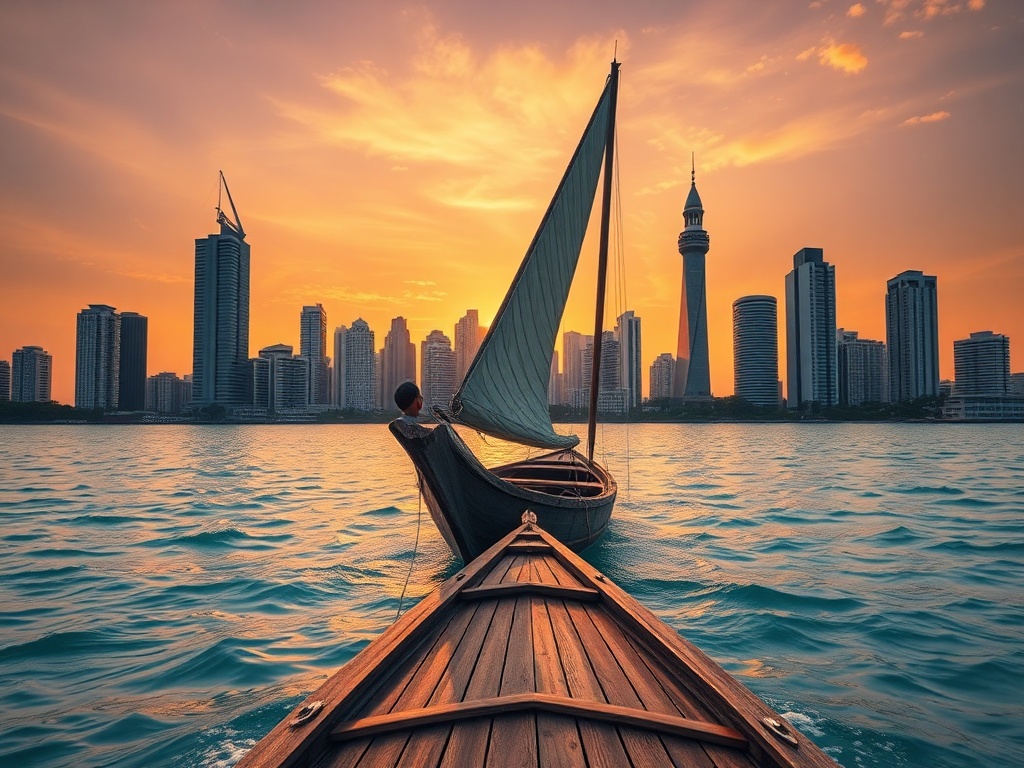
Where Citizenship and Faith Share a Single Line
The conversation echoes across the atolls, carried on digital currents between islands—a debate about what it means to belong, to believe, and to be Maldivian. In a nation where citizenship and Islam are legally inseparable, these discussions touch the very foundations of identity.
Critics point to the citizenship law that excludes non-Muslims as discriminatory, arguing that true democracy should accommodate diverse beliefs. Yet defenders see this policy as essential protection for the nation's religious character, arguing that in a world of rapid globalization, some boundaries must remain firm.
The debate extends to questions of interpretation and practice. Some express concern about creeping secular influences, warning that social media trends are leading youth away from traditional beliefs. They see atheism and casual faith as products of digital distraction rather than genuine conviction. Others counter that religious understanding must evolve, suggesting that certain interpretations of modesty requirements can feel restrictive rather than protective.
This tension between tradition and modernity manifests in discussions about punishment and justice. Some advocate for traditional Islamic penalties administered publicly as deterrents, while others question whether such practices align with contemporary understandings of human dignity and rehabilitation.
Beneath these theological debates lies a more practical anxiety—the fear of being misled after finding guidance. Many recall their forefathers' practices that later generations deemed incorrect, creating uncertainty about which traditions to preserve and which to reconsider.
The conversation reflects a society grappling with its place in a connected world. As one of the world's most geographically dispersed nations, the Maldives has always navigated between isolation and engagement. Today, that navigation occurs not just between islands but between worldviews, with Maldivians seeking to balance their Islamic heritage with the demands of global citizenship.
What emerges is neither simple polarization nor uniform consensus, but rather a complex tapestry of faith seeking understanding in changing times. The discussion continues—not as abstract theology but as lived experience in a nation where the call to prayer still echoes across turquoise waters, even as digital voices bring new questions to shore.
— Source fragments: Debates about citizenship for non-Muslims, concerns about social media influencing religious beliefs, discussions about Islamic punishment practices, tension between Quranic interpretation and scientific theories, reflections on religious freedom in a democratic context