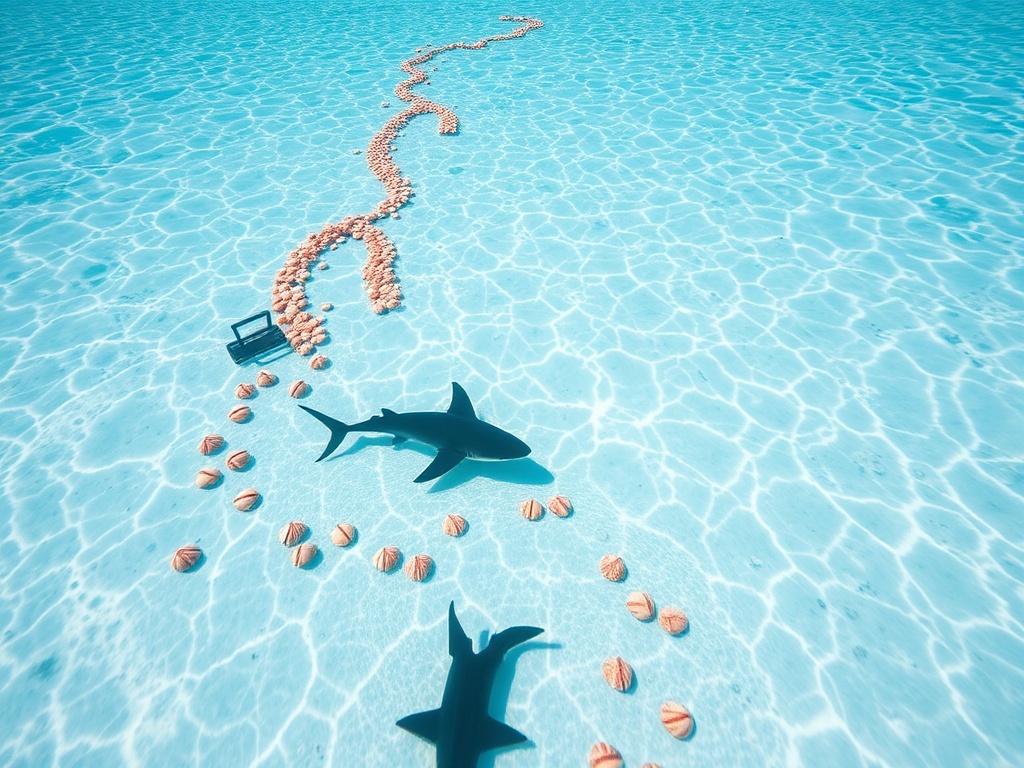
Where Cowrie Shells Meet Shark Politics
The highest seats in the realm have always been precarious. Across Maldivian history, power has shifted like the monsoon currents—from the cowrie shell traders who built fortunes on oceanic commerce to the modern political class navigating the treacherous waters of governance. Our forefathers grew rich from shells and lived contented lives, but contentment is a fragile currency in today's political climate.
Pride and perspective remain central to the Maldivian condition. "Proud men don't like having to look up," observes one political commentator, capturing the tension between established authority and rising ambition. This dynamic plays out daily in the Majlis, where government and opposition figures—some in top positions, others waiting in the wings—engage in the theater of national direction.
Beneath the political surface runs a deeper current of identity. Genetic memory whispers that we share 95-98% of our DNA with South Asians, that our ancestors likely came from India or Sri Lanka some 2,500 years ago. This biological inheritance coexists uneasily with the modern Maldivian quest for distinct national identity amid regional geopolitics.
Meanwhile, in the collective imagination, strength is sought in unexpected places. Social media buzzes with unconventional wisdom about shark DNA and muscle having "power to uplift the sleeping men." The recommendation comes with practical additions: "Add some spinach, tomatoes, avocado, chili peppers and carrots. This will add the strength." Whether literal or metaphorical, the search for vitality reflects a society grappling with how to awaken its potential.
The discontented find their rumors nourishing, while those outside conventional networks are told, "You care that's why you're out of the net." It's a telling observation about political engagement—or the lack thereof—in a nation where governance often feels distant from daily life.
From the export economy of cowrie shells to today's tourism-dependent model, the Maldivian relationship with the ocean remains fundamental. The shark—both literal creature and symbolic presence—represents both danger and power, the untamed element that surrounds these islands and defines their existence.
As anniversary campaigns mark the passage of time and political alliances shift, the fundamental questions endure: Who are we as a people? Where do we draw strength? And how do proud men learn to see eye to eye in a nation where looking up or down has always carried such weight?
The answers may lie not in any single political platform or nutritional supplement, but in the gradual awakening of national consciousness—a recognition that our shared heritage, our common challenges, and our collective future are more binding than any temporary seat of power.
— Source fragments: "Proud men don't like having to look up." "once upon a time we made a living exporting cowrie shells our forefathers became rich due to the shells and lived a happy contented lives." "some are in top govt positions. others are in opposition." "i don't know about sri lankans specifically but the majority of us do share 95-98% dna with south asians so it was either india or sri lanka, a good 2500 years ago." "shark DNA and muscle have power to uplift the sleeping men." "To the discontented, rumors are feed." "You care that's why you're out of the net."