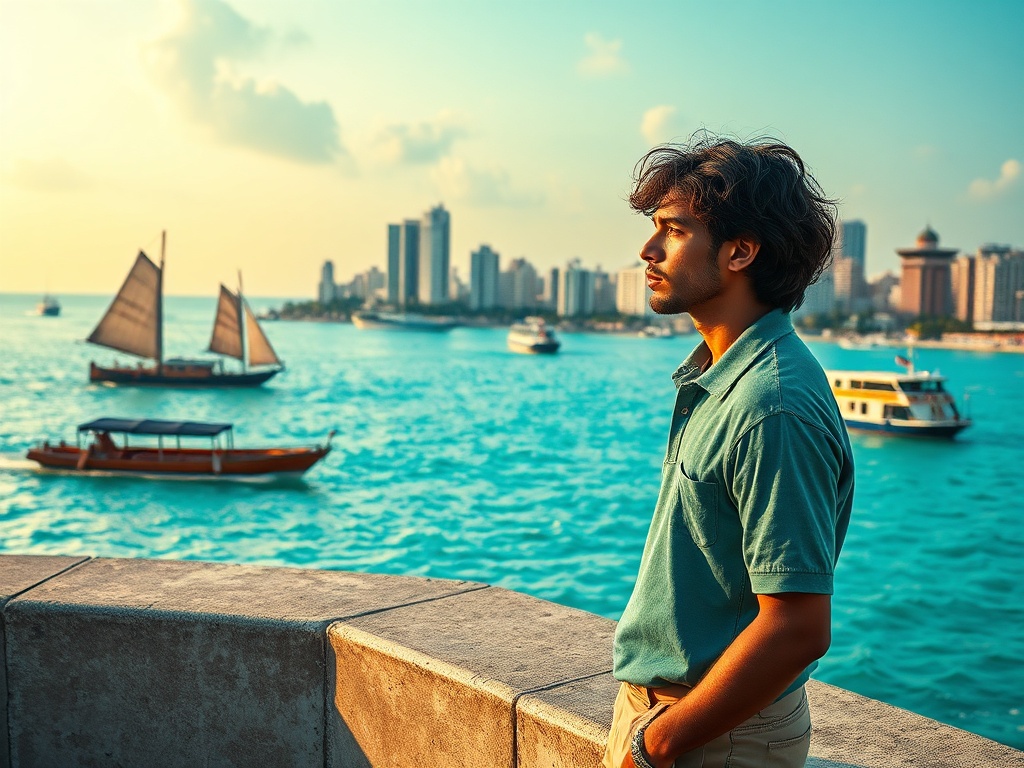
Where Dhoni Boats Meet Modern Ships: A Maldivian's Search
In the scattered archipelago that forms the Maldives, questions of identity have always been as complex as the coral formations beneath its waters. Yet in recent years, these questions have taken on new urgency, revealing deep-seated anxieties about cultural preservation, foreign influence, and the very definition of what it means to be Maldivian.
At the heart of this conversation lies a fundamental tension: how does a nation preserve its cultural and moral fabric while engaging with a globalized world? The concern that sending young people abroad for education might compromise their values speaks to broader worries about cultural erosion. Parents across the islands grapple with this dilemma—the promise of world-class education weighed against fears of losing the very essence that makes their children Maldivian.
Simultaneously, there's a growing pushback against external narratives defining Maldivian origins. The assertion that 'we were always here' reflects a desire for self-determination in historical storytelling. This isn't merely academic—it's about claiming ownership of one's narrative in a world where colonial and regional powers have long dictated historical frameworks. The question of why Pacific islanders are recognized as indigenous while Maldivians face different categorization touches on deeper issues of recognition and sovereignty.
These identity debates often manifest in daily life through cultural practices like food consumption. The observation about different eating traditions reveals how even mundane activities become sites of cultural negotiation. In a nation where tourism brings constant cross-cultural encounters, these small moments accumulate into larger questions about cultural authenticity and adaptation.
What emerges is a portrait of a society in transition—one that is confident in its Islamic identity yet uncertain about how to navigate global influences. The Maldives stands at a crossroads, where the pull of tradition meets the push of modernity. Young Maldivians today must forge identities that honor their heritage while embracing the opportunities of a connected world.
The challenge isn't about rejecting foreign influence entirely or clinging rigidly to tradition. Rather, it's about developing the cultural confidence to engage with the world on Maldivian terms—to borrow and adapt without losing sight of what makes the nation unique. This requires moving beyond binary thinking about cultural purity versus corruption and toward a more nuanced understanding of cultural evolution.
As the Maldives continues to develop its place in the global community, these conversations about identity will only grow more important. They represent not just philosophical debates but practical considerations about education policy, cultural preservation, and national self-image. The answers will shape not only how Maldivians see themselves, but how the world sees this island nation navigating the complex currents of the 21st century.
— Source fragments: When you send your kids to foreign countries for higher studies they come back with damaged morals; The correct answer is we were always here; Why are they considered native aboriginal people while we are supposedly Indian; Your culture doesn't have to be the general norm for the rest of the world