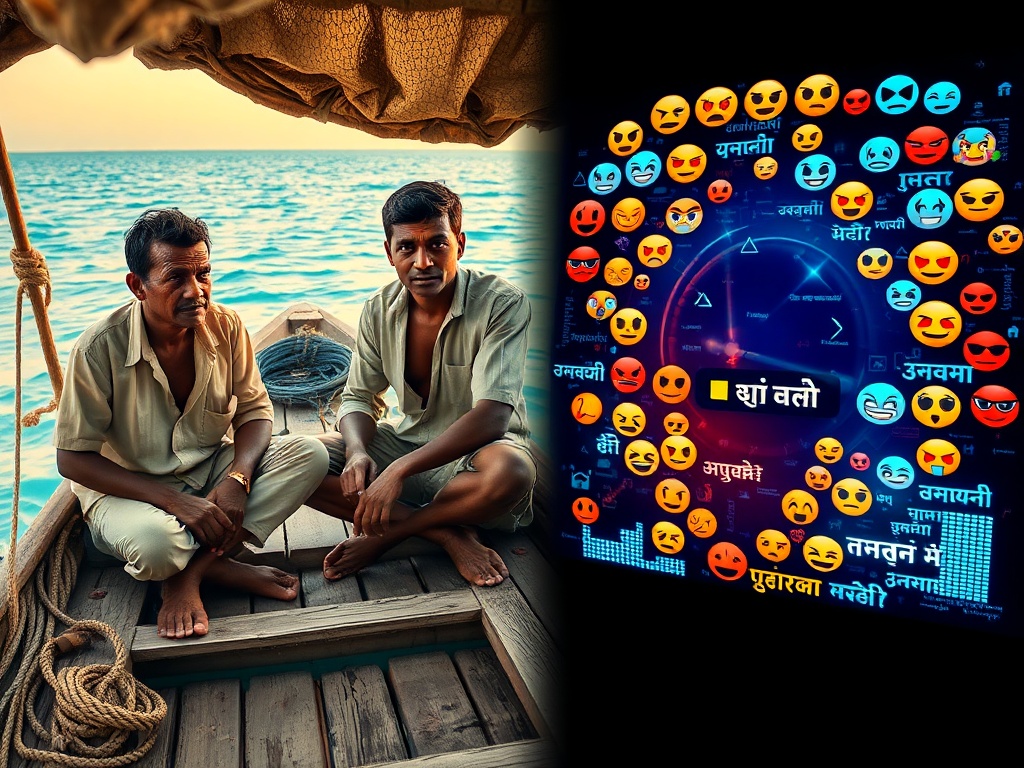
Where Emojis Drown Out Maldivian Fishermen's Voices
In the digital archipelago that mirrors our physical one, a new landscape of communication has emerged—one where thoughtful exchange often drowns beneath waves of performative outrage. The observation that "overuse of emojis is telling" speaks volumes about how substance has been replaced by signaling in our online discourse.
Across Maldivian social media platforms, conversations that should address pressing national concerns—from the housing crisis in Malé to youth unemployment—devolve into personal attacks and identity politics. The accusation to "stop pretending to be a woman" reflects not just individual prejudice but a broader pattern where complex issues of identity become weapons in cultural battles, distracting from systemic problems.
This tribalism extends beyond personal identity to geographic and political divisions. As one voice noted, many "don't know the difference between the capital city and the rest," highlighting how urban-rural divides manifest in online spaces. The concentration of resources and attention on Malé often comes at the expense of understanding the distinct challenges facing atoll communities—from healthcare access to economic opportunities.
The casual acceptance of prejudice, whether through antisemitic remarks or other forms of discrimination, points to a normalization of intolerance that undermines social cohesion. When such sentiments go unchallenged or are dismissed as mere online banter, they gradually reshape public norms and erode the mutual respect necessary for a functioning society.
Meanwhile, the derision directed at "consolation prizes" reflects a deeper cynicism about political solutions and governance. In a nation grappling with corruption allegations and inefficient public institutions, this skepticism isn't entirely unfounded. Yet when it manifests as blanket dismissal of all political processes, it creates a vacuum where constructive criticism gives way to nihilism.
The fundamental challenge lies in rebuilding digital spaces as venues for substantive dialogue rather than performative conflict. As Maldivians navigate economic pressures, housing shortages, and governance challenges, the quality of our public conversation matters more than ever. The digital town square should amplify diverse perspectives rather than reducing complex issues to tribal loyalties or personal attacks.
Moving forward requires recognizing that the medium shapes the message. The same platforms that enable unprecedented connection also incentivize outrage over understanding. Bridging these divides means consciously elevating substance over symbolism, whether in discussions about national debt, foreign relations, or social issues. The future of Maldivian democracy may depend on our ability to have difficult conversations without descending into the digital tribalism that currently defines so much of our online discourse.
— Source fragments: The overuse of emojis is telling; Brother stop pretending to be a woman. You are being transgender; This is exactly why I try to stay out of this stupidity. Most of you don't know the difference between the capital city and the rest. You ignore the obvious and focus on tribalism; Just say you're an antisemite dude, it's okay, people love being racist these days; The consolation prize seems a bit deranged