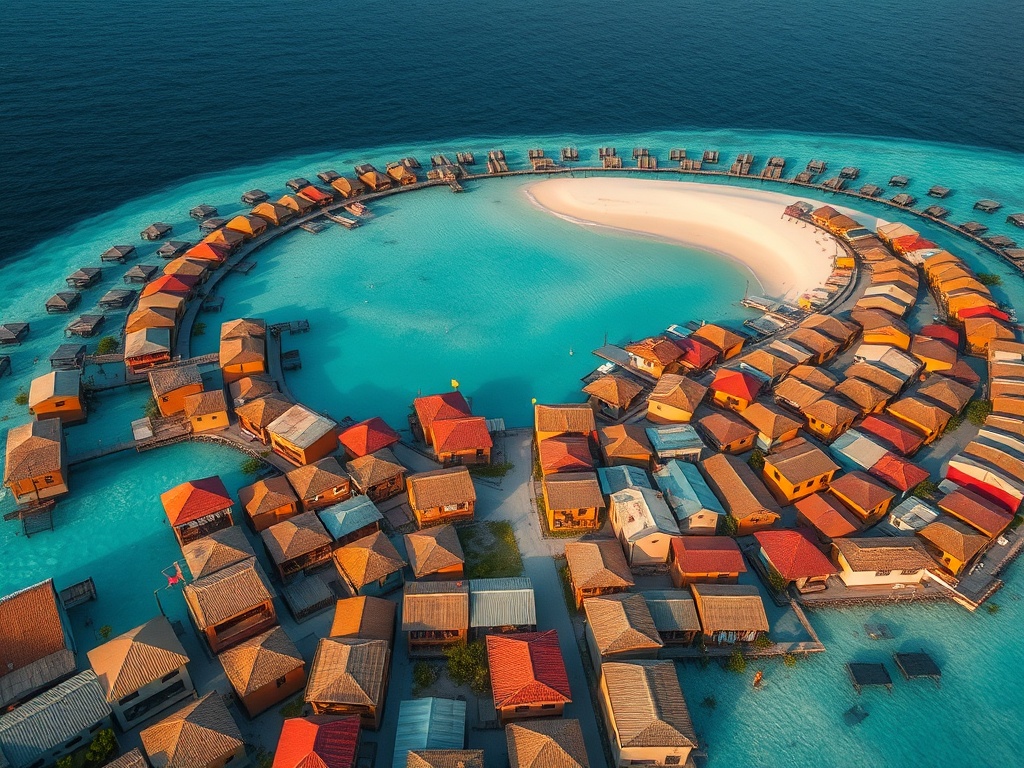
Where Local Councils Pass from Father to Son
In the scattered islands of the Maldives, where turquoise waters meet white sandy shores, another reality persists beneath the surface—one where political influence often follows bloodlines rather than ballot boxes. Across many atolls, local governance and parliamentary representation remain dominated by established family networks that have held sway for generations.
This pattern of dynastic politics creates a self-perpetuating cycle where council seats and parliamentary positions frequently remain within the same influential circles. During election seasons, these power structures become particularly visible, as family alliances and longstanding island hierarchies determine who appears on ballots and ultimately represents communities in Malé.
The consequences ripple through development priorities and resource allocation. When political access depends on family connections rather than merit or community needs, development projects can become skewed toward maintaining existing power structures rather than serving broader public interests. This system leaves little room for new voices or alternative perspectives to emerge in local governance.
Recent political discourse reflects growing frustration with this status quo. The search for political alternatives often becomes mired in disappointment, as voters navigate between established political machines and individual candidates whose reliability remains questionable. The phenomenon of 'savior shopping'—the desperate hope for a political figure who can break these patterns—reveals the depth of public disillusionment with current systems.
The challenge lies in creating political pathways that transcend family loyalties and personal connections. Without structural reforms that ensure genuine political competition and merit-based advancement, the same patterns are likely to persist regardless of which party holds power in the capital. The real test for Maldivian democracy isn't just who wins elections, but whether the system itself can evolve to become more inclusive and responsive to all citizens, not just those with the right family names or political connections.
As the country continues to develop economically and socially, the tension between traditional power structures and modern democratic ideals becomes increasingly apparent. The question facing Maldivian society is whether it can build political institutions strong enough to withstand the pull of familial and personal loyalties, creating a system where talent and vision matter more than lineage and connections.
— Source fragments: In most, if not all islands… the islands are controlled by one or two big families! Come election time… The same power holding families in an island controls who gets chosen for the council & MPs too; Former vice president visiting his island shall not be news. This just shows our people are desperate for a savior. Looks like we have a savior shopping syndrome; This is an election I’m not looking forward to. Neither of these Azims are trustworthy