Where Maldivian Justice Is Measured in Months, Not Verdicts
In the cramped cells of Malé's detention facilities, time moves differently. For those held in what locals call 'vaanuvaa'—remand detention without trial—days blur into weeks, months stretch into years, and justice remains perpetually out of reach. This system of indefinite pretrial detention has become the subject of intense public debate, with critics arguing it represents a fundamental failure of Maldives' justice system.
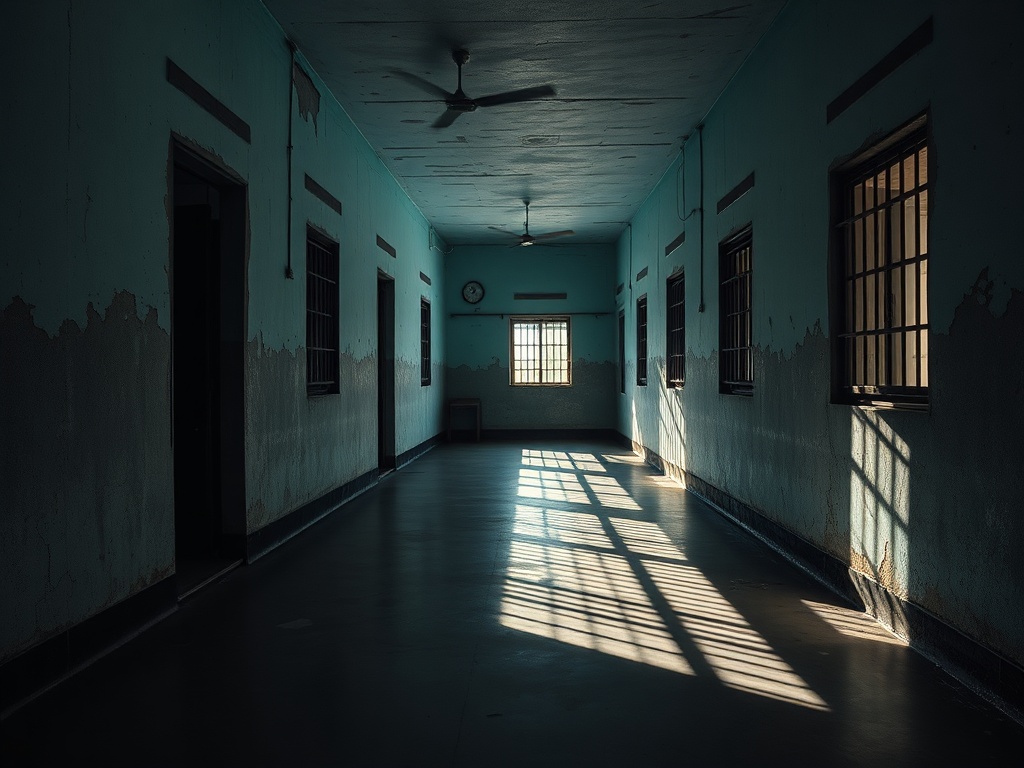
The controversy touches on multiple dimensions of justice. There's the case of the young girl facing prosecution for a minor infraction, where critics question the proportionality of the state's response. Then there are the prisoners held for six months or more without their day in court, confined in conditions described as inhumane—overcrowded cells with water leaks, inadequate yard time, and multiple rights deprived.
What makes the situation particularly troubling is the apparent selectivity in its application. While some face harsh treatment for minor offenses, others accused of serious crimes—including those connected to significant historical events—walk free. This disparity fuels public skepticism about whether the system administers justice or merely serves political interests.
At the heart of the debate lies a tension between public safety and individual rights. Some argue that releasing offenders without proper accountability risks repeating crimes, while others counter that indefinite detention without trial constitutes its own form of injustice. The solution, many suggest, isn't simply ending vaanuvaa but creating a system that ensures fair trials, transparency, and timely justice.
The conditions within these facilities compound the problem. Accounts from those who have spent time with inmates describe environments where human dignity is routinely compromised. Water leaks, overcrowding, and limited access to basic amenities create circumstances that many argue violate fundamental human rights regardless of the charges faced.
This system affects not just the accused but their families—fathers, mothers, sons, and daughters whose lives are put on hold indefinitely. The emotional and economic toll ripples through communities, creating cycles of disadvantage that extend far beyond the prison walls.
As the hashtag #EndVaanuvaa gains traction, it represents more than just a call to reform detention practices. It's a demand for a justice system that balances accountability with humanity, that treats all citizens equally regardless of their connections or circumstances, and that remembers that the purpose of justice is not merely to punish but to create a safer, fairer society for all.
— Source fragments: Multiple tweets discussing vaanuvaa, indefinite detention without trial, disproportionate prosecution of minor offenses, prison conditions, and selective justice application