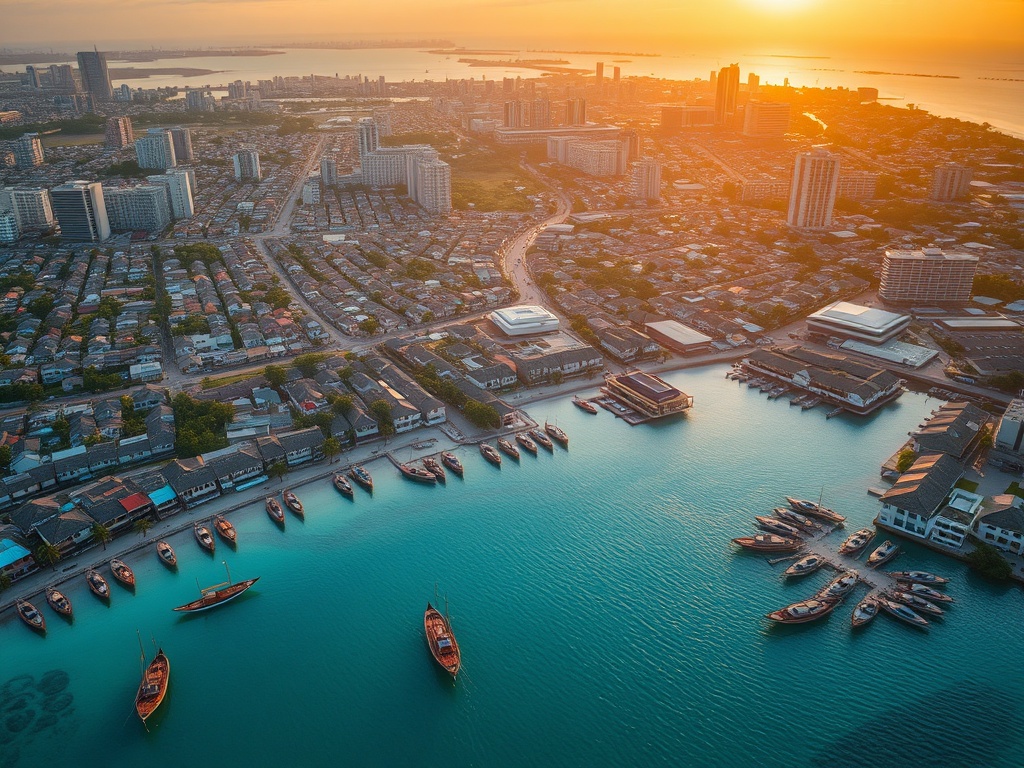
Where Maldivian Land Is Both Crowded and Empty
In the scattered archipelago of the Maldives, where land is both abundant and scarce depending on location, a fundamental question persists: how should we define and allocate this most precious resource? The debate goes beyond mere property rights—it touches on identity, memory, and the very definition of home.
The core principle seems straightforward: a person or family can only inhabit one primary residence at any given time. Yet across the islands, valuable land remains underutilized—held through inheritance, wealth, or simply historical circumstance. Over a thousand uninhabited islands dot the archipelago, while even populated islands contain vast, unused areas. This paradox of abundance amidst scarcity raises critical policy questions about optimal land distribution.
The discussion becomes particularly poignant when considering lands tied to memory and legacy. The question of cemetery land in Malé exemplifies this tension. While respecting the dead remains culturally paramount, some argue that perpetual land allocation for graves may not serve the living effectively. The earth naturally reclaims all remains, and throughout history, civilizations have respectfully relocated burial sites to accommodate urban growth. The challenge lies in balancing reverence for the past with pragmatic planning for the future.
Recent controversies surrounding specific land agreements highlight the complexity of land governance. Questions about leaseholders, contractual terms, and revenue streams reveal a system where transparency often lags behind transaction volume. When marine research outposts become subjects of political scrutiny, and housing agreements undergo complex novations, public trust erodes.
The solution may lie in a comprehensive land policy that acknowledges both practical needs and cultural values. Rather than freezing land in perpetuity for singular purposes, we might develop frameworks for adaptive reuse—creating spaces where the living can thrive while honoring memory through memorialization rather than immovable allocation. This approach would require clear definitions of primary residence, transparent leasing systems, and community-centered planning that considers both current needs and future generations.
As the Maldives continues its development journey, the land beneath our feet remains our most tangible connection to both past and future. How we choose to steward it—balancing utility with reverence, individual rights with collective benefit—will define not just our landscapes, but our legacy as a nation.
— Source fragments: defining primary residence; unused land allocation; cemetery land usage debate; land lease agreements and transparency