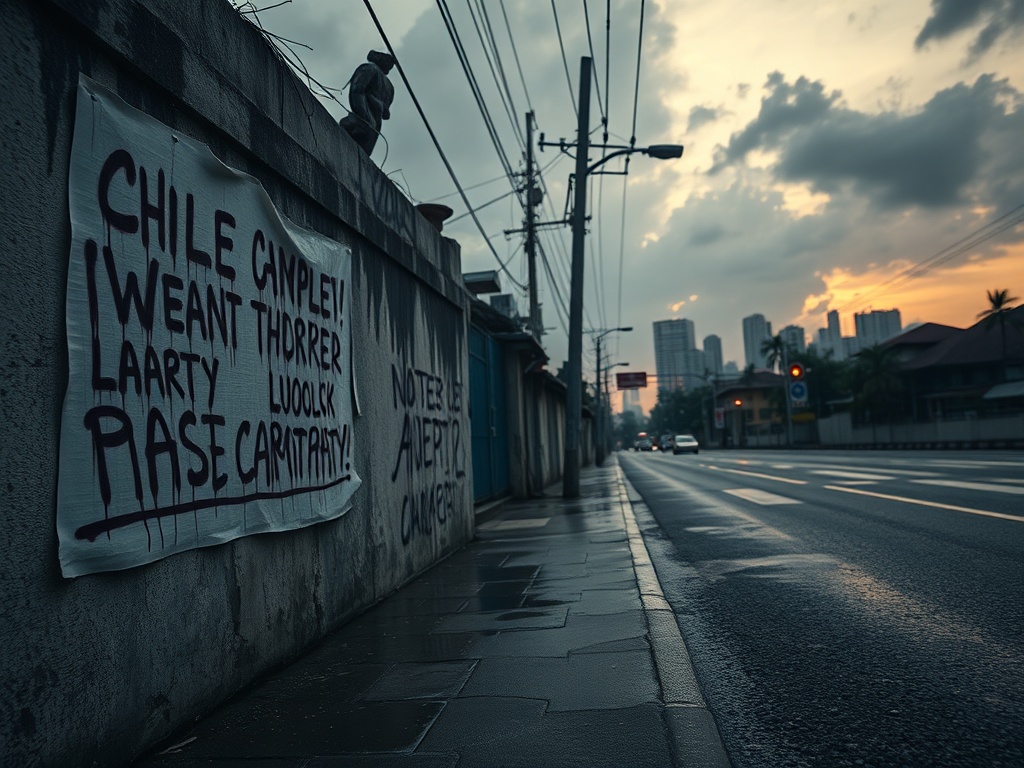
Where Maldivian Political Posters Get Torn Before Elections
In the digital forums where Maldivian political discourse increasingly unfolds, a disturbing trend has taken root. What should be platforms for substantive debate about governance, economic policy, and social development have instead become arenas for personal attacks and unverified allegations that undermine the very foundations of democratic engagement.
The recent emergence of vicious personal attacks against political figures—complete with dehumanizing labels and serious criminal allegations without evidence—reflects a broader degradation of political culture. When discourse devolves into name-calling and unsubstantiated insinuations, the public loses the ability to distinguish between legitimate criticism and character assassination.
This phenomenon is particularly concerning in a nation where political tensions already run high. With ongoing debates about foreign relations, economic management, and governance reforms, the substance of these critical discussions becomes obscured by personal vendettas and inflammatory rhetoric. The transformation of political opponents into caricatures—'toadies,' 'wannabe kingmakers,' or worse—creates an environment where policy differences become personal wars.
What's lost in this toxic environment is accountability—both for those making allegations and for those in positions of power. Serious claims require serious evidence and proper channels for investigation. When serious allegations are tossed into public discourse without due process, they not only damage individuals but erode public trust in legitimate accountability mechanisms.
The Maldivian political landscape faces genuine challenges: economic pressures, governance questions, and social development needs that require thoughtful debate. Yet these substantive issues risk being drowned out by the noise of personal attacks. The resort to labeling and character assassination suggests a failure of substantive argument—when one cannot win on policy merits, the temptation becomes to destroy the opponent's character.
This degradation of discourse has real consequences for democracy. It discourages qualified individuals from entering public service, polarizes the electorate, and normalizes behavior that would be unacceptable in any other professional context. As Maldives continues to develop its democratic institutions, the quality of political conversation must evolve alongside them.
There remains space for vigorous criticism and holding power to account, but this must be grounded in facts, evidence, and respect for basic human dignity. The alternative—the path of unsubstantiated allegations and personal destruction—serves neither democracy nor the Maldivian people.
— Source fragments: Personal attacks and allegations from online discourse, though specific unverified claims were omitted for ethical reasons