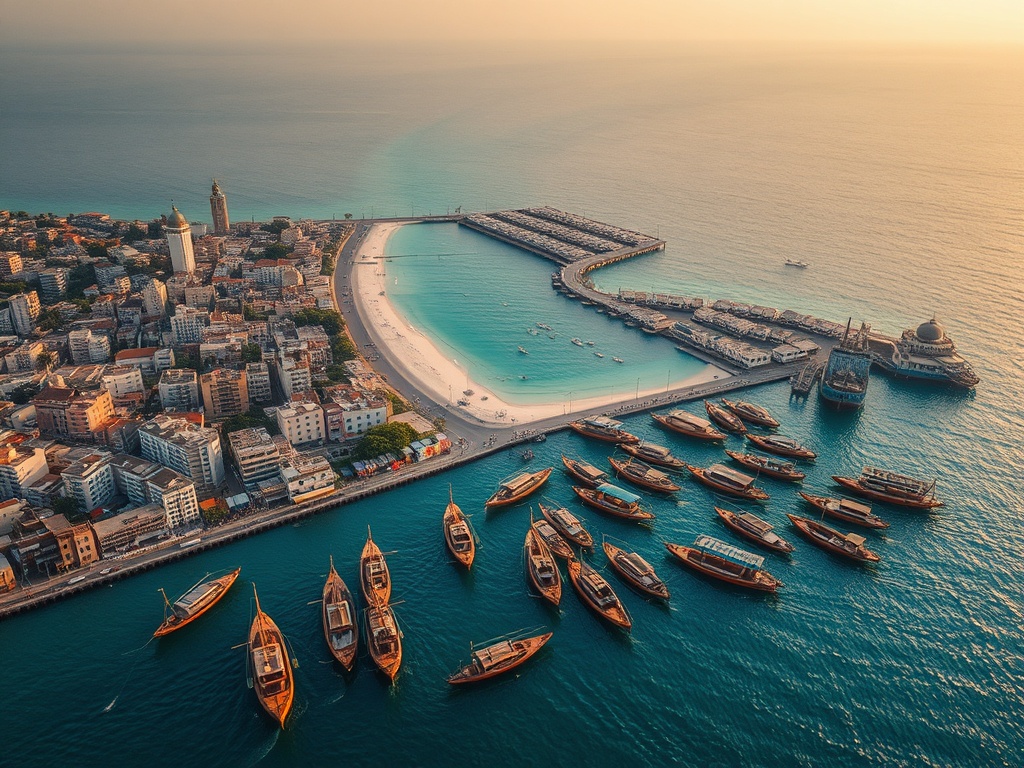
Where Male' Ends and the Rest of Maldives Begins
The debate over Male's identity has reached a critical juncture. What began as a capital city has transformed into a congested urban center where the original character of Male' has been lost amid relentless development. Critics argue that the "very-cumming" of Male'—the continuous concentration of government functions and population—represents a fundamental planning failure by the city's elites.
This centralization debate goes beyond mere urban planning. It touches on core questions of national identity, resource distribution, and quality of life. The current model forces migration to the capital for essential services, creating what one observer describes as "congested unhealthy living" that denies citizens "dignified healthy living space."
The sustainability question looms large. Maintaining basic infrastructure across 200 communities represents an enormous recurrent cost that strains national resources. Every island requires fundamental services, yet the centralized model drains both financial resources and human potential from the atolls.
Technology offers alternatives. A decentralized system is technically feasible—the barrier isn't capability but political will. The current centralized structure creates dependency on capital-based institutions, particularly the banking system, which benefits from the concentration of economic activity.
The Hulhumale development exemplifies these tensions. Created as a relief valve for Male's congestion, it now faces criticism for its governance structure. Residents argue that development corporations like HDC operate without democratic accountability, unlike traditional island councils. If smaller islands like Hulhudhoo can elect their own councils, why should Hulhumale's growing population lack similar self-determination?
The permanent address system controversy highlights how administrative measures often reinforce centralization rather than addressing root causes. Simply abolishing permanent addresses without creating viable alternatives elsewhere merely shuffles population pressure rather than resolving it.
What emerges from this conversation is a vision of dual development centers—perhaps with the capital relocated to Laamu as once proposed—that could spur regional growth and reduce the overwhelming pressure on Greater Male'. The space between development hubs could see rapid transformation, creating new economic opportunities and living options.
The fundamental question remains: do Maldivians want a nation centered around one increasingly congested urban area, or a federation of thriving communities connected by modern infrastructure and shared prosperity? The answer will determine not just the future of Male', but of the entire Maldives.
— Source fragments: Male' identity loss, capital relocation debate, unsustainable costs of maintaining 200 communities, centralized government services forcing migration, Hulhumale governance concerns, decentralization advocacy