Where Mangrove Roots Once Held Back the Sea
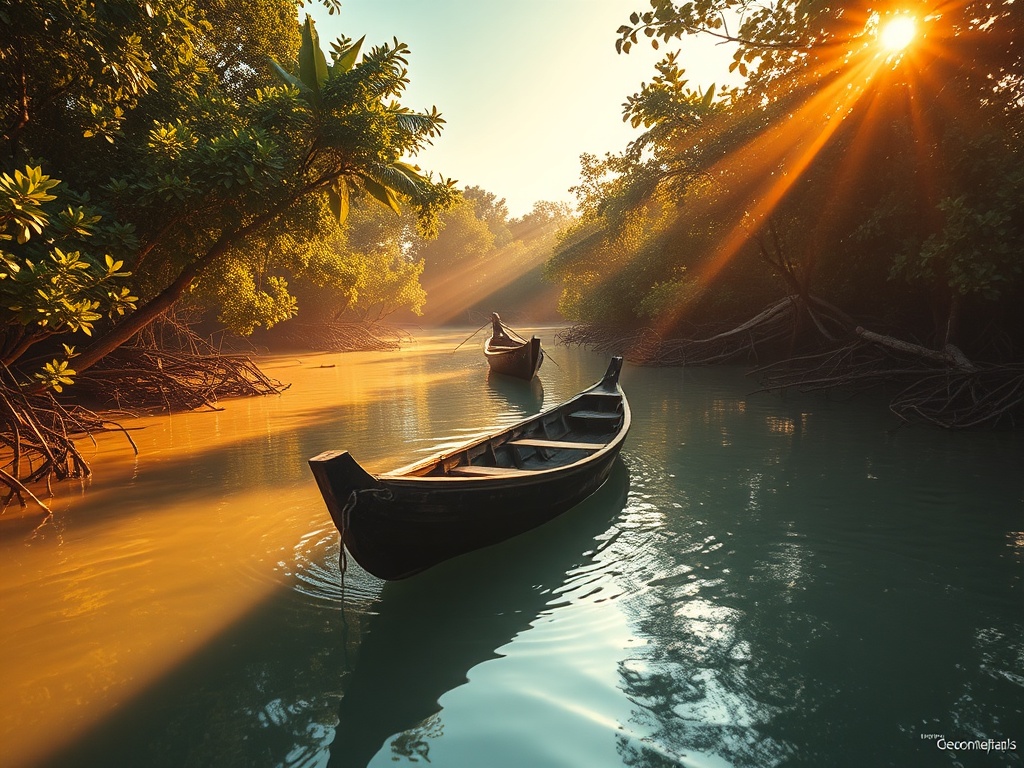
The canoe glides silently through the narrow channel, water dripping from the paddle in rhythmic drops that echo in the mangrove cathedral. This journey from Baravela Muli to Moolekede Fishimathi feels different today—heavier, more significant. It's probably the last time these waters will look like this, the last time the tangled roots will form this particular pattern against the sky.
Across the archipelago, from Addu's Hithadhoo Fishimathi to Fuvahmulah's southeastern shore, the same story unfolds. Mangroves—living nurseries for fish, crabs, and shrimp—are being framed as vacant land awaiting development. Coconut palms centuries old are falling to make way for roads that mimic Malé's concrete sprawl. The justification often comes wrapped in the language of progress and innovation, but residents watching the destruction recognize something simpler at work: the replacement of natural protection for what many call 'tharahghee'—the relentless pursuit of concrete development.
These ecosystems represent more than just scenery. They are the Maldives' first line of defense against storms, the cradle of fisheries that feed communities, the natural filtration systems that keep island waters clean. Their destruction represents what critics see as a fundamental misunderstanding of what makes these islands habitable. The debate has shifted from whether development should occur to what kind of development truly serves island communities in an era of rising seas and intensifying storms.
The tension between preservation and progress manifests in petition after petition, in the concerns raised by more than a hundred NGOs, in the quiet desperation of residents who find themselves powerless against approved destruction. The framing of mangrove reclamation as introducing a new innovative industry clashes with the reality that these are systems that took centuries to mature, that cannot be replaced once lost.
On the water, the canoe moves through spaces that have witnessed generations of island life. The mangroves have sheltered fishermen during sudden squalls, provided spawning grounds for reef fish, and stabilized shorelines against erosion. Their value extends beyond immediate economic calculation—they represent a form of natural infrastructure that has sustained Maldivian life for centuries.
As the paddle dips again into the dark water, the journey becomes more than transportation between points. It becomes a documentation of what exists now but may not tomorrow. The destruction of mangroves for roads when existing routes could be upgraded strikes many as particularly short-sighted—the sacrifice of irreplaceable natural capital for temporary convenience.
The real innovation, observers suggest, would be developing models of progress that work with rather than against the natural systems that make these islands viable. As sea levels rise and storms intensify, the protection offered by healthy coastal ecosystems becomes not just desirable but essential. The debate now centers on whether the Maldives can find a development path that honors both the need for economic opportunity and the ecological realities of island life.
The canoe reaches its destination, but the journey lingers in memory—the particular way light filters through mangrove leaves, the sound of water lapping against prop roots, the knowledge that these experiences are becoming rarer across the archipelago. What remains is the question of what will be left for future generations when the natural protections are gone, and whether the pursuit of concrete will ultimately leave islands more vulnerable to the very elements they sought to conquer.
— Source fragments: Canoeing from #BaravelaMuli to #MoolekedeFishimathi, probably last time; EPA approved to destroy mangroves; Hithadhoo Fishimathi Sarahadhah enme fahun dhevun dhuvas; Mangrove as living nursery for fish, crabs, shrimp; Fuvahmulah cutting coconut palms for road; Destroying natural protection for 'tharahghee'; Species that live for centuries take decades to mature