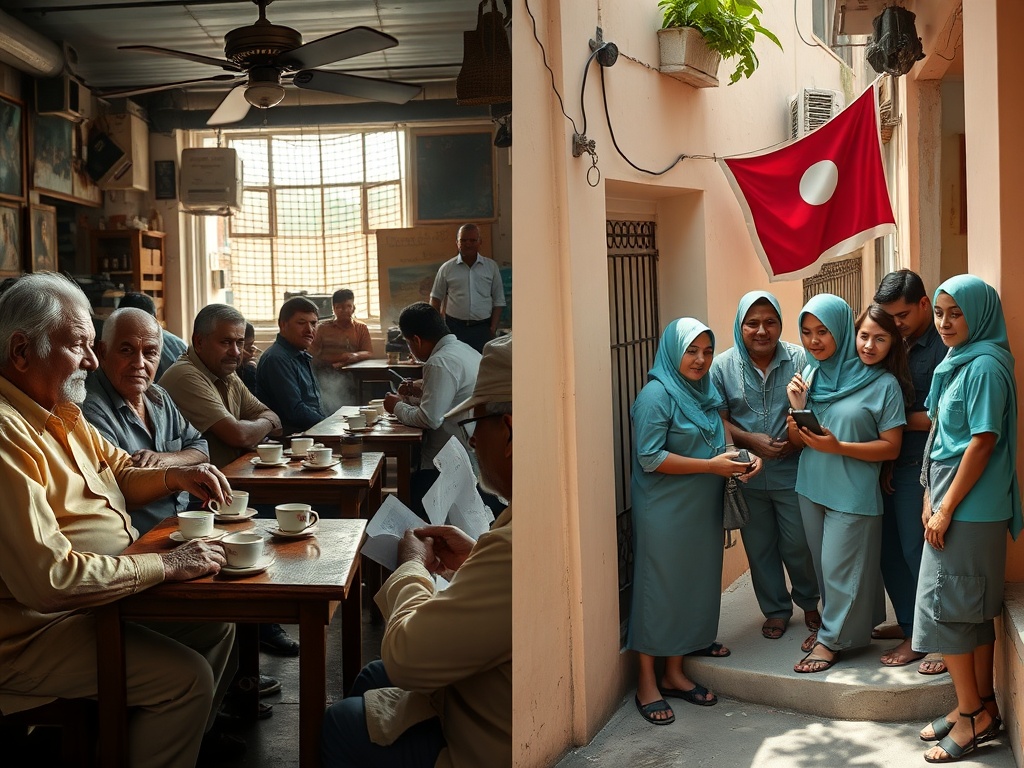
Where Maumoon's Legacy Meets Malé's Youth in Coffee Shops
In the swirling currents of Maldivian politics, two distinct narratives are colliding—one rooted in historical legacy and another demanding radical change. The echoes of past leadership still resonate powerfully, with some citizens recalling how former presidents like Maumoon Abdul Gayoom transformed a nation once plagued by food scarcity and malnutrition. These memories form a bedrock of political identity for many, creating lasting loyalties that transcend contemporary debates.
Yet simultaneously, a new generation is finding its voice. Young Maldivians are increasingly vocal about calling out what they see as political stagnation and empty promises. Their demands are clear: accountability, transparency, and genuine representation. This isn't mere youthful rebellion—it's a calculated rejection of political dynasties and established power structures that many feel have failed to address pressing issues like youth unemployment, drug abuse, and economic inequality.
The political landscape reflects this tension. While some defend thirty-year tenures as periods of national development, others point to systemic problems that have persisted across administrations—corruption scandals, foreign currency shortages, and a housing crisis that leaves many Maldivians struggling in congested urban centers. The debate isn't merely about individual leaders but about the very structure of governance.
What's emerging is a political consciousness that values authenticity over tradition. Younger voters appear drawn to politicians who reject conventional strategies and maintain clear ideological positions. There's growing appreciation for leaders who build movements through volunteerism rather than patronage, and who address local issues with the same urgency as international affairs.
This generational shift coincides with broader societal concerns about economic stability and national sovereignty. As the cost of living rises and foreign relations become increasingly complex, Maldivians are reevaluating what effective leadership means. The conversation has moved beyond simple partisan loyalty to deeper questions about which political approaches can actually deliver solutions to systemic problems.
The path forward appears to be one of synthesis—honoring genuine achievements of the past while embracing the necessary reforms demanded by the present. As Maldives navigates these competing visions, the political discourse itself is being reshaped, creating space for new voices and potentially, new solutions to old problems.
— Source fragments: Defense of Maumoon's legacy and economic improvements; criticism of political elites; support for younger generations speaking out; appreciation for authentic political approaches; mixed opinions on current political figures