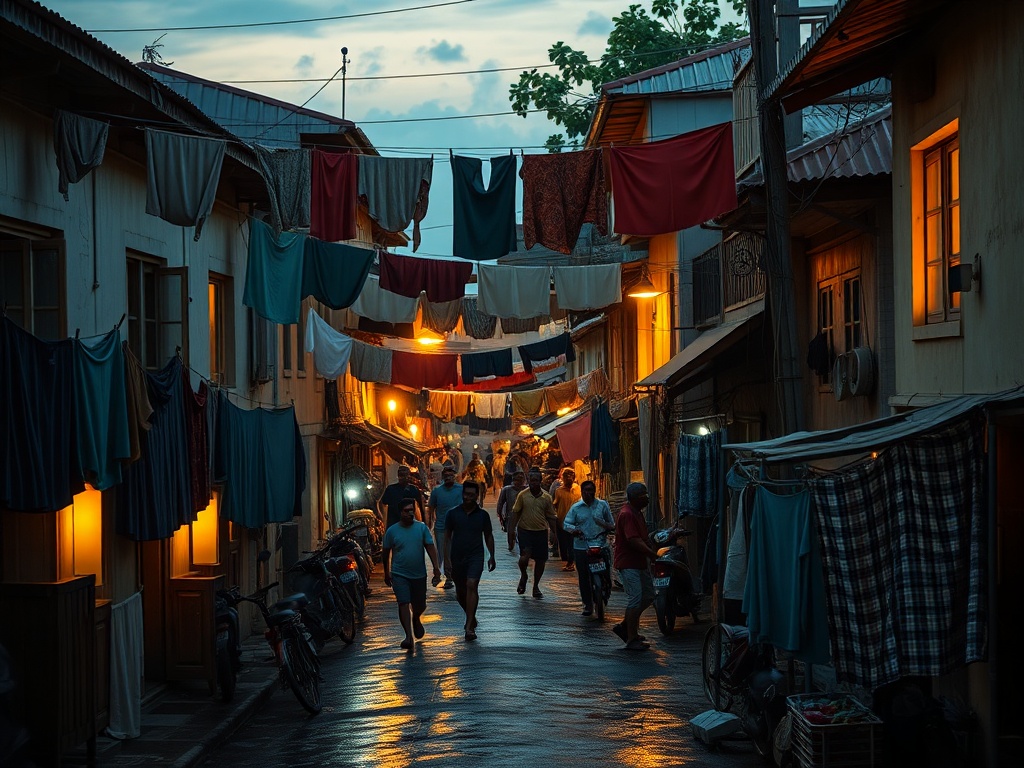
Where Ocean Views Hide the Wait for a Home
In the cramped islands of the Maldives, where ocean views belie the crushing reality of housing shortages, a quiet desperation is taking root. The promise of a home—a basic human need—has become a political football in a game where the rules seem to change daily.
The core of the crisis lies in the numbers: 13,000 people waiting for flats while the system appears to reward those who already have housing benefits. This isn't just about shelter; it's about the erosion of faith in institutions meant to serve the public. When eligibility lists are abandoned, revised, and purged while political pledges of "not altering the list" echo in the background, citizens are left navigating a maze of broken promises.
The psychological toll is becoming increasingly visible. People are getting "mentally sick over this flat issue," as one observer noted, watching neighbors with identical circumstances receive different outcomes from the same system. The arbitrary nature of these decisions creates a sense of powerlessness that extends far beyond housing—it speaks to a broader crisis of governance.
Meanwhile, the theoretical debates about rent control and market solutions feel increasingly disconnected from the lived reality. While economists and policymakers debate enforcement mechanisms and market sustainability, families are making impossible choices between overcrowded living conditions and financial ruin.
The housing ministry's repeated missteps—what critics call "blunders after blunders"—have created a perfect storm of public frustration. Each administrative error, each contradictory policy announcement, each instance of perceived preferential treatment chips away at the social contract.
This isn't merely a policy failure; it's a human crisis unfolding in slow motion. The mental health implications of housing insecurity compound the physical discomfort of overcrowded living spaces. When people cannot plan their futures around something as fundamental as shelter, the very fabric of society begins to fray.
As the waiting lists grow and the promises multiply, the fundamental question remains: How long can a system sustain itself when the people it's meant to serve no longer believe in its basic fairness? The answer may determine not just the future of Maldivian housing, but the health of the nation's social compact itself.
— Source fragments: 13,000 people waiting for flats, Housing Minister quietly handed out flats to people who already received benefits, Ministry doing blunders after blunders, people getting mentally sick over flat issue, inconsistent eligibility decisions