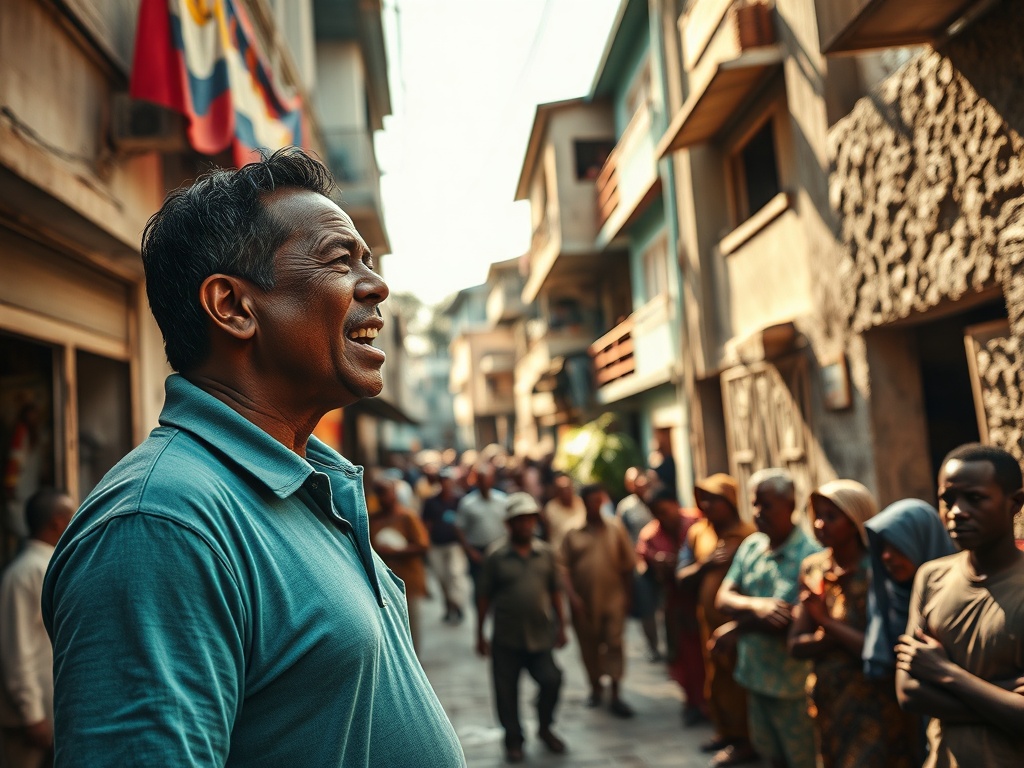
Where Political Rallies Bloom and Public Queues Grow Longer
In the Maldives, a curious paradox defines our political landscape: corruption has become normalized while superficial morality commands public outrage. This inversion of values reveals a society where performance matters more than substance, where political theater serves as both distraction and currency.
The phenomenon is starkly evident in how political careers are built. Rather than pursuing honest work that might be considered beneath their status, many aspiring leaders prefer the shortcut of political appointment—a direct path to influence and resources. This preference is reinforced by social expectations that value position over principle, creating a system where the appearance of power trumps genuine achievement.
This performance extends to public discourse itself. We've developed what might be called an addiction to discussing problems without pursuing solutions. The political arena becomes a stage where grievances are aired, alliances shift with the wind, and today's allies become tomorrow's strangers—all while the underlying issues remain unaddressed. The prize isn't progress but power, and many will broadcast whatever message necessary to rise above the competition.
The classic formula of 'bread and circuses' finds modern expression in Maldivian politics. When citizens are preoccupied with political drama and short-term benefits, they're less likely to demand systemic change. This dynamic allows corruption to flourish behind a facade of moral concern, where minor social transgressions provoke outrage while major institutional failures receive muted response.
What makes this performance particularly effective is how it exploits genuine public anxiety. During difficult times, when people seek stability and support, they're offered political spectacle instead. The real issues—economic pressures, housing shortages, healthcare inadequacies—become background noise to the main event of political maneuvering.
Breaking this cycle requires recognizing that the performance serves a purpose: it maintains the status quo by keeping citizens engaged but not empowered, concerned but not mobilized. The challenge ahead isn't merely to identify problems but to resist the temptation to participate in political theater that offers entertainment in place of solutions.
— Source fragments: Political appointments preferred over honest work, corruption normalized while minor moral issues outrage, addiction to problem discussion without solutions, political alliances shifting for power, bread and circuses as control mechanism