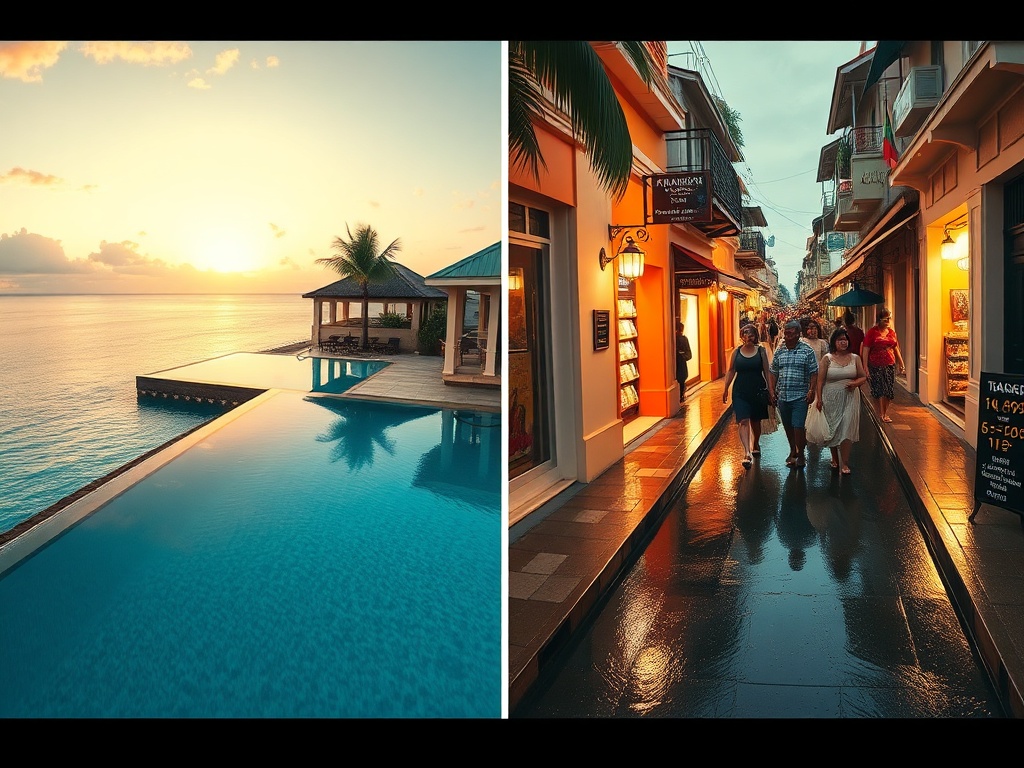
Where Resort Pools End and Malé's Currency Boards Begin
Across Maldivian social media, a chorus of economic anxiety echoes through fragmented complaints about currency policy, housing failures, and political tribalism. These aren't isolated grievances but symptoms of a system where the true 'private sector' remains misunderstood, and ordinary citizens bear the weight of structural imbalances.
The debate over who constitutes the meaningful private sector cuts to the heart of our development paradox. While tourism generates the bulk of our foreign exchange, the mechanisms for distributing this wealth remain deeply flawed. The current USD policy controversy exemplifies this disconnect—resort owners accumulate dollars while Maldivian workers receive rufiyaa at artificial rates, creating a shadow economy where currency finds its true value in black markets.
This currency distortion mirrors broader economic fractures. The generational ban debate reveals how symbolic policies distract from systemic failures. When drugs flow freely in broad daylight, why would shopkeepers refuse cigarette sales? Such measures address symptoms while ignoring the disease of enforcement capacity and economic desperation.
The housing crisis compounds these pressures. Discriminatory allocation systems have become political footballs, with subsidized apartments often subleased by absentee beneficiaries while genuine residents struggle with exorbitant rents. This isn't merely policy failure—it's the architecture of inequality, where political connections determine economic outcomes.
Beneath these surface tensions lies the fundamental question: why has economic diversification remained elusive for fifty years? The answer appears in the political economy itself—where resort oligarchs influence policy, where remittance caps punish diaspora communities, and where STO rates signal recurring fiscal crises.
The real private sector that matters isn't the newspapers or small shops—it's the tourism infrastructure that operates as an economic state within a state. Until we confront this reality and build institutions capable of channeling tourism wealth into diversified development, we'll remain trapped in cycles of currency shortages, housing crises, and political recrimination.
The solution requires moving beyond partisan finger-pointing. Whether MDP or PNC, the establishment protects its economic privileges while ordinary Maldivians navigate student loans, rent pressures, and the quiet erosion of purchasing power. Our economic future depends on recognizing that the true private sector must serve national development, not just private accumulation.
— Source fragments: What is the 'private sector' that matters to our economy; even in the forced usd policy it's the maldivian workers suffering; wrong angle. why does the resorts have mvr to pay workers; generation ban is a useless woke policy; Discriminative housing policy; Your life is rent + student loans; Guess why we are back to STO rates