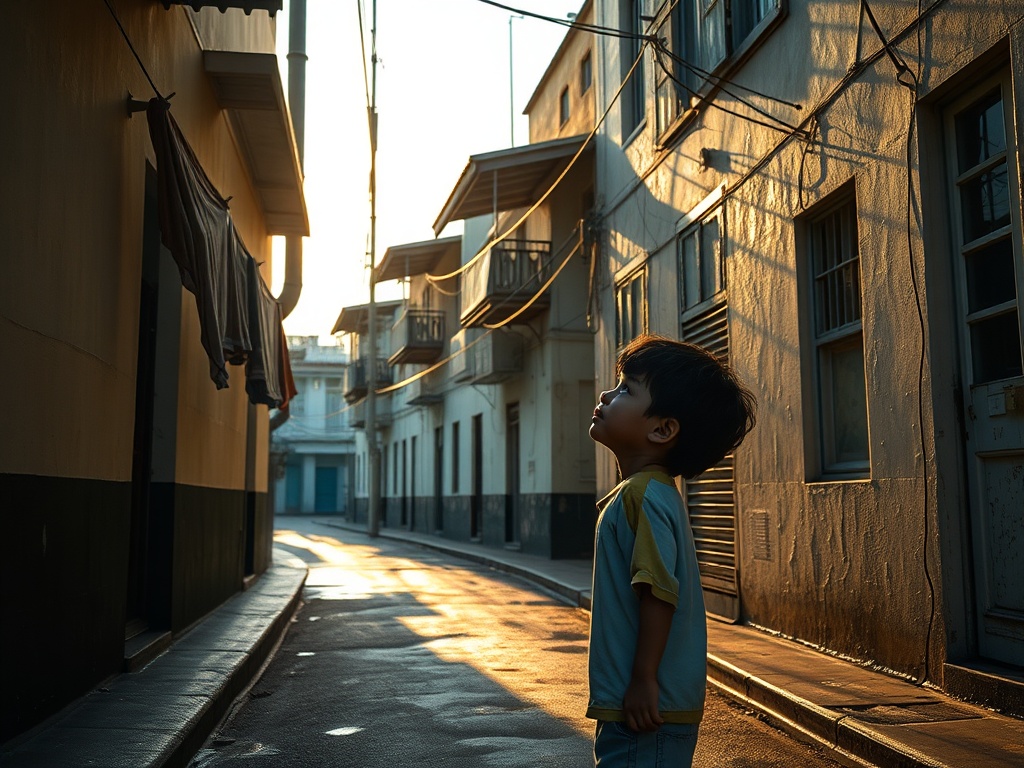
Where Sunlight Barely Reaches Malé's Narrow Alleys
The sea breeze carries more than salt these days. It carries the weight of unspoken tensions—between the concrete rising skyward and the coral reefs sinking beneath our feet. In the narrow alleys of Malé, where sunlight struggles to reach the ground, you can feel the pressure building like monsoon clouds before the storm.
Every morning, the same ritual unfolds: fathers calculating how many hours of overtime will cover this month's rent, mothers measuring rice with anxious eyes, young graduates carrying degrees that feel increasingly like decorative shells. The housing blocks promised as solutions have become monuments to another kind of problem—empty flats held by invisible hands while families cram into single rooms, their dreams stacked vertically in this overcrowded atoll.
Meanwhile, the sea that once defined our freedom now feels like a barrier. The same waters that bring tourists in luxury vessels also carry away our brightest minds seeking opportunities elsewhere. We watch as our doctors, engineers, and teachers become statistics in foreign immigration offices, their departures quiet tragedies masked as personal success stories.
There's a particular kind of irony in watching resort lights twinkle across the lagoon while calculating whether to buy medicine or pay the electricity bill. The very beauty that draws the world to our shores seems to recede from our daily lives, becoming postcard imagery rather than lived experience.
Yet in the early mornings, when the call to prayer echoes across the still water and the fishermen prepare their nets, something persists. It's in the grandmothers who still know which herbs heal common ailments, in the young activists organizing clean-up campaigns despite everything, in the teachers who somehow make cramped classrooms feel expansive. Their resilience isn't dramatic—it's the quiet determination of roots finding purchase in rocky ground.
The real Maldives exists in these spaces between the headlines—in the shared pot of tea between neighbors, in the collective sigh when rain finally breaks the heat, in the unspoken understanding that while the systems may falter, the human connections that bind us across these islands remain our true infrastructure.
— Source fragments: Housing crisis in congested capital, youth unemployment, high cost of living, inadequate healthcare, brain drain, tourism economy paradox