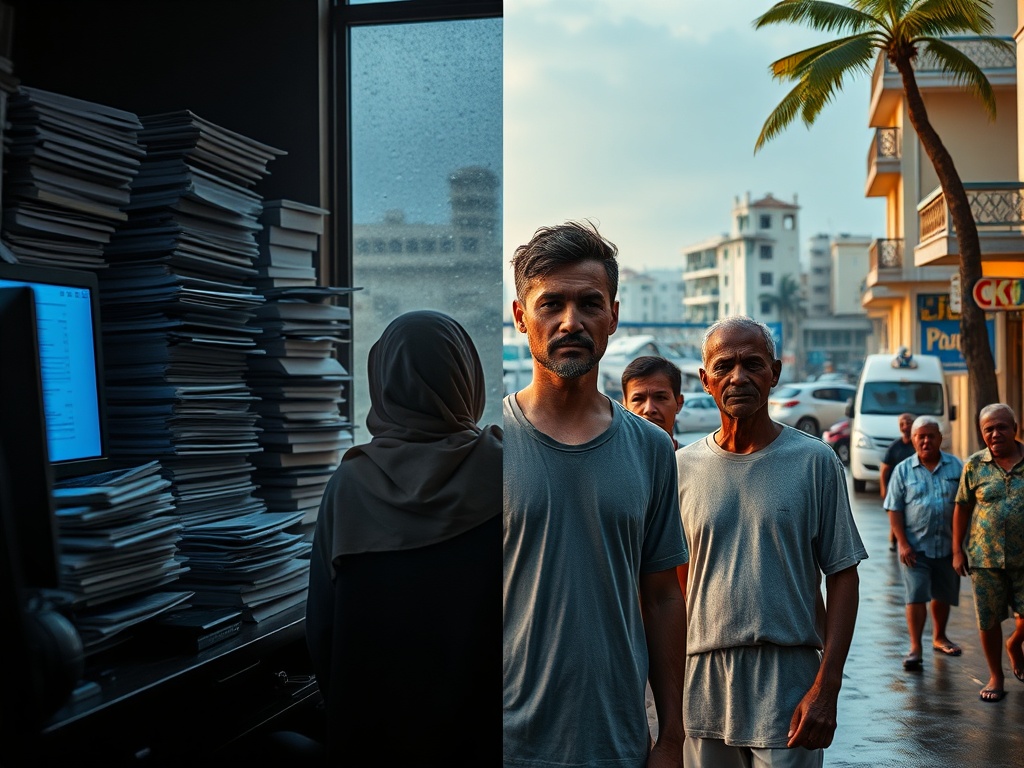
Where the Budget Papers End and Malé's Worried Faces Begin
Across Maldivian social media and public discourse, a consistent theme emerges: the disconnect between government actions and public need. The sentiment reflects not just dissatisfaction but a fundamental questioning of how state resources are allocated and monitored.
The criticism begins with spending priorities. Recent announcements about funding for news outlets have been met with skepticism, with observers questioning why certain industries receive support while others struggle. The construction sector, a significant economic driver, is highlighted as potentially more deserving of strategic investment, raising questions about the criteria used to distribute public funds.
At the core lies a deeper concern about fiscal oversight. The Public Accounts Committee of the Majlis faces scrutiny for its perceived failure to adequately monitor state budget expenditure. This lack of accountability creates fertile ground for policies that appear to serve narrow interests rather than the national good.
The currency crisis exemplifies this disconnect. While the government focuses on specific industry demands, the broader fiscal health of the nation suffers. The Maldivian Rufiyaa's stability against major currencies like the US dollar remains a pressing concern, yet practical solutions—such as using tax revenue to balance foreign exchange markets—seem ignored in favor of politically expedient measures.
Housing policies reveal similar patterns. The distribution of land and housing benefits to select families creates long-term social stratification, with critics warning of class divisions hardening over generations. Meanwhile, the government's inconsistent approach to regulation—setting taxi rates while claiming inability to control rents—suggests not incapacity but unwillingness to address issues affecting ordinary citizens.
The cumulative effect is a growing public awareness that policy changes could dramatically improve lives, yet these changes remain unimplemented. From currency stability to housing equity, the solutions are known but the political will appears absent. As one observer noted, people won't stay silent forever while being systematically disadvantaged.
This conversation reflects a maturing public consciousness about governance and accountability. The issues extend beyond any single administration to touch fundamental questions about how a nation manages its resources, whom it serves, and what legacy it leaves for future generations.
— Source fragments: Criticism of news outlet funding; concern about Public Accounts Committee scrutiny; construction industry comparison; fiscal health and currency stability; land distribution creating social imbalance; inconsistent regulation between housing and transportation; public awareness of policy alternatives