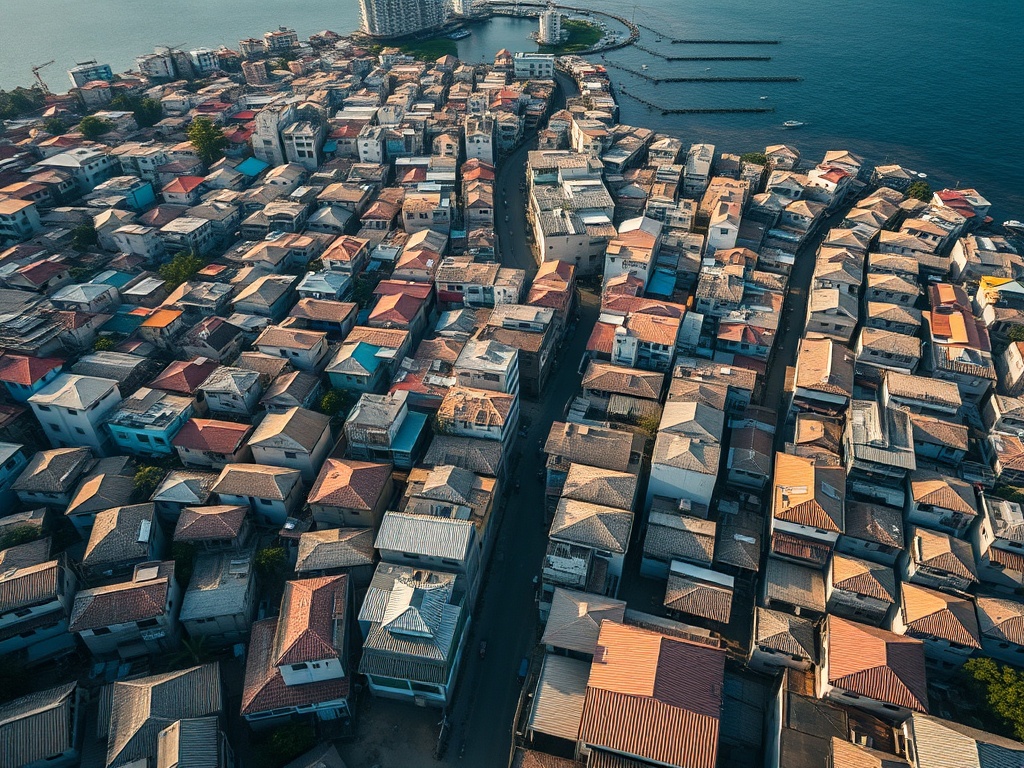
Where the Crowded Islands of Maldives Seek New Tax Solutions
In the crowded islands of Maldives, where urban land has become both prize and problem, a quiet revolution in economic thinking is taking shape. The conversation has shifted from mere complaint to concrete policy proposals, with land value taxation emerging as a compelling alternative to the current flat consumption taxes that disproportionately affect lower-income Maldivians.
The core argument gaining traction suggests that land value tax—unlike GST—cannot be evaded or passed up the economic chain. It would naturally be higher in urban centers like Malé, where land values have skyrocketed amid the housing crisis, creating a more progressive system that reflects actual economic activity and resource usage.
This approach addresses multiple challenges simultaneously. The existing infrastructure in urban areas represents massive public investment, yet the benefits often flow disproportionately to property owners rather than the community that funded the development. A land value tax would capture some of this unearned increment for public benefit, potentially funding improved services or reducing other regressive taxes.
Critics of the current system point to the irony of subsidized housing projects where leaseholders living abroad sublet their properties for profit without contributing their fair share. Meanwhile, local tenants bear the burden through rising rents while the value of the land beneath them increases due to community development.
The policy discussion acknowledges implementation challenges but emphasizes the structural advantages. Unlike income or consumption taxes that can discourage economic activity, land value taxes target unproductive speculation and underutilized urban property. This could help alleviate the severe congestion in Malé by creating incentives for efficient land use rather than speculative holding.
As the debate evolves, proponents argue that such reforms could begin untangling the web of economic distortions that have long plagued Maldivian development. The conversation represents a maturation of public policy thinking—moving beyond temporary fixes toward systemic solutions that align private incentives with public good in this unique island nation where land remains both scarce and sacred.
— Source fragments: It's because of the rent money. So why not introduce land value tax? This tax will not be flat like gst. It will be higher for urban areas. People will demand what is in their interest. But policy makers shall have the solution. Same way gst cannot be evaded or passed up. We already have infrastructure. Just need policies. GST is paid by customers(consumers) not retailers. So land tax also will be paid by tenants and handed over to gov by landlords.