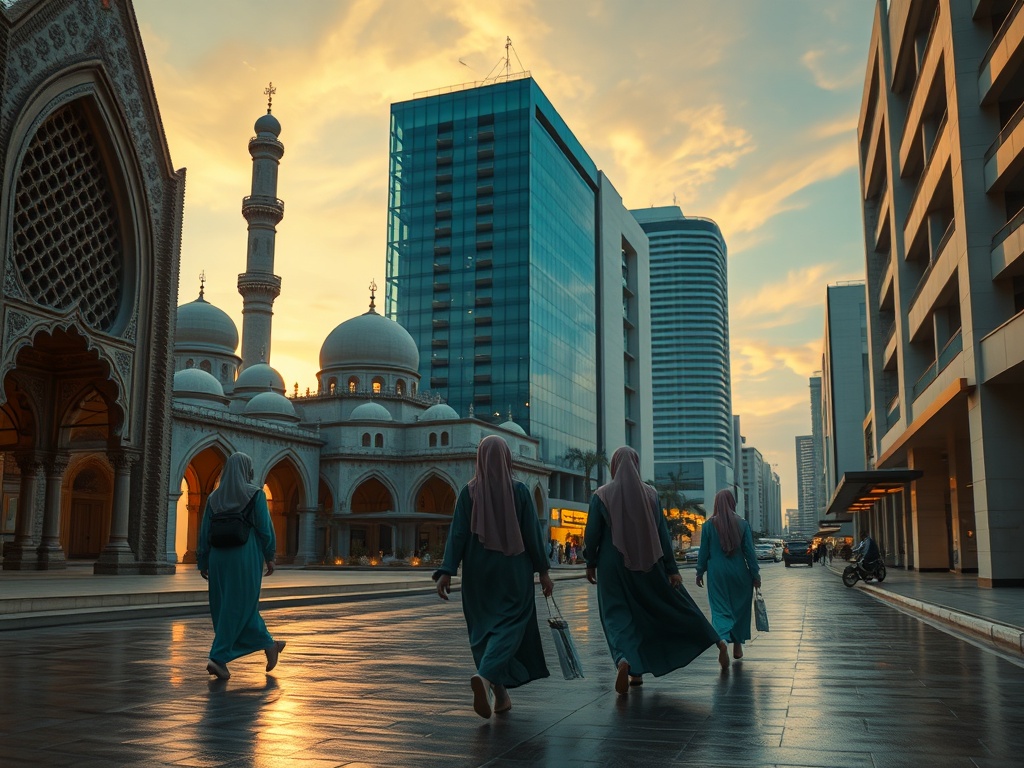
Where the Hijab Debate Meets Malé's Digital Squares
In the digital squares of Maldivian social media, a familiar debate has reignited with fresh intensity. The discussion centers on one of the most visible markers of religious identity—the hijab—but quickly spirals into deeper questions about faith, freedom, and the role of religion in modern Maldivian life.
The conversation reveals starkly divided perspectives. One camp argues with theological certainty that religious commandments are non-negotiable. "Muslim women not covering according to Sharia is a crime in Islam," one viewpoint asserts, framing the matter as one of divine obedience rather than personal preference. This position sees religious law as comprehensive, governing both public and private conduct with equal authority.
Countering this, another perspective emphasizes intention and free will as essential components of genuine faith. "Forcing a buruga or something else on her doesn't make her a good Muslim if she doesn't have the intention," the argument goes. Here, the emphasis shifts from external compliance to internal conviction, suggesting that religious practice loses meaning when coerced.
The debate touches on broader questions about religious interpretation and extremism. Some participants question why certain religious obligations receive disproportionate attention compared to other societal issues. "Not wearing a buruga is not a crime in shariah," one comment notes. "Yet extremists make it sound like it's a far bigger crime than drugs or murder."
This conversation unfolds against the backdrop of a society grappling with multiple pressures. While the Maldives maintains its identity as a 100% Muslim nation, it faces economic strains including high living costs, youth unemployment, and governance challenges. The intensity of these religious debates may reflect deeper anxieties about preserving cultural identity amid rapid change.
The core tension appears to be between two understandings of religious obligation: one that views faith as a system of comprehensive divine commands requiring uniform adherence, and another that sees genuine belief as requiring personal choice and understanding. Both sides claim the mantle of authentic Islam, yet they reach dramatically different conclusions about how faith should manifest in daily life.
As Maldivians navigate these complex questions, the debate continues to evolve. What emerges is a society in dialogue with itself—questioning, challenging, and seeking to reconcile centuries of tradition with the complexities of modern existence. The outcome of this conversation will likely shape not just religious practice but the very character of Maldivian society in the years to come.
— Source fragments: Islam can & will dictate what u can & u cannot do; Forcing a buruga doesn't make her a good Muslim if she doesn't have the intention; Not wearing a buruga is not a crime in shariah; The Choice is Free Will; Muslim women not covering according to Sharia is a crime in Islam