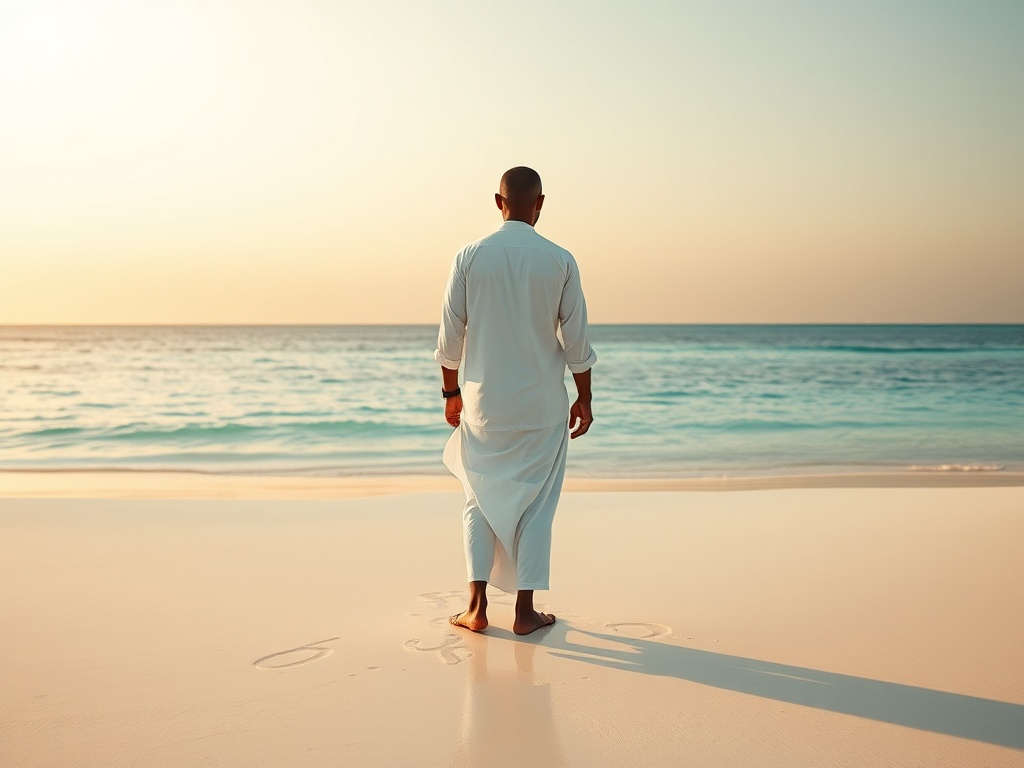
Where the Ocean Meets the Sky, a Nation Turns to Faith
Across the scattered atolls of the Maldives, where low-lying islands dot an endless ocean horizon, a quiet conversation about identity and resilience is unfolding. In a nation where Islam has shaped civilization for centuries, many are looking past the turbulence of contemporary politics and economic strain toward the enduring values at the heart of their faith.
For Maldivians, the geographical reality is both blessing and vulnerability—tiny islands surrounded by vast seas, a metaphor for the modern condition of navigating global currents while preserving cultural distinctiveness. This physical smallness has historically reinforced reliance on something greater, a relationship with the divine that offers not just spiritual comfort but a framework for living.
The discussion increasingly centers on whether Islamic principles—justice, dignity, fairness—could serve as more than personal guidance, but as foundational pillars for rebuilding institutions. The argument gaining traction suggests that systems built around these timeless values rather than temporary political convenience might create more sustainable economies and societies. This isn't about religious imposition but about recognizing that ethical foundations often produce the most durable structures.
Against a backdrop of global polarization, simple acts take on profound significance. A smile becomes an act of defiance against encroaching cynicism, a sunnah practiced amid complexity. The proliferation of faith-based messages in unexpected places reflects a yearning for connection in fragmented times, a reminder that some truths transcend borders.
In the Maldives, where youth face limited opportunities and economic pressures mount, this return to core values represents both comfort and critique. It suggests that solutions might lie not in replicating foreign models but in rediscovering indigenous wisdom. The challenge becomes how to translate these principles into practical governance, economic policy, and community building without falling into empty symbolism.
The conversation acknowledges that values alone cannot solve structural problems—corruption, housing shortages, healthcare inadequacies—but suggests they might provide the moral compass needed to navigate toward solutions. It's a recognition that sustainable development requires both technical competence and ethical direction.
What emerges is a vision of faith not as retreat from the world but as engagement with it—a source of strength for individuals and potential blueprint for societies seeking stability amid change. For a nation facing rising seas and rising costs, this spiritual anchoring offers both refuge and roadmap, reminding that the smallest islands can produce the deepest convictions.
— Source fragments: we are a people living on low lying tiny islands in the middle of an ocean, whom Allah out of His abundant Mercy blessed with the guidance of Islam; We already have the best value system in our religion — justice, dignity, fairness. If we build our institutions around those values instead of bending rules, we'd actually have a future worth believing in; In a world full of hate, a simple smile is an act of defiance. Smile. Its sunnah