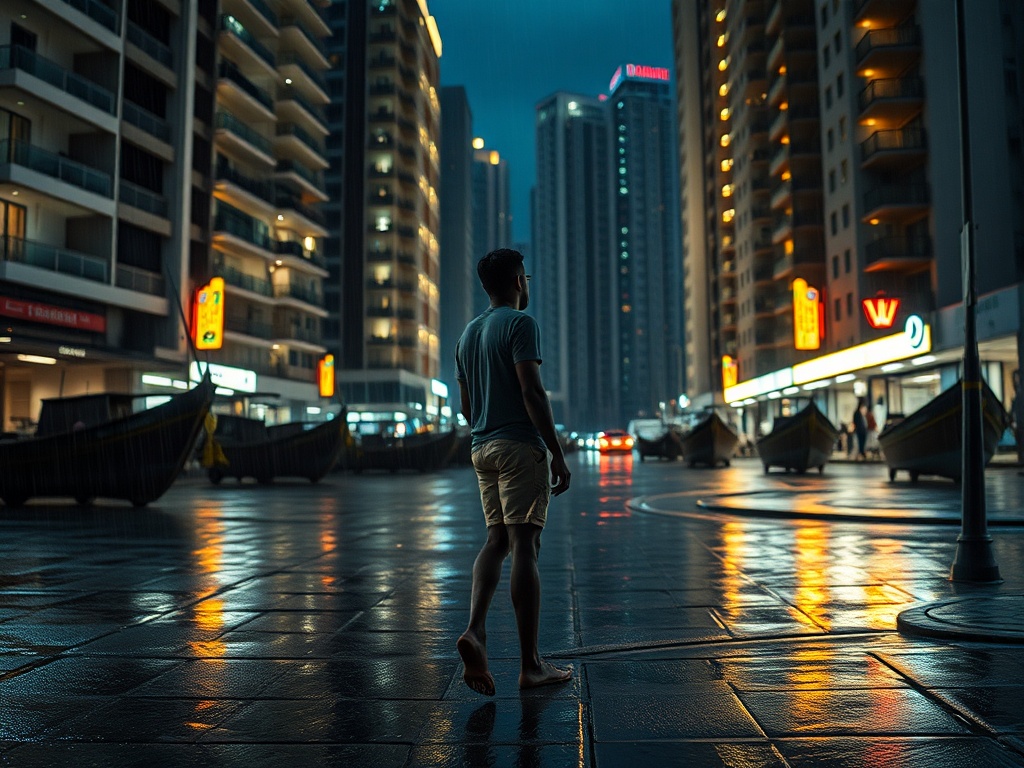
Where the Sea Breeze Can't Reach in Malé
The air in Malé hangs heavy with unspoken grievances. In the narrow corridors between concrete buildings, where the sea breeze struggles to penetrate, there's a palpable sense that something fundamental has frayed. The old social fabric—woven from with shared values and mutual responsibility—feels stretched to its limits, replaced by a landscape of transactional relationships and guarded interactions.
Across the archipelago, from the crowded capital to the outer atolls, conversations circle back to the same themes: trust eroded, ethics compromised, and genuine connection becoming increasingly elusive. The observation that "real connections don't exist" resonates in a society where political polarization and economic anxiety have created invisible walls between neighbors, colleagues, and even family members.
The ethical vacuum described—where systems operate without moral compass, favoring the connected and powerful—mirrors broader concerns about governance structures. When institutions appear to prioritize political agendas over public good, it creates a trickle-down effect of cynicism. The sentiment that "everything was in their favor" speaks to a deeper anxiety about fairness and equal opportunity in a nation grappling with nepotism and concentrated power.
In Maafannu and similar densely populated districts, the specific burdens of Maldivian masculinity manifest in complex ways. The metaphorical comparison to childbirth pain—intense, transformative, and fundamentally misunderstood by outsiders—captures how cultural expectations and economic pressures create unique forms of suffering. Young men navigate a landscape where traditional roles collide with modern realities, where unemployment and limited opportunities create a simmering frustration that rarely finds healthy expression.
The casual cruelty observed in daily interactions—being rude because "you never know when someone is having a good day they don't deserve"—reflects a society where resentment has become a default posture. This isn't mere individual malice but a symptom of systemic stress: the high cost of living, housing shortages, and the constant pressure of making ends meet in an economy heavily dependent on tourism yet struggling to distribute its benefits equitably.
Beneath the surface of these social tensions lies the uncomfortable truth about how we've been raised to view success and survival. The intergenerational transmission of values—or their absence—shapes how communities navigate scarcity and opportunity. When survival instincts override ethical considerations, the social contract weakens, and everyone becomes more isolated in their struggles.
The screaming man, the stereotypes made real, the sense that simple solutions remain perpetually out of reach—these are not isolated complaints but interconnected symptoms of a society in transition. As the Maldives balances its global aspirations with local realities, the challenge isn't just economic or political, but deeply human: how to rebuild trust, restore ethical foundations, and create space for genuine connection in a landscape shaped by competing agendas and unhealed wounds.
— Source fragments: No one truly cares anymore. Grudges, Selfishness, Greed, Agendas. Real connections don't exist; Also they started there without ETHICS, meaning everything was in their favor; Only a mother giving birth to triplets without anesthesia can understand the pain of being a maldivian man from maafannu; Always be rude to people because you never know when someone is having a good day they don't deserve