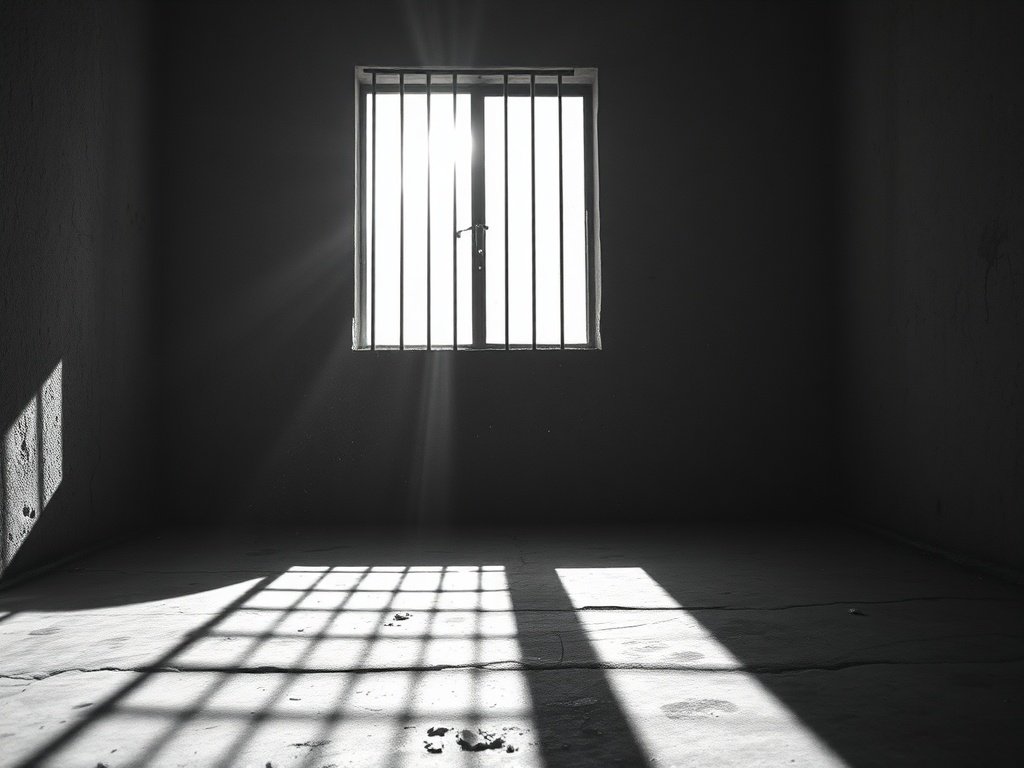
Where Time Stands Still in Malé's Leaking Cells
In the cramped, leaking cells of Maldivian detention facilities, time moves differently. Here, the presumption of innocence feels like a distant legal theory rather than a fundamental right. The growing #EndVaanuvaa movement has brought into sharp focus a justice system that appears to prioritize punishment over due process, where indefinite remand detention has become routine rather than exceptional.
The core complaint isn't merely about uncomfortable conditions—though accounts describe overcrowding, inadequate yard time, and multiple rights deprivation—but about a fundamental breakdown in the timeline of justice. When individuals can spend months, even years, awaiting trial without resolution, the system itself becomes a form of punishment regardless of eventual verdicts.
Recent cases have highlighted troubling inconsistencies in prosecutorial discretion. The decision to pursue charges against a young girl for a minor infraction while simultaneously allowing high-profile figures to walk free after returning allegedly stolen funds raises uncomfortable questions about equitable application of justice. This selective approach undermines public trust and suggests a system where influence and connections may outweigh legal principles.
Critics argue that the government profits from this arrangement, with detention facilities generating revenue while human rights languish. The political dimensions are impossible to ignore, with many seeing the justice system as another arena for settling scores and consolidating power rather than administering blind justice.
The debate has shifted toward fundamental questions of purpose: Should detention before trial be the default for non-violent offenses? Does prolonged remand serve any legitimate public safety interest when no violence occurred, no one was injured, and no property was damaged? These questions strike at the heart of what kind of society the Maldives aspires to be.
Meanwhile, the human cost accumulates in silent increments—fathers separated from children, spouses living in limbo, careers derailed by accusations rather than convictions. The psychological toll of indefinite uncertainty creates scars that may never fully heal, even if eventual exoneration comes.
Proponents of reform acknowledge the need for accountability but argue that justice delayed is justice denied. They call for a system that balances public safety with individual rights, where trials occur within reasonable timeframes and detention remains the exception rather than the rule. The current approach, they contend, risks creating more problems than it solves, potentially hardening rather than rehabilitating those caught in its web.
As the conversation evolves, it's clear that technical fixes alone won't address the deeper cultural shift required. The Maldives stands at a crossroads between a punitive past and a more just future, between a system that reacts to crime with indefinite detention and one that responds with timely, transparent justice that serves both society and the accused.
— Source fragments: Fragments about indefinite detention without trial, overcrowded conditions, inconsistent prosecutorial decisions, calls for fair trials and dignity, concerns about political influence on judiciary, and the human impact of prolonged remand.