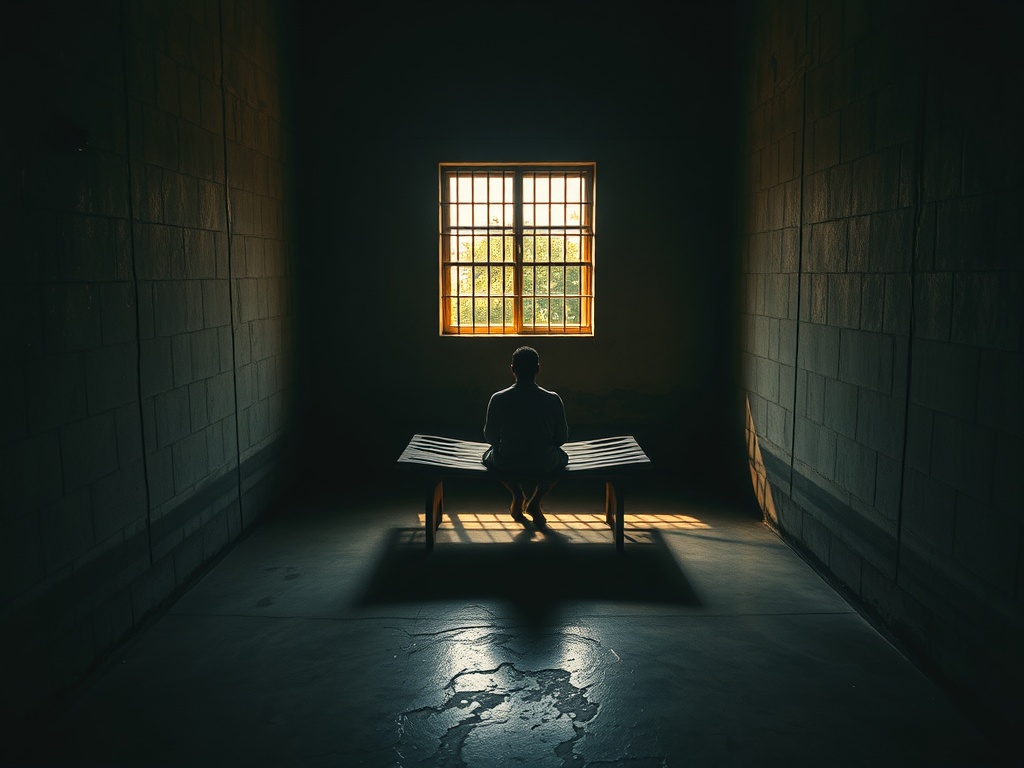
Where Water Leaks and Days Blur in Malé's Cells
In the cramped cells of Malé's detention facilities, time moves differently. Water leaks from ceilings, days blur into months, and lives hang in the balance of a justice system that seems to have forgotten its purpose. This is Vaanuvaa—not just a place, but a state of being for those caught in the limbo of indefinite remand.
The stories emerge in fragments: a father of four sentenced to 27 years for walking on the same street as a suspect; a young girl facing prosecution for a minor infraction with no violence, no injury, no damage; prisoners held for months without trial, their basic rights eroded by systemic neglect. These are not isolated incidents but symptoms of a deeper malaise in our judicial landscape.
What happens when due process becomes optional? When remand becomes not a temporary measure but a permanent solution? The human cost is measured in lost years, broken families, and the quiet erosion of dignity. An inmate who spent six months in remand describes conditions that defy basic humanity—overcrowded cells, inadequate yard time, multiple rights deprived. Yet many remain unmoved, until the abuse touches their own families.
Meanwhile, high-profile cases tell a different story. The mastermind behind significant national events walks free while ordinary citizens face the full weight of a system that appears increasingly arbitrary. The logic seems inverted: return stolen money and avoid prosecution, while minor infractions lead to years of uncertainty.
This duality reveals a justice system struggling with its own identity. On one hand, there are legitimate concerns about repeated crimes by released offenders and the need for accountability. On the other, the system's failures create their own victims—people trapped not by evidence or verdict, but by procedural delays and what many perceive as political considerations.
The debate has shifted from abstract legal principles to concrete human suffering. Critics argue that the system has become a tool for something other than justice—a means of control, a display of power, or simply a reflection of institutional incompetence. The call to end Vaanuvaa is not about freeing the guilty, but about restoring the fundamental premise that every person deserves a fair trial and dignity, regardless of accusation.
As the sun sets over the Indian Ocean, casting long shadows across the crowded capital, the question remains: How did we arrive at a place where indefinite detention became acceptable? The answer may lie in our collective willingness to look away until the system's failures become personal. Until then, the unseen bars of Vaanuvaa continue to confine not just bodies, but the very idea of justice itself.
— Source fragments: Prosecuting young girl for minor infraction; indefinite detention without trial; overcrowded cells with water leaks; father sentenced to 27 years for trivial reasons; high-profile figures walking free while ordinary citizens face harsh treatment; calls for ending Vaanuvaa detention system