Who Gets the Green Jewels in the Blue?
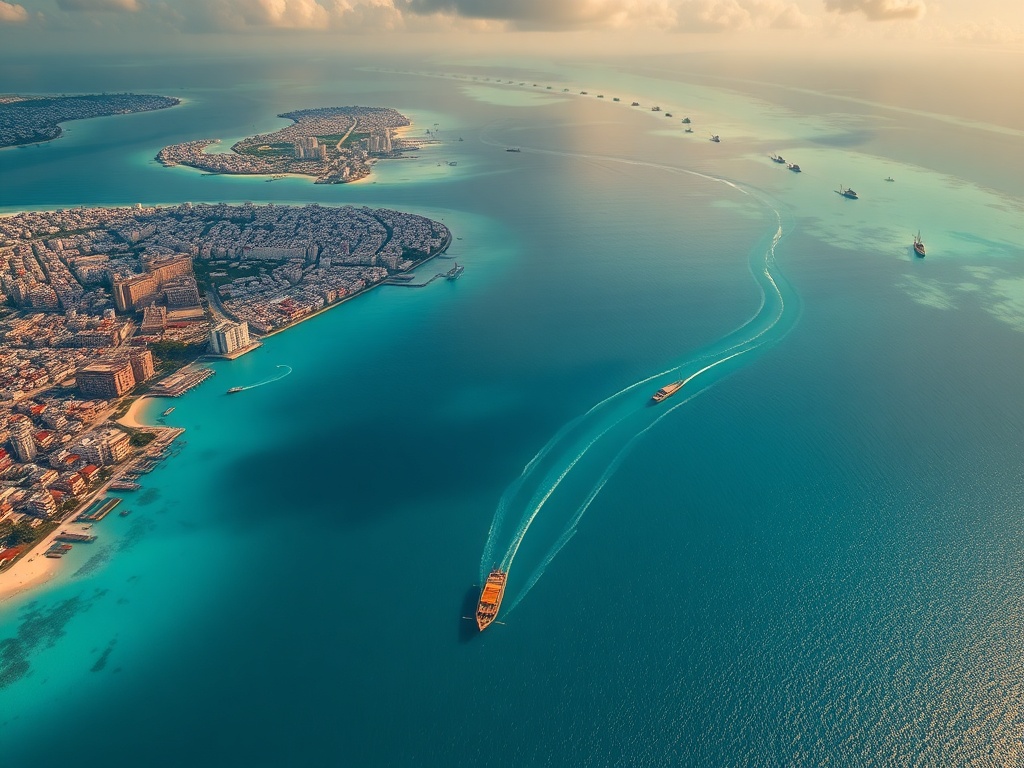
In the scattered archipelago of Maldives, where land emerges as rare green jewels from an expansive blue canvas, the question of who deserves a piece of this finite resource has become one of the nation's most contentious debates. The recent Binveriya scheme, which allocated land primarily to Male' residents, has exposed raw nerves about equity, citizenship, and the very definition of home.
The policy's eligibility requirements created a stark divide: while any Maldivian citizen could apply for land in the islands, only those designated as 'Male' citizens' qualified for plots in the capital region. Critics argue this constituted pure discrimination, creating a tiered system of citizenship where birthplace determined privilege. The scheme's abrupt cancellation after publication of beneficiary lists did little to resolve the underlying tensions.
At the heart of the controversy lies the fundamental question of land's purpose. Should it be distributed freely as a right of citizenship, or treated as a strategic asset to generate public funds? Proponents of market-based approaches contend that selling land to wealthy buyers could generate revenue to subsidize housing for the majority. They argue that when land is given freely without conditions, the state loses crucial resources needed to serve broader public interests.
The debate extends beyond residential needs to encompass economic development. Land allocated for specific purposes—agriculture in Thoddoo, boat building in traditional centers, industrial use in designated zones—faces pressure from commercialization. The question arises: is it fair when land granted for watermelon cultivation becomes the site for guesthouses? This tension between intended use and market opportunity reflects the competing pressures on limited territory.
With population growth projected to peak or decline, yet supplemented by expatriate workers and tourism infrastructure, the pressure on land remains intense. Some warn that current mismanagement could lead to depletion of available land, while others advocate for comprehensive reform rather than maintaining the status quo.
The emotional stakes are high. Many citizens feel caught between systems—unable to claim land on their birth islands after transferring registration to Male', yet ineligible for plots in the capital due to technicalities. This bureaucratic limbo leaves some feeling like 'third-class citizens' in their own country.
Religious perspectives add another dimension, framing land as a trust from Allah that rulers must distribute fairly. When families pay 80% of their income toward rent, critics see exploitation that demands policy intervention.
As Maldives navigates this complex terrain, the challenge remains: how to distribute land in a way that honors both heritage and hope, recognizing that in an island nation, land represents not just physical space, but identity, security, and the future itself.
— Source fragments: Eligibility requirements for free land applications from Male' vs islands; Bin Veriyaa scheme was discrimination; Selling land to raise funds for public good; Land given for different purposes (agriculture, boat building, etc); Land as finite resource with population pressure; Religious perspective on land as trust from Allah; Personal experiences of being denied land rights