Who will defend the common?
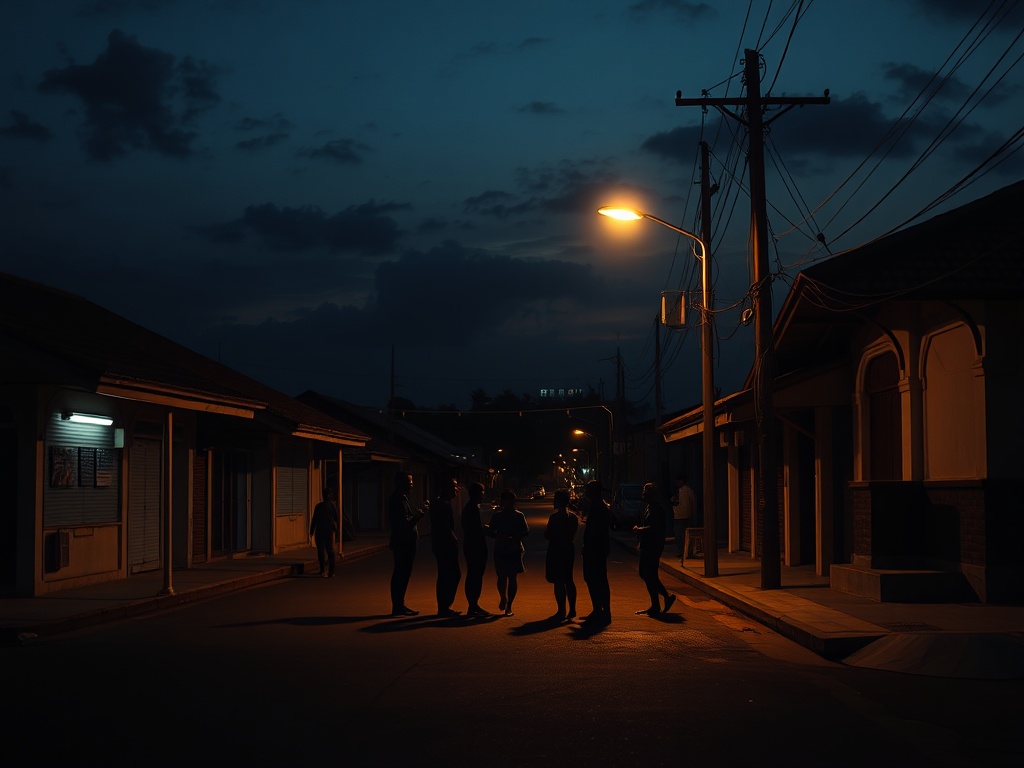
I read these words late at night, the blue light of my phone casting shadows on the wall. 'Who will defend the common?' The question hangs in the humid air, heavy as the monsoon clouds gathering over Malé. We see phones taken, protests met with pepper spray, hunger strikes beginning in cells. The details blur—court orders, delayed investigations, medical attention denied—but the feeling remains, sharp and familiar. It’s the chill that runs through a crowd when the police vans arrive, the collective intake of breath when someone whispers, 'They took so-and-so.'
We talk about corruption like it’s the weather—something we can’t change, just endure. 'The same filth is rotting inside the current administration too,' someone says, and we nod. We’ve seen the faces change, but the game stays the same. MMPRC money, embezzlement, contracts with no arbitration clauses. It feels like we’re building our capital on sand, each new steel structure just another layer over the same old rot. We want to believe in reform, to fill out the form and make things new, but the cynicism is a thick smog. 'Who's gonna join a MDP that they don't believe in?'
And yet, amid the anger, there’s this stubborn thread of care. We notice when our elders are promised 5,000 rufiyaa while MPs rake in hundreds of thousands. We feel the small relief of passport services finally reaching every atoll, the simple dignity of not having to sail for days for a document. We extend sympathy to Nepal, remembering our own vulnerability to the rising seas. These are the acts that still bind us, the quiet insistence that a society should be more than its powerful men and their shadow games.
Maybe that’s the real tension here—between the grand narratives of geopolitics, 'Zionist playbooks,' and 'US-trained terrorists,' and the immediate, aching needs of the common person. We’re told to look at the big picture, the global chessboard, while our feet are stuck in the local mud of unfair treatment and administrative burdens. We’re told to respect authority, but then we see the 'manikufaanu' mentality—the way we bow to leaders who live in luxury while we argue over social housing loans.
So we keep asking, in messages sent after midnight, in whispers on the ferry, in the determined silence of a hunger strike: Who will defend the common? The question isn’t just about one government or one protest. It’s about the soul of this scattered nation, these tiny islands in a vast ocean. It’s about whether the fundamental rights we speak of are just words on paper or something we’re still willing to fight for, together, even when the sea gets rough.