Who's responsible for the Olhu Hiya cat shelter deaths?
The news about Olhu Hiya hit our family WhatsApp groups like a gut punch. 130 cats gone in just 20 days. That's more than six animals dying every single day in a place meant to protect them. When you think about the MVR 1.9 million given to new operators, the math doesn't add up—that's over MVR 14,600 per cat that died. In a country where people struggle to afford basic healthcare and housing, this waste of public funds feels like salt in the wound.
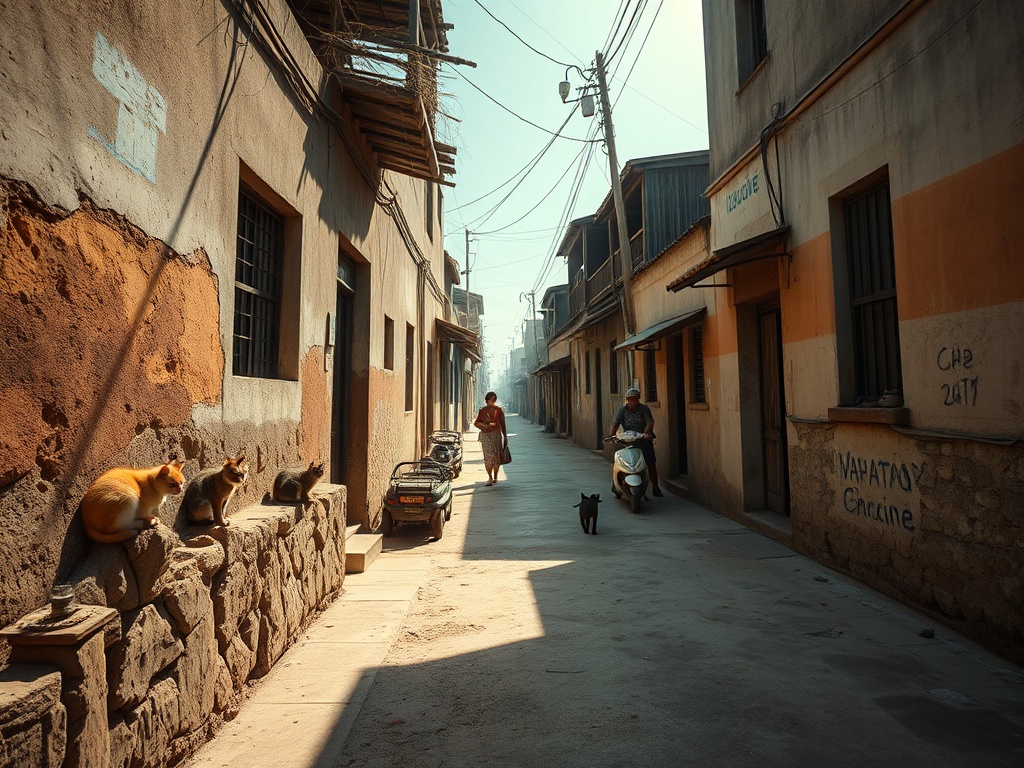
Walking through the narrow streets of Malé, you see cats everywhere—sleeping on coral stone walls, darting between shops, waiting for scraps near local cafés. They're part of our daily island life, these street cats that have adapted to our rhythms. Many of us grew up with them, feeding them leftover mas huni or fish scraps. The idea that so many were collected for protection only to die in such numbers breaks something fundamental in our collective trust.
Animal welfare groups saying the shelter isn't following guidelines raises the same questions we always ask when public money disappears: Who approved this? Who's watching the watchers? In our small nation where everyone knows someone who knows someone, accountability should be easier, not harder. Yet we see the same pattern—funds allocated, promises made, and then silence when things go wrong.
The young people I speak with at coffee shops and ferry terminals express a deep frustration. They're tired of seeing resources mismanaged while they struggle to find jobs in an economy where 25-30% of youth are unemployed. They wonder: if we can't properly care for animals with nearly two million rufiyaa, how can we solve bigger problems like housing shortages and healthcare gaps?
This isn't just about cats—it's about our values as a society. Islam teaches compassion for all living creatures, and our culture has always respected the natural world around us. When we fail so spectacularly at something as basic as animal sheltering, it reflects on our collective character. The sea that surrounds us teaches balance and care; we should extend that same ethic to the creatures sharing our islands.
We need answers. Not just about what happened to those 130 cats, but about the system that allowed this to happen. The people responsible must be held accountable, and we must create better systems to prevent such tragedies. Our islands deserve better—from our leaders, from our systems, and from each other.