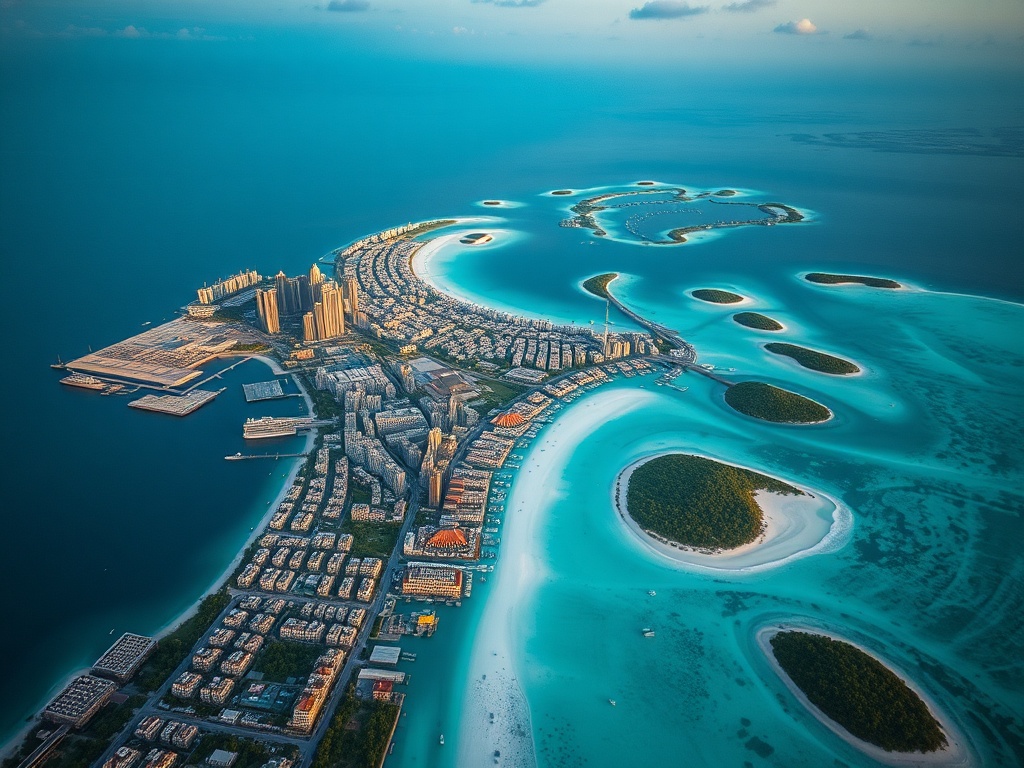
Whose Name Goes on the Reclaimed Land?
The question hangs in the humid air, heavy as monsoon clouds: what is land if you cannot use it, if you cannot leave it, if it cannot sustain you? Across these scattered atolls, we debate parcels of earth reclaimed from sea, measuring worth in square feet and millions, forgetting that our ancestors measured wealth in community and connection.
Some argue for free land for living, with conditions that ensure it becomes home, not investment. Others speak of fairness - if we all paid for the reclaimed land through our taxes and collective effort, do we not all hold claim? The tension between Malé meeha and Raajjetherey meeha echoes the deeper divide between the crowded capital and the outer islands, between the center and the periphery.
Yet beneath these policy debates lies something more fundamental. A 2000 square foot plot in Hithadhoo might be valued at thousands, while a tiny patch in Malé commands millions. But these numbers cannot measure the true value of land that holds family memories, that connects us to our history, that gives our children space to play under the same sun that warmed our grandparents.
The environmental impact assessments for reclamation projects speak of socioeconomic consequences, but rarely of the soul-consequences. When land becomes commodity rather than community, when it's handed out as political currency rather than earned as birthright, we lose something essential.
Perhaps the question isn't who gets what land, but what kind of society we build upon it. A land policy should reflect our values - that every Dhivehin deserves a place to call home, that mobility between islands should be a right, not a privilege, and that the earth beneath our feet should connect us rather than divide us.
In the end, the land will remain long after our debates fade. It will witness generations yet unborn, will feel the monsoon rains and dry season sun, will hold the stories of those who walked upon it. The real question is what stories we will leave behind in this earth we argue over so fiercely.
— Source fragments: technically maybe not, but if you can't yourself wean out of the land and use it for anything else then what is it?; I think the correct policy is not to differentiate between Male' meeha or Raajetherey meeha; I don’t believe in free land handouts to begin with; About land: I believe land for living shall be given for free; A 2000 sqft land in S. Hithadho on average is worth about 300-500k I believe. A 200sqft land in Male’ is still worth millions; Ultimately the land will end up with the landowner