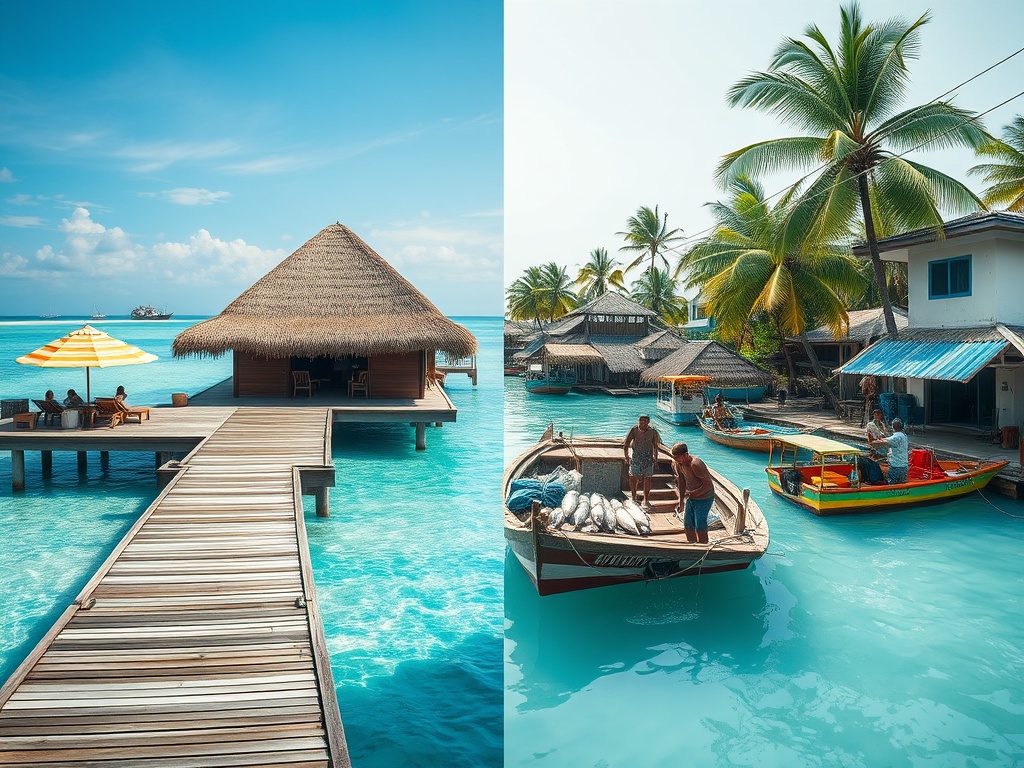
Whose Vision Built the Resorts, Whose Pockets Fill Today?
The narrative of Maldivian tourism often begins with a handful of visionary entrepreneurs who transformed pristine atolls into luxury destinations. This foundational story, however, has become entangled in contemporary political debates about economic management and resource distribution. As the country grapples with mounting national debt and economic pressures, questions about tourism's true beneficiaries have taken center stage.
The current administration faces criticism for repeating what opponents describe as the same fiscal missteps that contributed to the nation's debt crisis. The cyclical nature of these economic challenges suggests deeper structural issues within the governance of tourism revenues. At the heart of this debate lies the Tourism Goods and Services Tax (TGST), which generates substantial government income primarily from resort operations scattered across the atolls.
Critics argue there's a fundamental disconnect in how these revenues are perceived and allocated. The economic contributions originating from resort islands appear disconnected from development priorities in the capital and beyond. This perception fuels broader concerns about resource distribution and whether the economic engine of tourism adequately benefits the communities that host it.
The Maldives has successfully positioned itself as a premium luxury brand in global tourism, a status reinforced through high-profile social media exposure and celebrity endorsements often orchestrated by resorts themselves. This raises questions about the necessity of additional government-funded promotional campaigns, particularly when public finances face strain.
The aviation sector reflects similar tensions, with critics pointing to profit-driven seating configurations that prioritize revenue over passenger comfort. This commercial approach mirrors broader economic patterns where market efficiencies sometimes conflict with equitable access and experience.
These debates reflect a growing public consciousness about economic justice and resource management. The conversation has evolved beyond simple acknowledgments of tourism's importance to more nuanced questions about ownership, benefit, and sustainability. As the industry continues to evolve, so too does the public's understanding of what constitutes fair distribution of its rewards.
The fundamental question remains: How can the Maldives better align its tourism success with broader national development goals? The answer may lie in creating more transparent mechanisms that ensure the wealth generated by tourism translates into tangible improvements across all segments of society, honoring both the industry's pioneering roots and its future potential.
— Source fragments: tourism in Maldives was started by a few hardworking individuals; same BS that MDP did that landed us in this debt trap; Maldives is a luxury brand name; why is Maldives spending millions for resort promotions; airlines created this culture to earn more profit; TGST actually comes from the resorts, from the tourism industries built around our islands