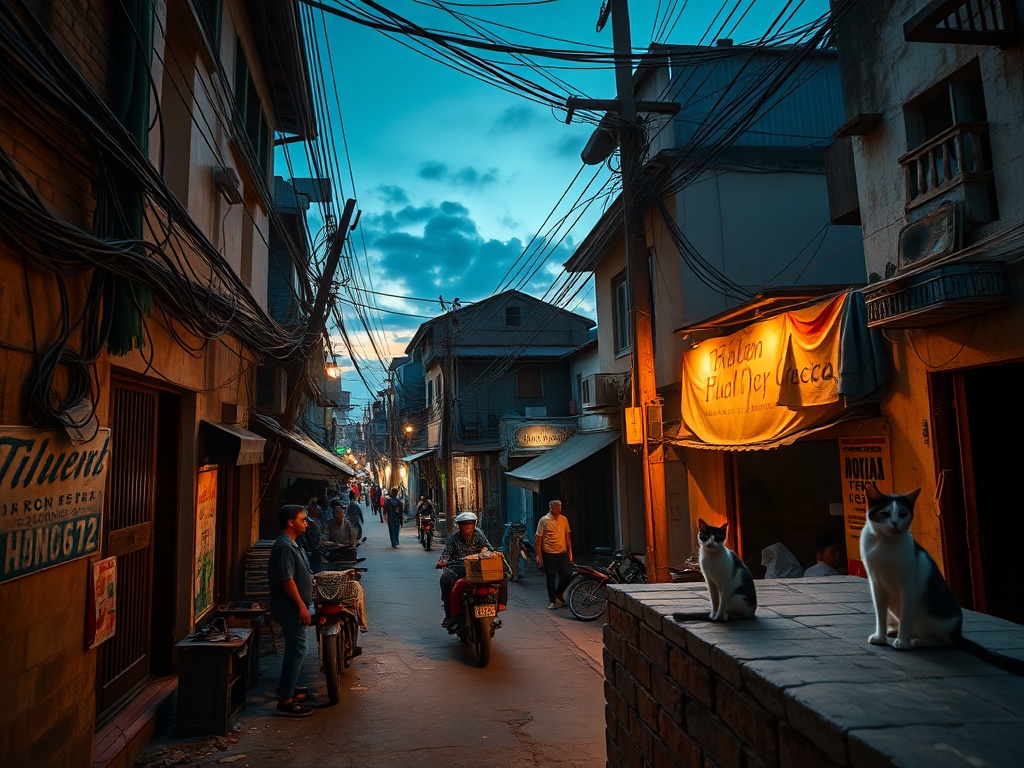
Why build cat shelters when we're drowning in debt?
I was walking through Malé yesterday evening, past the crowded fish market where our fishermen struggle to make ends meet, past the housing blocks where families live stacked on top of each other, and I couldn't help but think about this new cat facility. The air smelled of salt and diesel, the sounds of motorbikes and construction filled the narrow streets, and all I could wonder was: why are we spending millions on stray cats when our people are struggling?
We're not Europe or America. We're a small island nation carrying enormous debt—debt that hangs over our heads like the monsoon clouds. Every rufiyaa spent on fancy animal shelters means less for our hospitals where medicines run out, less for our schools where teachers struggle with overcrowded classrooms, less for the youth who can't find jobs despite their education.
What hurts most is how this decision was made. They say a government official saw a tweet from some social media influencer with a cute cat profile picture, got 'triggered,' and suddenly we're building first-world facilities. Is this how we make national policy now? Not through careful planning, not through addressing our actual pressing needs, but through reacting to trending tweets?
I remember when our grandparents used to say 'މުޅަނީ އަޅުގަނޑު ދަނީ'—even the ant has its own world. We have our own reality here. Cats have always been part of island life, wandering the coral stone walls, sleeping in the shade of palm trees. They weren't a national crisis requiring million-rufiyaa solutions.
Meanwhile, our young people graduate and can't find work. Families can't afford the rising cost of living. Our healthcare system strains under the weight of real human suffering. And we're building cat palaces?
It's not about hating animals—it's about priorities. It's about understanding that when you're a third world country with limited resources, every decision matters. We should be investing in our people, in our future, in solving the actual problems that keep us awake at night.
What message does this send to the fisherman working twelve-hour days? To the nurse working double shifts? To the student wondering if there's a future for them here? That their struggles matter less than making sure some influencer's tweet gets a favorable response?
This isn't just about cats. It's about who we are as a nation and what we value. It's about having the wisdom to recognize our limitations and the courage to address our real problems first. We can be compassionate without being wasteful, caring without being irresponsible.
Maybe someday, when our economy is stronger, when our people's basic needs are met, we can have these luxuries. But today, right now, we need to focus on what truly matters—our people, our dignity, our survival as a nation that takes care of its own first.