Why dollar shortage persists despite record revenue
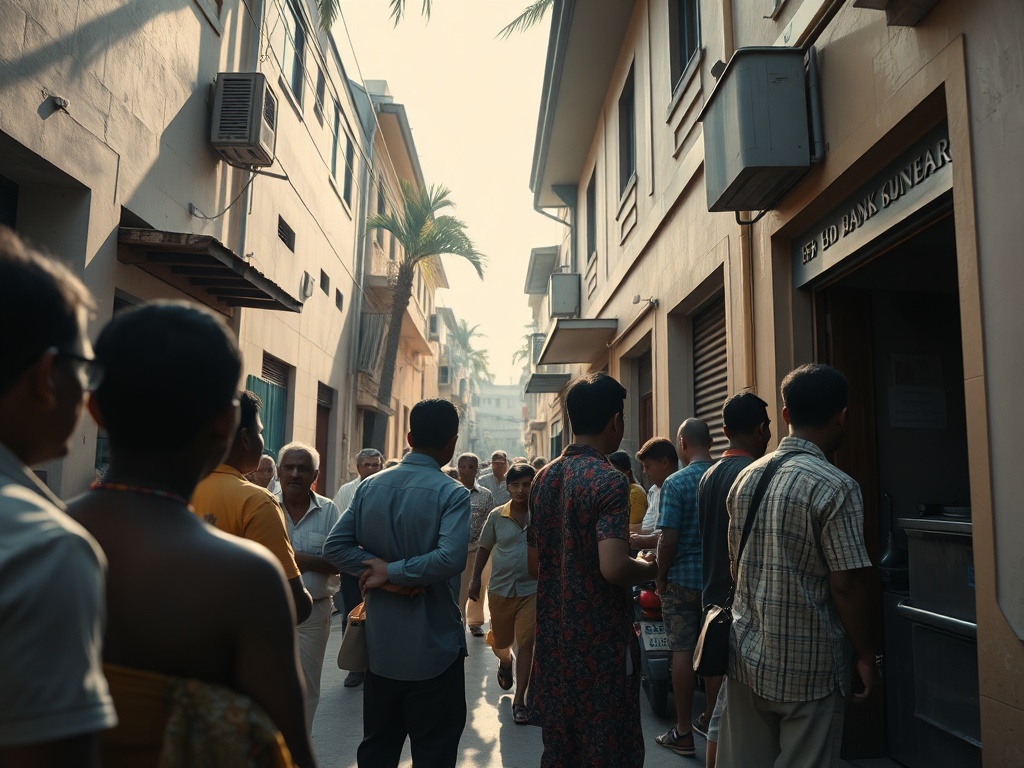
The numbers flash across government screens like monsoon lightning—$1.1 billion collected in just nine months, a 39% surge from last year. Tourism taxes alone brought in $531 million, with millions more from green taxes, airport fees, and departure charges. Yet walk through Malé's narrow streets, and the reality feels different. The bank queues tell another story, the whispered dollar rates in local shops painting a picture that official statistics cannot capture.
We stand at a curious crossroads where our national treasury swells with foreign currency while ordinary citizens struggle to access dollars for education abroad, medical treatments, or business imports. The tourism revenue flows like the Indian Ocean currents around our islands—visible, powerful, but ultimately passing through without nourishing the coral beneath. Resorts operate as dollar-rich enclaves where foreign workers send remittances home while our youth face 30% unemployment.
This paradox reveals the architecture of our economy. The dollars arrive through specific channels—TGST, green taxes, airport fees—but they don't necessarily circulate where they're needed most. Like water collecting in a cistern with limited pipes to distribute it, the currency pools in government accounts while the private sector thirsts. The thriving black market becomes the unofficial plumbing system, the shadow economy that emerges when official channels cannot meet real needs.
Our small nation faces the challenge of managing massive foreign currency inflows while maintaining stability for 350,000 citizens competing with 180,000 foreign workers. The subsidies that support our fishermen and provide universal electricity require careful dollar management, as do the medical treatments abroad that so many families depend on when our hospitals lack specialists and medicines.
The solution isn't simply about collecting more dollars—it's about building better channels for them to flow through our economy. It's about ensuring that the wealth generated by our pristine beaches and coral reefs actually reaches the people who call these islands home. The gap between official revenue and street-level reality reminds us that economic health cannot be measured by treasury deposits alone, but by how easily a mother can access dollars for her child's education, or a fisherman can import engine parts to keep working.
Perhaps this dollar shortage, despite the record inflows, serves as a warning—that we must build an economy where prosperity circulates as freely as the ocean currents around our atolls.