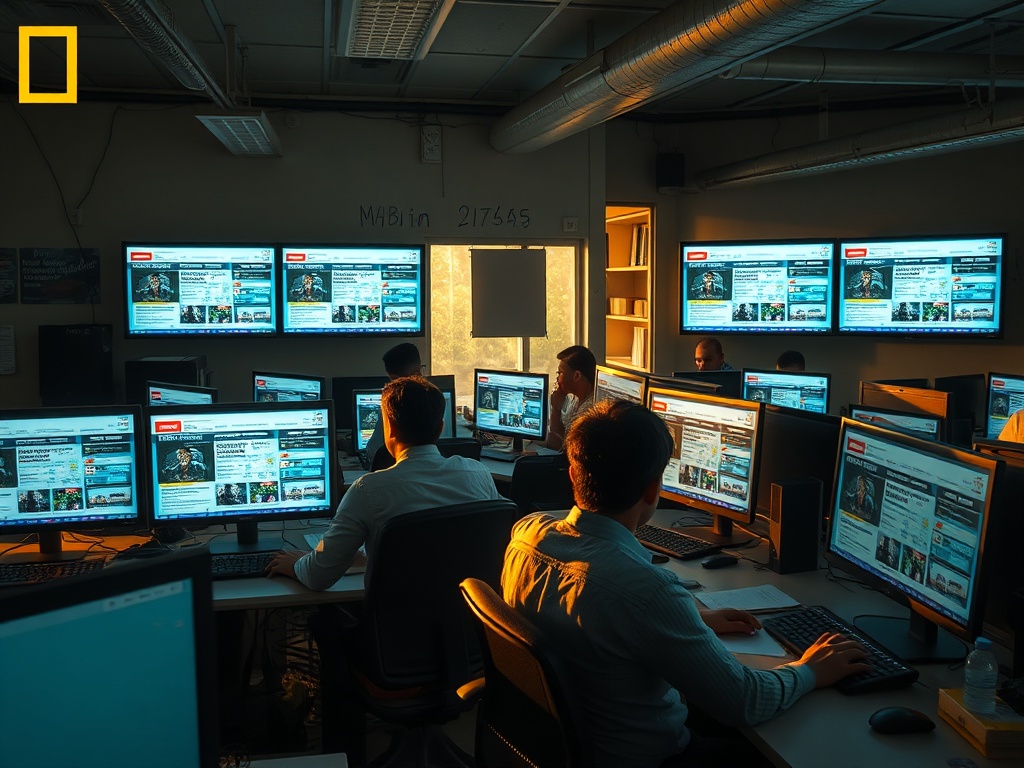
Why Maldivian media copies instead of creates
Walk through the newsstands of Malé, or scroll through the headlines online, and a strange sameness settles over you. The same stories appear everywhere, slightly reworded, sometimes copied entirely from one outlet to another. It feels like everyone is reading from the same script, and nobody is asking the questions we actually want answered.
This observation that our media landscape is dominated by copy-pasting, rather than genuine reporting, touches on something deeper than just lazy editing. It speaks to a systemic issue within our small island nation. With a limited number of major news events each day, the pressure to be first often overshadows the duty to be right, or to be insightful. The easy path is to take the press release, the official statement, or the competitor’s article and simply repackage it. The harder, more necessary work—digging beneath the surface, talking to the people actually affected, and connecting the dots that others miss—is frequently abandoned.
Is this unprofessionalism? In part, yes. But it’s also a symptom of a larger problem. News-making is a skill, much like marketing or any other craft. You can teach someone the mechanics of writing an article, but you cannot teach them the innate curiosity to see a story where others see none. Some journalists possess that sharp angle of vision; they can look at a new housing project and ask who the contractors are, where the materials are sourced from, and who is really benefiting. Others simply report the ribbon-cutting ceremony.
This skills gap is exacerbated by our economic realities. Many media outlets operate on shoestring budgets, with young, underpaid journalists who may lack both the training and the professional security to pursue risky, time-consuming investigations. When your primary concern is filling the website with fresh content to satisfy advertisers, the incentive to create original, in-depth work diminishes. It becomes a game of volume, not value.
Furthermore, in a society where political and business interests are often tightly interwoven, there can be an unspoken pressure to stick to the safe, pre-approved narrative. Asking the tough questions can lead to access being revoked, or worse. So, the path of least resistance—recycling content—becomes the default. We end up with a public discourse that is shallow, repetitive, and fails to hold power to account on the issues that matter most to us: the rising cost of living, youth unemployment, and the integrity of our institutions.
The ideal journalist, as the idea suggests, is inquisitive. They see what others overlook. They would look at a story about a new Indian-funded project and ask not just about the cost, but about the long-term sovereignty implications. They would investigate why Aasandha insurance is so strained, following the money to see where it’s really going. This requires not just skill, but courage and a deep commitment to the truth.
Perhaps the solution lies not in blaming individual journalists, but in building a media culture that rewards depth over speed, and investigation over aggregation. It requires editors who champion their reporters, and a public that demands more than just rewarmed news. Our democracy, and our understanding of our own nation, depends on it. We deserve a media that reflects the complexity and vibrancy of Maldivian life, not one that merely echoes the same few voices.