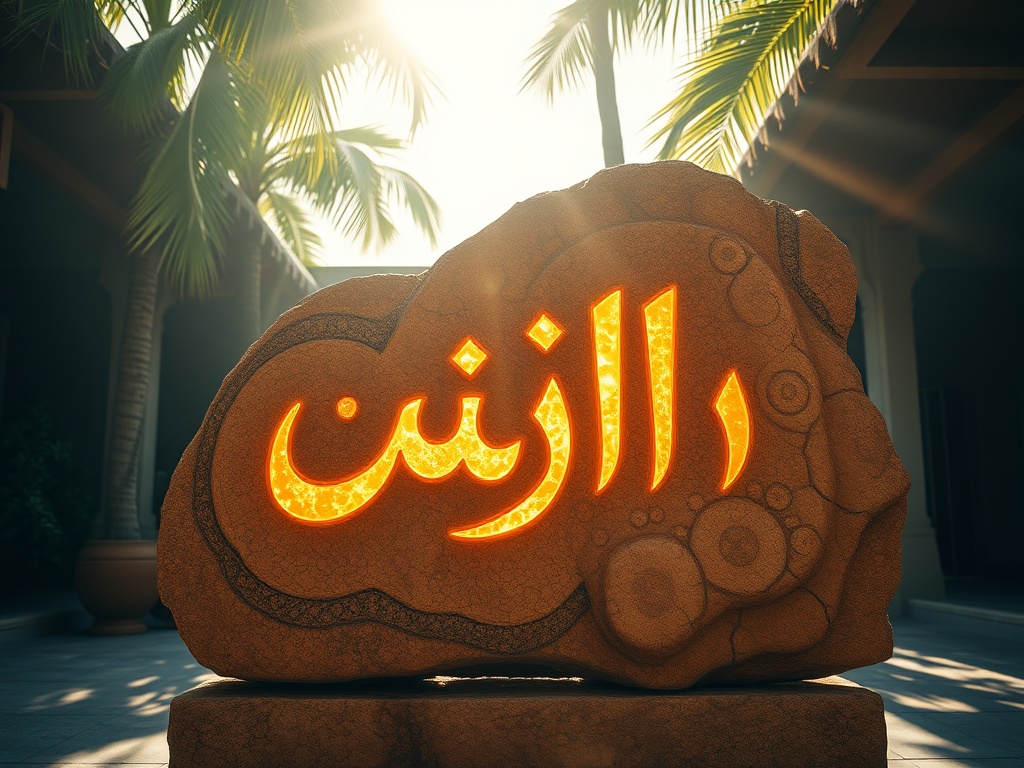
Why Our History Always Begins Somewhere Else
In the quiet spaces between academic journals and social media debates, a fundamental question about Maldivian identity is being asked with increasing urgency: Why must our origins always begin elsewhere? The prevailing narrative that Dhivehin migrated from the Indian subcontinent faces mounting skepticism from those who see it as a colonial relic rather than established fact.
The debate centers on what constitutes evidence and who gets to interpret it. Historical accounts from foreign travelers like Ibn Battuta, once treated as definitive records, now face scrutiny for their inherent biases and limitations. These documents, written through the lens of outsiders, have long shaped our understanding of ourselves, yet they represent only fragments of a much richer story.
Critics of the migration theory point to the absence of concrete archaeological evidence linking early Maldivians to specific Indian populations. The speculative nature of these claims becomes particularly problematic when they serve modern political narratives. The suggestion that Dhivehin must have external origins reflects what some describe as a colonial mindset that struggles to acknowledge indigenous civilizations outside familiar frameworks.
This intellectual resistance mirrors patterns seen across other island nations. The question arises: Why are Kiribati islanders universally recognized as aboriginal while similar claims about Dhivehin meet resistance? The answer may lie in who controls the narrative. When regional powers write history, they inevitably shape it to reflect their own interests and worldviews.
The implications extend beyond academic circles into education and cultural preservation. Current history curricula often present migration theories as established fact, leaving little room for alternative perspectives or critical examination. Meanwhile, funding for genuine Dhivehi research remains inadequate compared to other cultural expenditures.
This isn't merely about revising history books—it's about reclaiming agency in defining Maldivian identity. The push for recognizing aboriginal status represents a deeper desire for self-determination in how Dhivehin understand their place in the world. It challenges the assumption that complex societies must have external origins rather than developing independently.
As the conversation evolves, it reveals a nation grappling with the legacy of external interpretation. The challenge lies in building an authentic historical understanding that respects both scientific inquiry and cultural sovereignty, creating space for Dhivehin to write their own story rather than inheriting one written by others.
— Source fragments: The claim that we dhivehin came from India is bs; It fits with indian colonial mindset; We dhivehin are an aboriginal people; Why are Kiribati islanders considered aboriginal but dhivehin are not; We let the regional hegemon write our story