Why send the poor on Hajj?
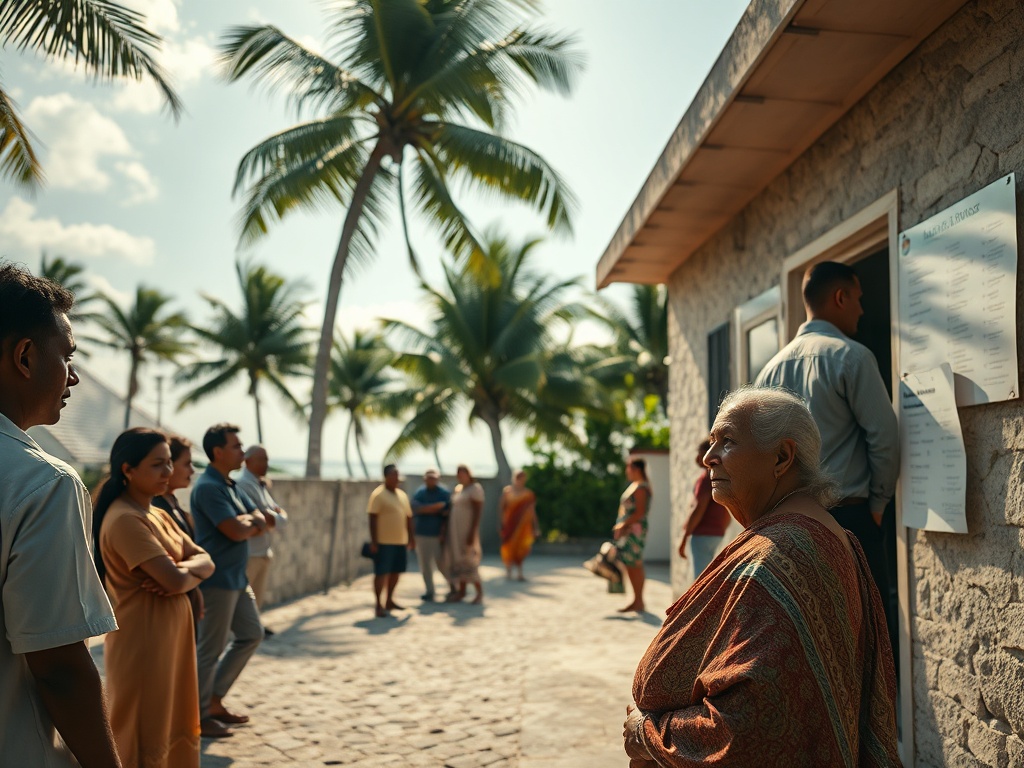
Walking through the narrow streets of Malé after the evening prayer, I overhear people discussing the Hajj lottery. The government will send 50 poor Maldivians this year, all expenses paid. It sounds merciful—a blessing for those who could never afford the journey. But then the question surfaces in my mind, quiet but persistent: In Islam, isn't Hajj only for those who are financially capable? Isn't that a clear condition?
We grow up learning the five pillars. We know that Hajj is fardh only upon those who have the means—who can afford the journey without leaving their family in hardship. Our grandparents taught us this. Our local imams repeat it in Friday sermons. The Quran and Sunnah are explicit. So when the state sponsors those who are officially registered as poor, something feels spiritually unsettled. It’s not about denying anyone a blessing. It’s about whether we are replacing divine wisdom with political generosity.
Here in our islands, we understand poverty intimately. We see the elderly struggling with medicine costs, families in social housing worrying about school fees, young people without work. When the government covers Hajj costs for those registered as poor, it appears compassionate. But if someone cannot support their own household, if they depend on state zakat or community help for food and rent, then by Islamic definition, they are not financially capable. Sending them might actually contravene the spirit of the obligation.
Perhaps this program stems from a genuine desire to help people fulfill a lifelong dream. President Muizzu’s pledge to send 1,000 impoverished individuals over five years sounds impressive. It wins goodwill. But I wonder: would that budget be better used lifting people out of poverty so that one day they can perform Hajj on their own rizq? Building small businesses, creating stable jobs, ensuring healthcare—these are also sadaqah jariyah. They enable self-reliance, which is a deeper form of dignity.
Our faith has always emphasized balance. The poor have rights in our wealth, but they also have responsibilities in worship—only according to their capacity. When we bypass the fiqh conditions for Hajj, even with good intentions, we risk reducing ibaadah to a public welfare program. It becomes less about personal readiness and more about political patronage.
I don’t question the piety of those selected. May their prayers be accepted. But as a community, we must ask whether our actions align with Allah’s commands, not just our emotional or political desires. In a nation where many struggle with basic needs, perhaps our first religious duty is to ensure everyone can stand on their own feet. Then, Hajj will come as a true bounty, not a subsidized trip.
Let us reflect. Our deen is perfect. Our understanding and application must be, too.