Why the Maldives could pioneer basic income
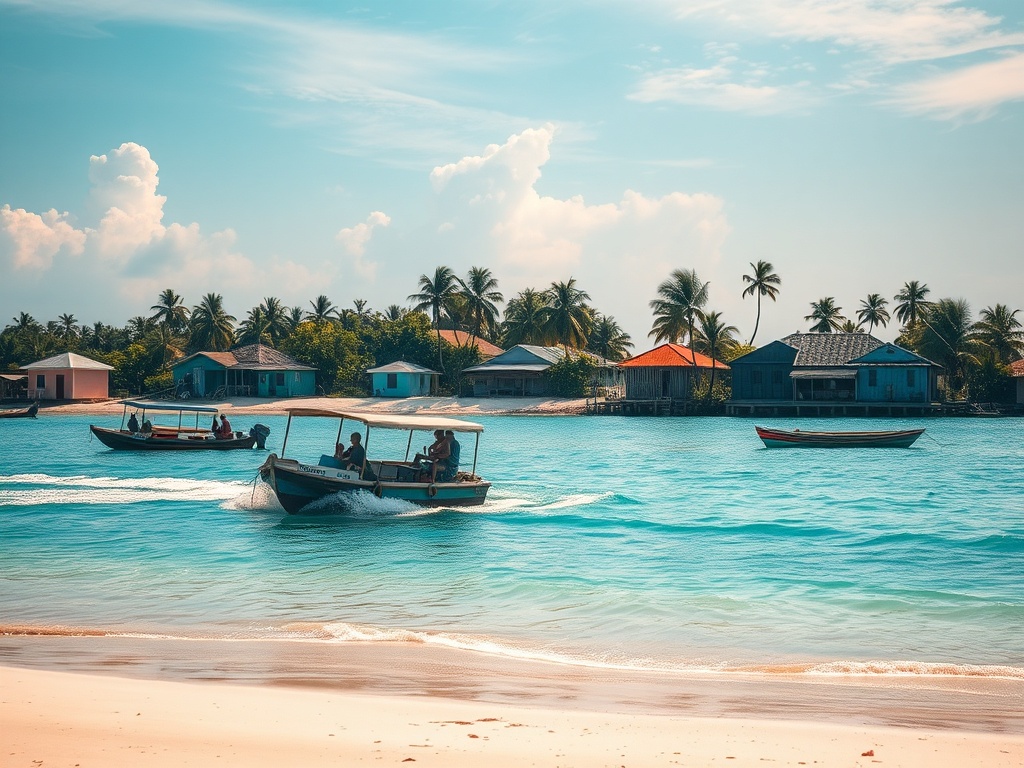
From the ferry deck watching another island shrink into the horizon, the physical separation between communities feels absolute. Each atoll, each island, exists as its own small world with distinct economic rhythms—fishermen hauling their catch in one lagoon, guesthouse owners counting occupancy in another, government clerks processing subsidies in Malé's cramped offices. This fragmentation, often seen as a development challenge, could be our greatest advantage.
No other country has this built-in laboratory condition. We could implement and monitor a basic income on one island while using neighboring islands as control groups, all within the same cultural and regulatory framework. The sea that separates us becomes a natural boundary for economic observation. Local councils already track who qualifies for fuel subsidies, whose children receive educational grants, which families need electricity support. The administrative architecture for distribution exists; it just needs repurposing.
Our size works in our favor too. With around 350,000 citizens, we're not trying to move mountains but organize what's already within reach. The national budget that currently funds scattered subsidies could be redirected toward a consolidated basic income—simplifying bureaucracy while ensuring everyone receives foundational support. The resorts generate substantial national revenue, yet many Maldivians still struggle with unemployment and rising costs. A basic income wouldn't solve everything, but it would create stability in an economy where tourism dollars often bypass local communities.
This isn't about utopian dreams but practical steps. We've maintained our sovereignty for millennia while adapting to changing worlds—from monsoon trading routes to luxury tourism. The same pragmatism that built floating cities could build an economic floor beneath every citizen. As the ferry approaches the next island, I imagine what might happen if no one there had to worry about their next meal or their children's school supplies. The experiments happening elsewhere in the world could find their perfect testing ground right here, in these scattered islands where community ties remain strong despite the distances between us.