Why Your Birth Island Decides Your Land Rights
The conversation echoes across social media platforms and coffee shops: "We are stuck with the land we are born in. This is feudal system." This simple statement captures the frustration of a generation questioning why land ownership in the Maldives remains tied to ancestral geography rather than modern economic realities.
At the heart of the debate lies the Binveriya scheme, which many describe as the biggest issue of our generation. The program's implementation has revealed stark inequalities in how Maldivians access land. While some receive land simply for having a Malé address, others wait decades for inheritance or marriage to secure property rights. The system creates what one observer describes as "nikamethi meehaa" – those who receive land through birthright versus those who must struggle for it.
The core tension emerges between different visions of land's purpose. Is land a form of wealth to be accumulated, or a fundamental right to be distributed equitably? As one commentator notes, "Land is wealth. No wealthy person talks against wealth. It's us poor people who are talking against our interests." This paradox reveals how current policies often benefit those who already have resources while leaving others perpetually renting in their own country.
Policy solutions exist, if there's political will. The problem of land hoarding – where individuals hold vast tracts of unused property – could be addressed through taxation or usage requirements. "If holding on to land costs money then they will release it," argues one voice in the debate, pointing to the economic incentives that currently encourage speculation over development.
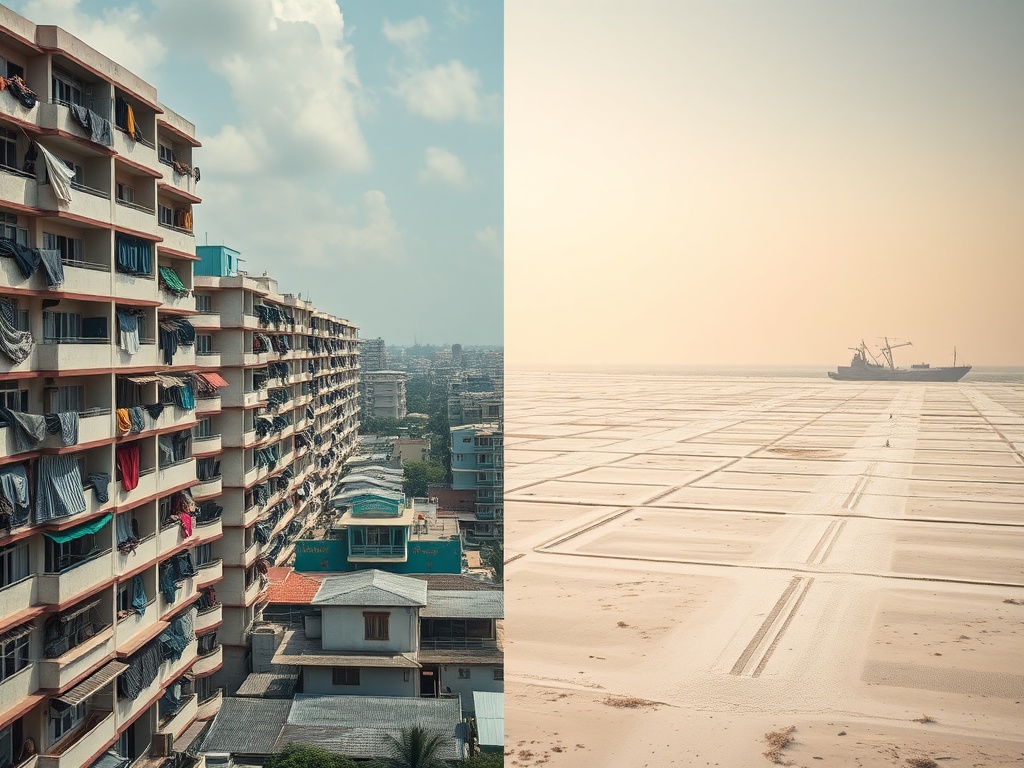
The geographic disparities compound the issue. While large-scale reclamation projects continue in northern and southern atolls, much of this newly created land remains vacant. Meanwhile, in crowded urban centers like Malé, the housing crisis intensifies, with many residents spending their lives paying rent without ever building equity.
Some propose a more mobile conception of land ownership, where Maldivians could buy property where they work, then sell it when they move – much like the housing markets of other nations. This would require dismantling the current system that ties people to ancestral islands regardless of economic opportunity.
The challenge now is moving beyond partisan arguments to find equitable solutions. As one commentator wisely observes, "What is given is given, cannot be taken back. Now we need to think what else can be done to make the land issue more equitable." The conversation has shifted from whether land distribution should change to how we can create a system that serves all Maldivians, not just those born in the right places.
Ultimately, the land debate represents a larger conversation about what kind of society the Maldives wants to become. Will we remain bound by feudal-era thinking, or can we develop policies that recognize both our cultural connections to place and the economic realities of modern life? The answer will define Maldivian society for generations to come.
— Source fragments: currently we are stuck with land we are born in; Binveriya scheme is THE biggest issue of our generation; land is wealth; the problem to solve is land hogging; if holding on to land costs money then they will release it; there is enough land for everyone; why opt for large-scale land reclamation when most lands remain vacant; What is given is given, cannot be taken back; now we need to think what else can be done to make the land issue more equitable