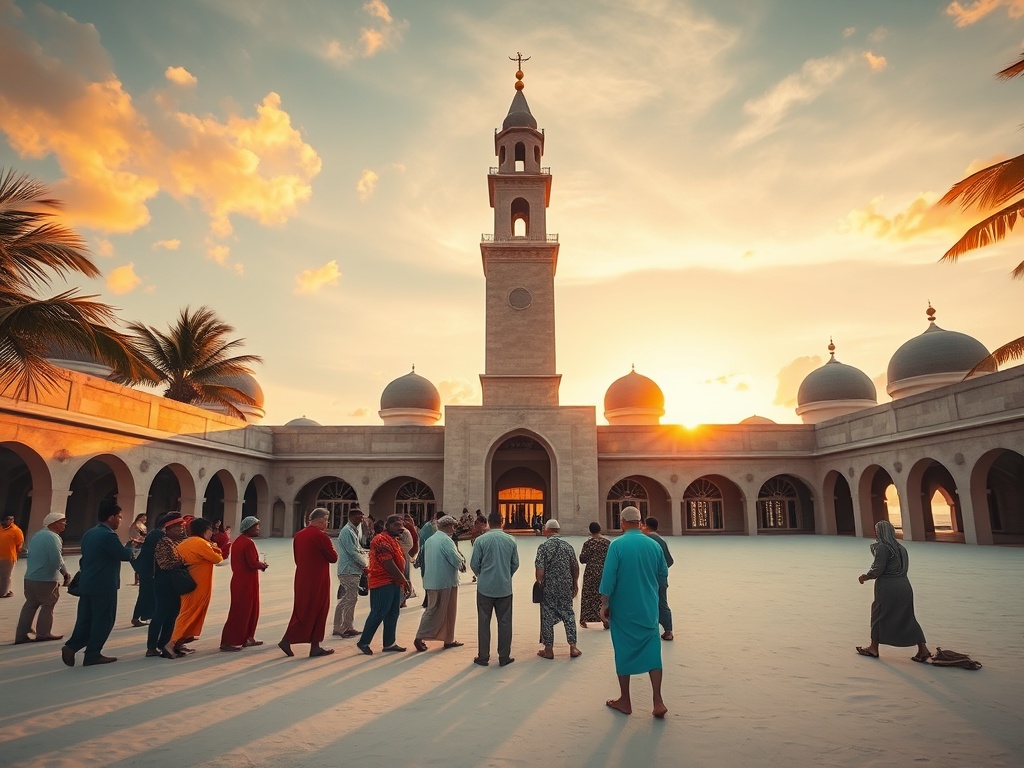
Young Boys Leading Prayer in Maldivian Mosques
In the prayer halls of the Maldives, a quiet tension simmers beneath the surface of daily worship. The question of who should lead prayer—particularly the growing practice of very young boys serving as imams—has sparked reflection on religious authority, tradition, and the changing spiritual landscape of the islands.
The concern centers on whether impressionable young boys should lead prayer when older, more knowledgeable individuals are present. This debate touches on the delicate balance between encouraging youth participation in religious life and maintaining the depth of spiritual leadership that comes with maturity and study. The discussion extends beyond mere ritual to questions of religious education and what constitutes proper preparation for leading a congregation.
This conversation unfolds against a backdrop of broader societal shifts. Observers note a changing religious consciousness among Maldivian youth and even elders, with some expressing concern about the country moving toward a more secular populace. The perceived silence from religious scholars on these matters has created what some see as a spiritual vacuum, where foundational questions about religious practice and leadership remain unanswered from traditional sources of authority.
The Maldives, constitutionally a 100% Muslim nation, faces the complex challenge of maintaining religious traditions while navigating modernization and global influences. The tourism-driven economy, high cost of living, and youth unemployment create social pressures that inevitably affect religious life and practice. When young people struggle with drug use and limited opportunities, the role of religious institutions in providing guidance and stability becomes even more critical.
What emerges is not simply a debate about prayer leadership but a larger conversation about religious education, community values, and the transmission of Islamic knowledge across generations. The questions being raised reflect a community grappling with how to preserve religious authenticity while engaging with contemporary challenges.
The discussion ultimately points toward the need for renewed religious scholarship and leadership that can address both traditional concerns and modern realities. As Maldivians navigate these questions, the very nature of religious authority and community responsibility comes into focus, suggesting that the answers may lie not in rejecting youth involvement but in strengthening the religious education and mentorship that prepares the next generation for spiritual leadership.
— Source fragments: Concerns about young boys leading prayer when older knowledgeable people are present; observations about changing religious consciousness among youth and elders; concerns about secularization trends