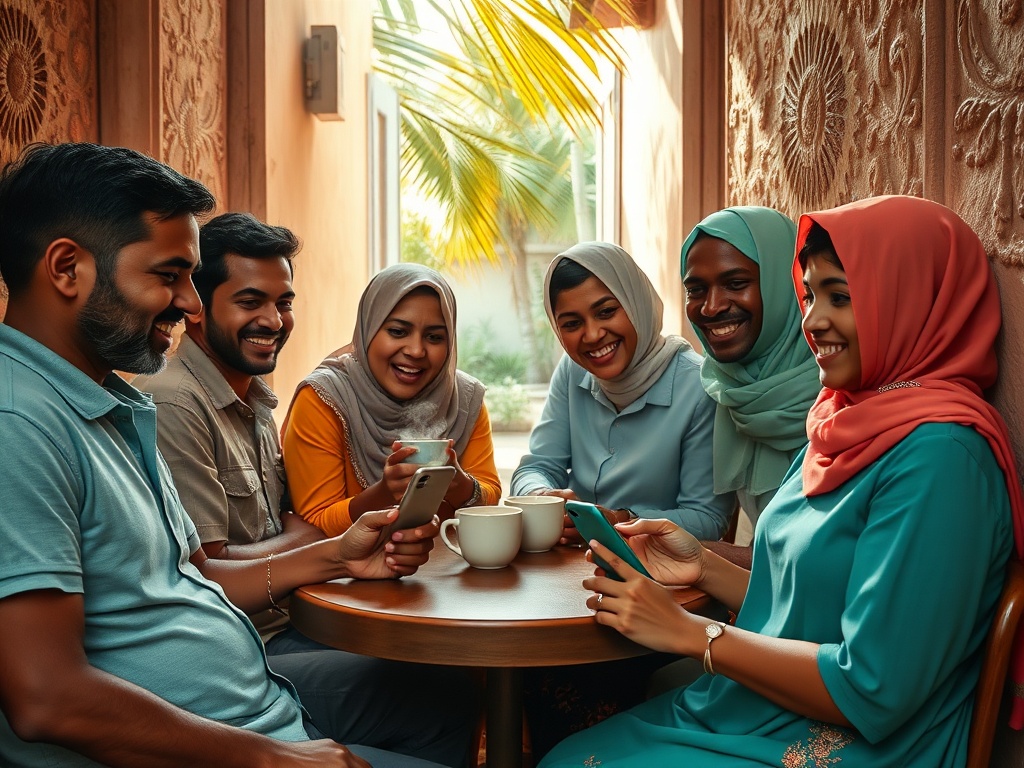
Young Maldivians in Cafes, Questioning Inherited Narratives
In the crowded cafes of Malé and across the scattered atolls, a political awakening is taking shape. It's not marked by rallies or party manifestos, but by the quiet determination of a generation that has grown tired of inherited narratives and broken promises.
The conversation reveals a nation at a crossroads, caught between competing historical claims. Some voices passionately defend past leadership, recalling an era when basic food security was the primary achievement—when the transition from subsistence foods to stable staples represented monumental progress. These defenders speak of 30-year tenures as periods of nation-building, framing current criticism as historical ignorance.
Yet simultaneously, a different energy emerges—the energy of young Maldivians who refuse to accept the political inheritance they've been handed. They're not interested in relitigating past glories or failures; their focus is on the present reality of unemployment, housing crises, and what they perceive as compromised values in the political establishment.
This new generation admires political figures who reject conventional strategy and maintain core values without compromise. They're drawn to leaders who build movements through volunteerism rather than patronage networks. There's particular appreciation for those who can challenge the status quo with humor and humanism, offering an alternative to what they see as the political center's determination to maintain a "vile non-viable status quo" and the far-right's "false promises to overturn it."
The emerging resistance, largely organized through digital platforms, represents more than just political opposition. It's a cultural shift—a rejection of the notion that bold voices should be lost to drugs or despair, as one observer worries. Instead, these young activists are embracing their Dhivehi identity while demanding better governance.
What makes this moment particularly significant is the blend of idealism and pragmatism. The admiration for leaders who "go hard but with humanism" suggests a rejection of the bitter polarization that has characterized Maldivian politics. There's recognition that change requires both principle and strategic thinking, that core values matter as much as political victories.
As the country faces foreign policy tensions, economic pressures, and systemic governance challenges, this generational conversation represents Maldives' most valuable resource: citizens who refuse to accept that politics must remain the domain of established elites and their historical narratives. They're building something new—not just a resistance, but an alternative vision of what Maldivian democracy could become.
— Source fragments: Multiple references to past leadership achievements, admiration for unconventional political approaches, youth political engagement, resistance building on digital platforms, and generational differences in political perspective