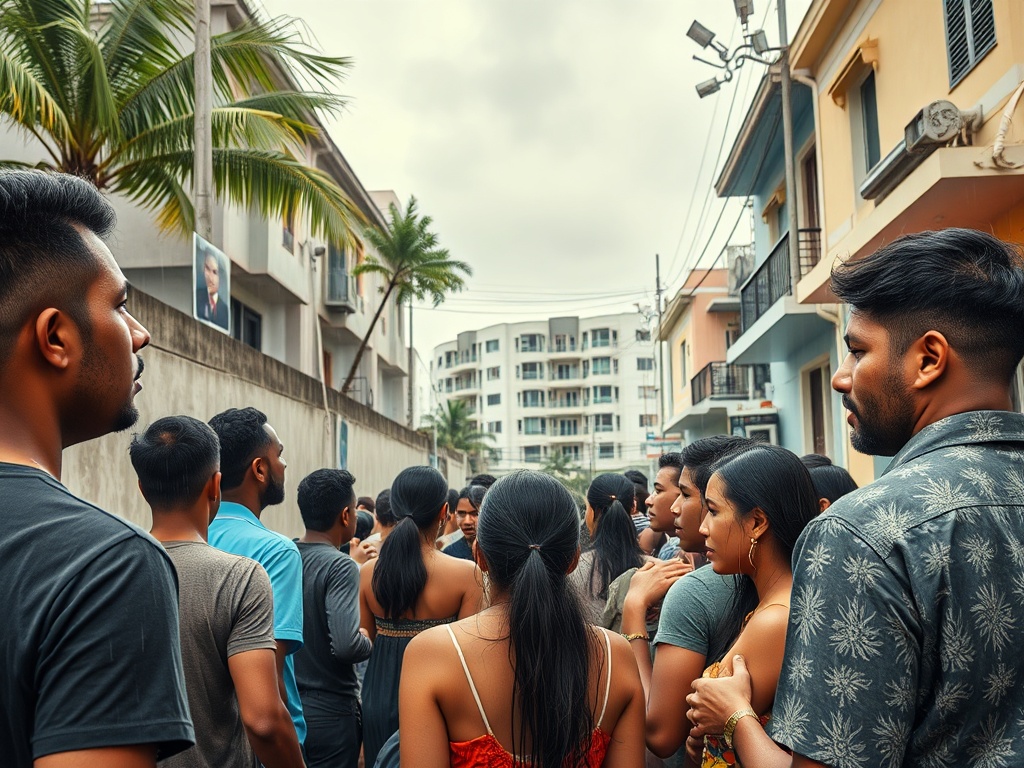
Young Maldivians Rally Behind Azim's Promise of a Home
In the crowded landscape of Maldivian opposition politics, a name keeps resurfacing in conversations across social media platforms and coffee shops: Mohamed Azim. Supporters within the Maldivian Democratic Party are increasingly framing him as the candidate who could bridge the party's internal divides while addressing fundamental issues that have long plagued Maldivian society.
The most consistent theme emerging from his supporters centers on housing rights—specifically, "housing for all without discrimination" and "residency rights for all Maldivians, without exception." This isn't merely campaign rhetoric; it speaks directly to the acute housing crisis in Malé, where congestion has reached breaking point and government housing projects have become politicized tools rather than solutions. For many young Maldivians watching their peers struggle to find affordable housing while subsidized flats are subleased for profit by absentee leaseholders, Azim's position represents a break from business-as-usual politics.
What makes Azim's potential candidacy particularly compelling is his apparent appeal across generational lines. While established political factions within MDP—the Solih loyalists and Nasheed's Democrats—continue their internal maneuvering, Azim's supporters point to his ability to attract new members to the party, particularly among Gen Z voters who have historically shown limited engagement with formal politics. "Since so less GenZ are running for such posts," one observer noted, suggesting that Azim represents a rare bridge between established political structures and the aspirations of younger Maldivians.
The enthusiasm isn't limited to presidential ambitions. Supporters envision Azim potentially serving as mayor—a role that would position him to directly address urban planning and housing issues in the capital. The comparison to international progressive movements, such as Zohran Mamdani's projected victory in New York, reflects a growing desire for politicians who prioritize "people over power" and "justice over privilege.
As the MDP primary approaches, the fundamental question remains whether Azim can translate online enthusiasm into tangible political support. His backers believe he represents more than just another candidate—he embodies a potential generational shift in Maldivian politics, one where housing rights and inclusion could become the central pillars of opposition strategy. With the 2028 presidential election looming, the MDP faces a critical choice between maintaining established factional alliances or embracing a candidate who might expand their base beyond traditional constituencies.
The coming months will test whether Azim's housing-focused platform can withstand the complexities of Maldivian politics, where land distribution has historically been tied to electoral calculations. What's clear is that his supporters see in him something that has been in short supply in recent Maldivian politics: a candidate willing to address fundamental rights without exception.
— Source fragments: Primary fragments about Azim's potential candidacy, housing policy position, generational appeal, and comparisons to progressive international movements were synthesized into analytical narrative.