Your English is Atrocious, the First Comment Said
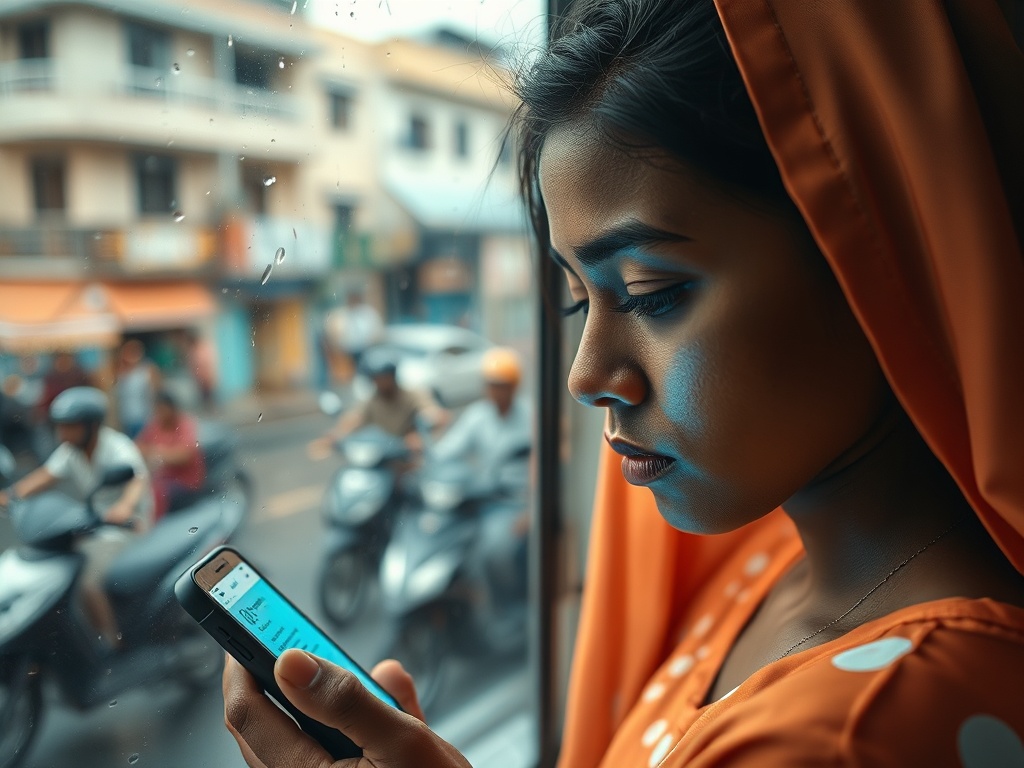
The screen glows with accusations that ricochet across timelines and feeds. "Your English is atrocious," one comment begins, setting the tone for what follows—a cascade of personal attacks, blocked accounts, and questions about upbringing. This is the modern Maldivian public square: a space where political disagreement quickly devolves into character assassination.
At the heart of this digital fray lies a fundamental tension between personal accountability and collective identity. When someone says "the problem with YOU is..." and the response becomes "are you talking about me or Maldivians in general?" we see the blurring of individual critique and national representation. This confusion reflects a larger societal pattern where political figures become symbols rather than people, their actions interpreted as either betraying principles or upholding traditions.
The phenomenon of blocking critics—"He has blocked almost all the Maldivians on X"—suggests a retreat from genuine engagement. When leaders insulate themselves from dissenting voices, they create echo chambers that reinforce rather than challenge perspectives. This digital segregation mirrors the physical divisions in our society, where political allegiance often determines social circles and professional opportunities.
Young people watch these exchanges unfold and draw sobering conclusions. "He is one of the biggest reasons no youth wants to be in the spotlight anymore," observes one voice, capturing the chilling effect of relentless public scrutiny. The fear isn't merely of disagreement, but of the personal destruction that can follow—the questioning of family background, the mocking of physical appearance, the perpetual character judgments.
Yet within this toxic environment, there remains a longing for more mature discourse. "For the love of God, stop treating Rashwan like a 16 year old who needs parental guidance," pleads one comment, advocating for treating adults as accountable for their actions. This desire for responsibility without infantilization speaks to a deeper yearning for political conversations grounded in mutual respect.
The personal becomes inescapably political when former presidents and their families become targets. The observation that "He's also a former president of Maldives" serves as a quiet reminder that positions once held should command a basic dignity, even amid vigorous policy disagreement.
What emerges from these fragments is a portrait of a society struggling to balance passionate political engagement with basic human decency. The warning that "there are people taking lessons from your actions and there may come a day when you are at the receiving end" echoes an ancient wisdom often forgotten in the heat of online combat: that the methods we normalize today may define our treatment tomorrow.
As the digital dust settles on another cycle of accusation and response, the question lingers: can we build a public square where strong opinions don't require destroying persons? Where political disagreement doesn't necessitate personal denigration? The future of Maldivian democracy may depend on the answer.
— Source fragments: Good. Stick to Dhivehi posts. Your English is atrocious; Well, then next time chose your words carefully mate; So what is it, are you talking about me or are you talking about Maldivians in general; He has blocked almost all the Maldivians on X; how does it feel to forsake everything what you once stood for; I don't see anybody questioning your upbringing; For the love of God, stop treating Rashwan like a 16 year old; Exactly, he is one of the biggest reasons no youth wants to be in the spotlight anymore; Doesn't mean your upbringing needs to be questioned now does it; would you wish upon yourself what you have done to others