Your Land, Their Name: The Maldives' Inherited Gridlock
Across the scattered islands of the Maldives, a quiet revolution is brewing in the way people think about land, inheritance, and belonging. The conversation has moved beyond simple complaints about housing shortages to fundamental questions about whether the current system—where land rights are often determined by birthplace and bloodline—serves a modern, mobile nation.
The core tension lies in what many describe as a feudal inheritance: being 'stuck with the land we are born in.' This system creates paradoxical realities where someone from Baa Atoll might inherit multiple properties while living in Malé for decades, yet still qualify for government land schemes. Meanwhile, others who have built lives in the capital for generations find themselves with no secure foothold.
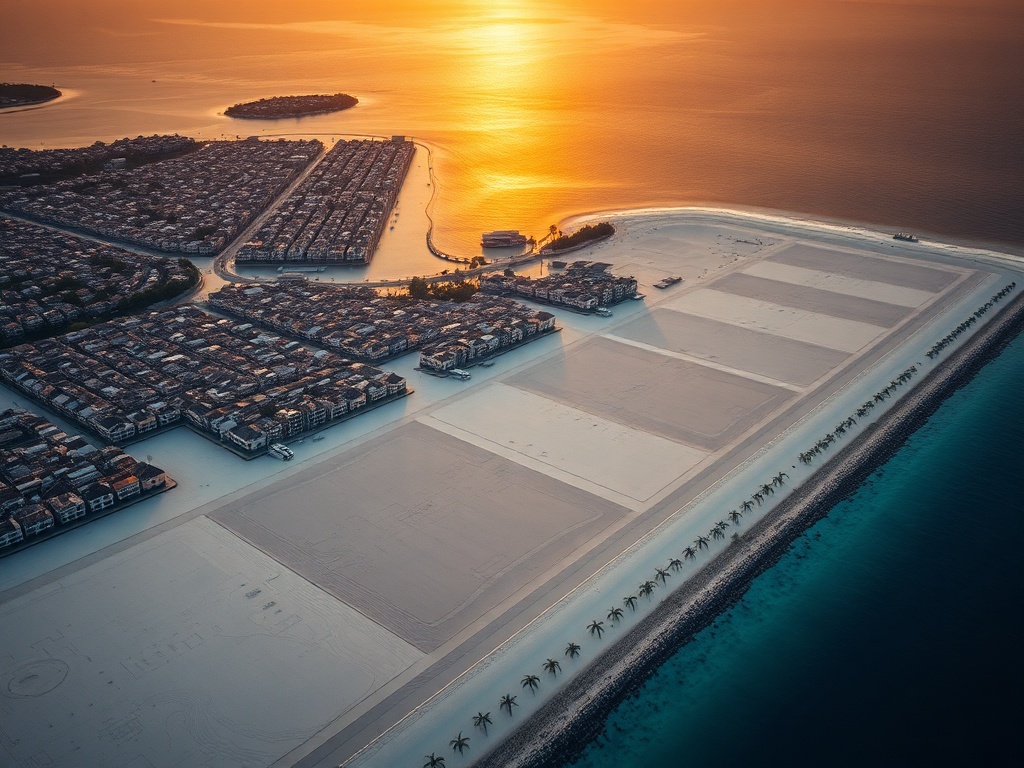
Policy discussions now center on the Binveriya scheme, which has become emblematic of these contradictions. The debate has shifted toward whether eligibility should require surrendering inherited or owned properties elsewhere—a principle some argue should apply universally rather than selectively. Critics point to vacant reclaimed lands from Dhidhoo to Addu as evidence that the problem isn't scarcity but distribution.
The land hoarding phenomenon represents another critical dimension of the crisis. Vast properties held by wealthy individuals incur minimal costs for non-use, creating artificial scarcity in a nation where population growth has stagnated. Policy solutions focusing on taxing idle land could release these holdings back into circulation, making land truly available for those who need it most.
What emerges from these conversations is a recognition that land represents more than physical space—it embodies wealth, security, and identity. The current system privileges certain forms of inheritance while leaving others perpetually renting their existence. As one perspective notes, 'land is wealth,' and the conversation about its distribution inevitably becomes a conversation about power and privilege.
The way forward requires moving beyond partisan divides to address structural inequities. Neither major political bloc has presented comprehensive solutions, leaving citizens navigating a patchwork of inherited disadvantages and politicized allocations. What's needed are policies that recognize both the emotional attachment to ancestral lands and the practical realities of a population increasingly mobile between atolls.
Ultimately, the land question touches the very fabric of Maldivian society—how we define belonging, how we distribute opportunity, and whether we can build a system where geography of birth doesn't determine destiny. The solution lies not in continuing feudal patterns but in creating frameworks where land serves people, rather than people serving land.
— Source fragments: currently we are stuck with land we are born in, feudal system, land hogging, Binveriya scheme, inherited land, policy solutions, vacant reclaimed lands, equity in land distribution