Your New Flat, Their 20-Year Investment
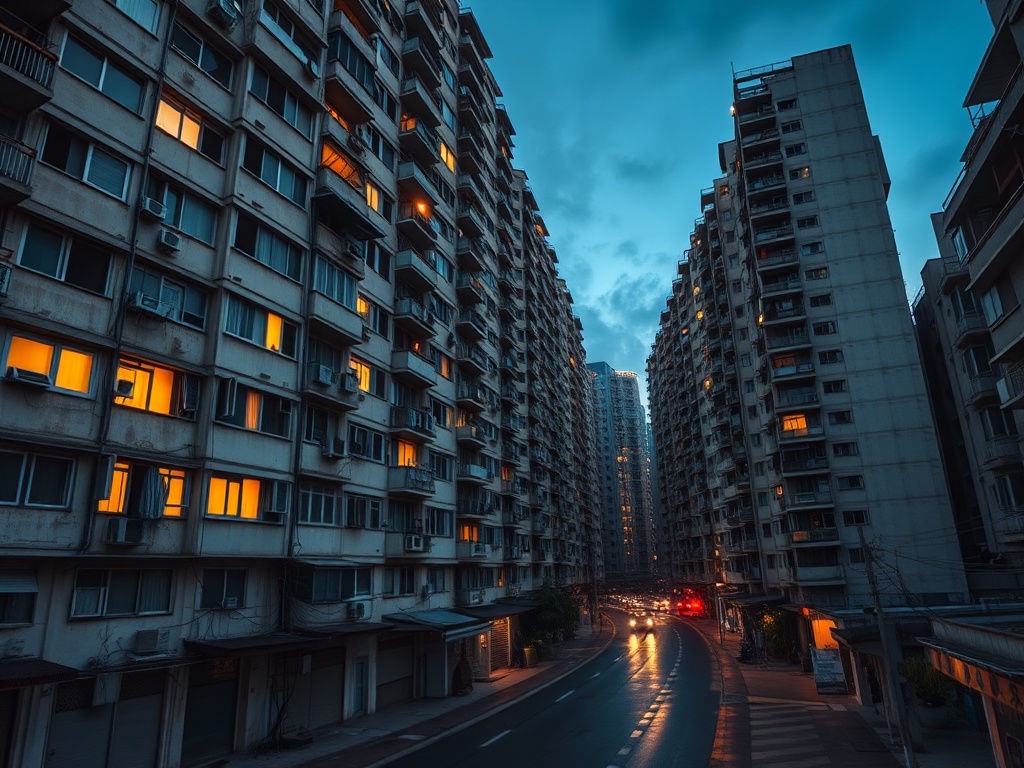
In the relentless vertical expansion of Malé, a troubling reality hides behind the gleaming new facades. The common practice of surrendering 5-8 floors to construction companies for 20 years has created a housing ecosystem where everyone loses except the developers. Families who dreamed of secure homes now find themselves with compromised ownership and uncertain futures.
The mathematics of modern Malé living reveals a stark equation: a family land plot becomes the collateral for vertical development, but the resulting building comes with strings attached. The terrace floors become private access zones for financiers, shared living spaces grow increasingly congested, and what should be generational security becomes temporary shelter.
For the growing number of Malé residents without ancestral land rights, the situation is even more precarious. They face rents consuming disproportionate shares of income—15,000 rufiyaa payments that represent dreams deferred, opportunities lost. The promise of property ownership remains distant while they watch peers with inherited land leverage their advantage, creating wealth disparities that will span generations.
The human cost manifests in cramped two-bedroom apartments housing families of five, where children approaching marriage age face the sobering reality that they too will join the rental market. The very social fabric frays as the concept of home becomes reduced to alphanumeric designations in Hulhumalé—1-1-26—rather than spaces for family life and community connection.
Critics argue that current housing policies fail to account for equity—the principle of adjusting support based on different starting points rather than applying uniform solutions. The result is a system that perpetuates inequality while claiming to solve it. The debate has shifted from simply building more housing to questioning the fundamental structures of development and ownership.
As maintenance costs mount and tenant-landlord tensions escalate, the temporary nature of these arrangements becomes increasingly apparent. The conversation now centers on whether current approaches serve Maldivian families or merely create new forms of dependency and exploitation. With limited capacity to build and growing demand, the crisis threatens to define urban Maldivian life for decades to come, leaving many to wonder if the vertical solution has created more problems than it solved.
— Source fragments: Not all buildings are owned by the Male meeha; 5-8 floors given to construction company for 20 years; Families forced into 2-bedroom apartments; Paying 15k for rent since 21; Equity means adjusting the bar based on different realities; Belonging to flat numbers is dehumanizing; Land belongs to children of tomorrow