Your Postal Address Determines Your Future
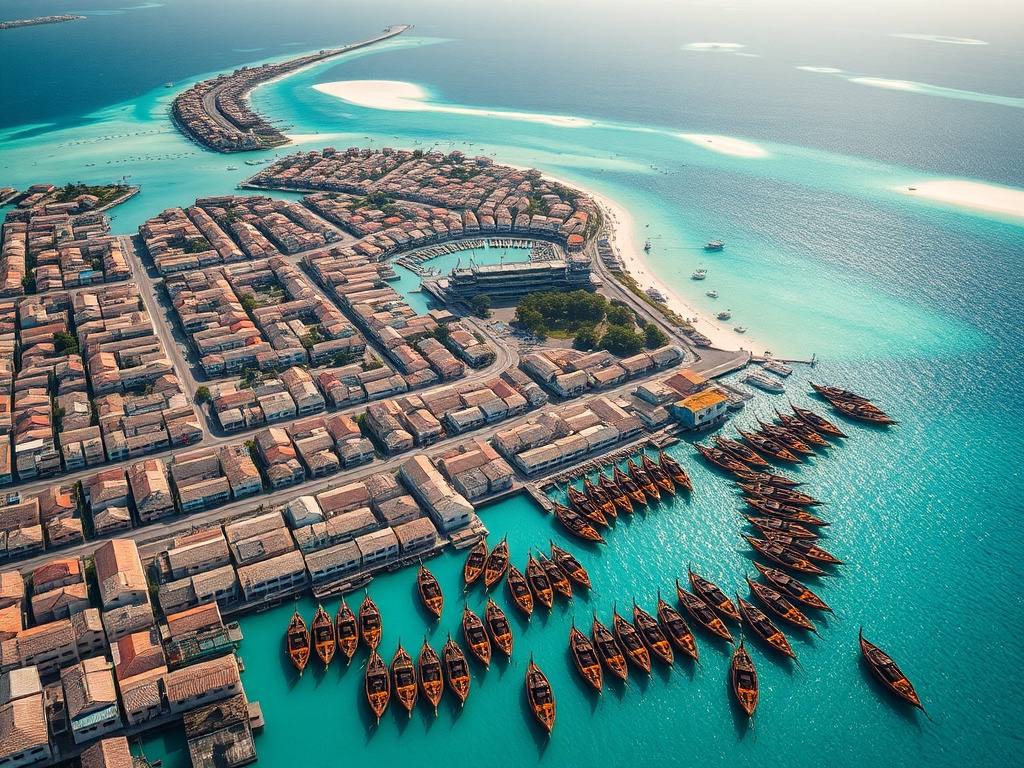
The debate over land allocation and residency rights in the Maldives reveals fractures far deeper than policy disagreements. Beneath the surface of administrative schemes like Binveriya lies a complex geography of belonging, where postal addresses determine opportunity and identity becomes a matter of jurisdiction rather than heritage.
In the crowded urban landscape of Malé, the term 'RT'—registered there—has become more than bureaucratic shorthand. It describes a class of citizens physically present in the capital yet administrively anchored to islands they may have left generations ago. The constitutional promise against discrimination for migrants clashes with the reality of limited access to housing, education, and community acceptance.
The tension isn't new. As one observer noted, this division predates current housing schemes, reflecting 'a set mindset' that has calcified over time. The psychological comfort of familiar groups creates natural divisions, with communities clustering around shared backgrounds and experiences. This human tendency becomes problematic when it hardens into exclusion, when 'rarashuga vany ekam thihen eh nooney'—they act like they own the island—becomes a barrier to integration.
The discussion extends beyond Malé to islands throughout the atolls, where similar dynamics play out on smaller scales. The question isn't merely about land distribution but about what it means to be from somewhere in a nation where administrative registration often contradicts lived experience. When people speak of 'hatharu kashimathi Male' blood,' they're articulating a vision of belonging that transcends paperwork—one based on generations of presence rather than bureaucratic designation.
This creates a paradox: while the Constitution guarantees equal treatment, social practice often falls short. The result is a system where, as critics argue, 'the system has marginalized the RTs who migrated here.' They find themselves doubly disadvantaged—without opportunity in their registered islands and without full acceptance in their adopted communities.
The solution requires more than policy adjustments. It demands confronting the psychological and social barriers that perpetuate these divisions. As one contributor noted, 'coexistence of different people isn't accepted is one reason of flocking in one region.' True integration requires not just free movement but genuine welcome—the kind that sees shared humanity rather than competing claims to belonging.
Until we address both the administrative framework and the social mindset that sustains these divisions, we risk creating what some fear most: 'a second class of Maldivians in the land they migrated to.' The challenge isn't just distributing land but reimagining what it means to belong to an island nation in the 21st century.
— Source fragments: Binveriya scheme, RTs marginalized, constitutional discrimination, social divisions between islands, psychological grouping behaviors, exclusionary attitudes toward migrants