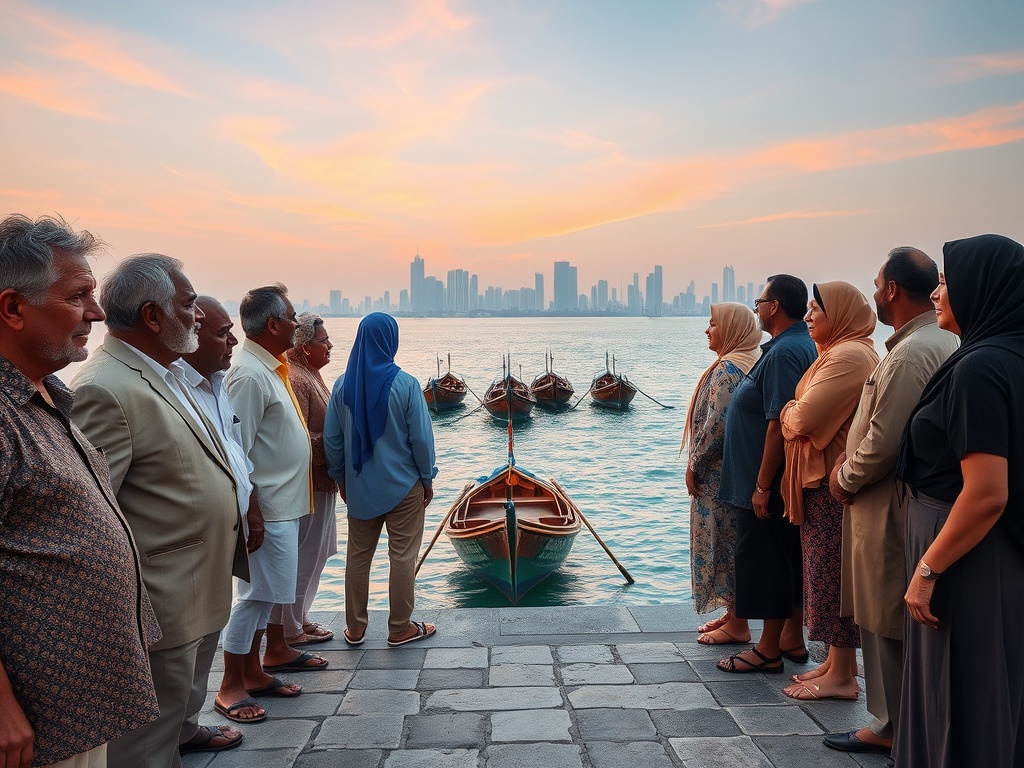
Your Residency, Not Your Birthplace, Should Define Your Rights
In the scattered atolls of the Maldives, a quiet but persistent conversation about belonging and rights has been unfolding. At its core lies a simple yet profound principle: that all Maldivians deserve equal rights regardless of where they were born and registered. This sentiment, once whispered in private conversations, is now finding its voice in public discourse, challenging long-standing bureaucratic distinctions that have divided citizens.
The movement for equal rights has attracted support from unexpected quarters, including prominent legal minds and former government officials who have championed these causes long before they entered mainstream discussion. These advocates bring not just moral authority but constitutional expertise, having participated in the very drafting of the nation's foundational documents. Their sustained commitment suggests this is more than a passing political issue—it's a matter of fundamental justice.
What makes this conversation particularly compelling is its grounding in lived experience rather than abstract legal theory. The argument that "if you live here, you deserve the same rights" reflects a growing recognition that residency creates bonds and obligations that transcend administrative categories. This perspective challenges the notion that certain Maldivians are somehow less Maldivian because of paperwork distinctions, proposing instead that shared experience and community participation should be the true measures of belonging.
While some dismiss these concerns as falling outside specific jurisdictional boundaries, supporters counter that support for equality and human dignity should never be constrained by bureaucratic silos. The very fact that respected legal experts continue to engage with this issue suggests it touches on constitutional principles that transcend individual government portfolios.
As the debate evolves, it's becoming clear that this isn't merely about legal technicalities but about the kind of society the Maldives aspires to be. The participation of former attorneys general and constitutional drafters lends weight to the argument that current distinctions may not align with the spirit of the constitution they helped create. Their continued advocacy, often without fanfare or political calculation, underscores the fundamental nature of the principles at stake.
The path forward remains uncertain, but the growing consensus around basic equality suggests a shifting landscape. As more voices join the conversation, from legal experts to ordinary citizens, the question is no longer whether rights should be equal, but how to make that equality real in practice—and what it means to be truly Maldivian in a nation where geography has always defined identity, but where shared humanity might ultimately prove more important.
— Source fragments: MMs and RTs are all Maldivians and therefore, we're all entitled to the same rights regardless of where we were born and registered; prominent lawyers who advocated for RT rights; vocal advocates for RT rights even before others began; support for equality and dignity is a basic ask; if you live here you deserve the same rights doesn't matter what meehaa