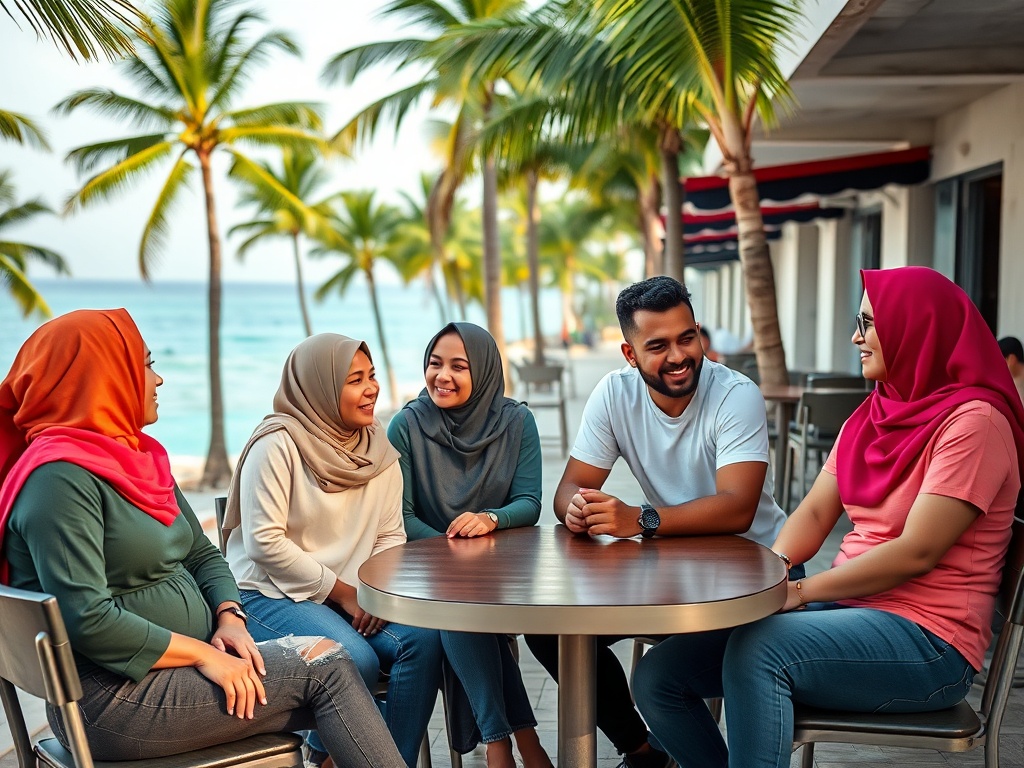
Youth frustration grows as political promises remain unfulfilled
Across the Maldives, a palpable sense of frustration is brewing among the younger generation as they watch political leaders make promises that consistently fail to materialize. This sentiment echoes through conversations in Male' coffee shops, university campuses, and social media platforms where young citizens voice their disillusionment.
Many young Maldivians who once engaged enthusiastically with the political process now describe feeling disconnected from the leadership that claims to represent them. The gap between political rhetoric and tangible improvements in education, employment opportunities, and social services has become increasingly difficult to ignore. This disconnect is particularly acute for those living on outer islands, where development often feels stalled despite repeated assurances.
The daily reality for many young people includes navigating limited job markets, inadequate public services, and rising living costs while watching political energies focus elsewhere. This has created a growing cynicism about the entire political establishment, regardless of party affiliation. The pattern of ambitious campaign pledges followed by minimal follow-through has eroded trust in the political class.
Social media platforms have become primary spaces for this discontent to find expression. Young Maldivians use these digital spaces to share their experiences, compare notes on unkept promises, and question why their voices seem to matter only during election seasons. The conversations reveal a generation that is politically aware but increasingly skeptical of traditional political channels.
This disillusionment extends beyond party politics to encompass broader governance issues. Many young citizens express concern about how political maneuvering affects practical aspects of their lives – from the quality of healthcare and education to infrastructure development and environmental protection. The sense that political priorities don't align with public needs is a recurring theme in these discussions.
The cumulative effect of these experiences is a youth demographic that remains engaged with national issues but increasingly questions whether the current political system can deliver meaningful change. This represents a significant challenge for Maldives' democratic development, as a disenchanted younger generation may increasingly disengage from formal political processes altogether.
As these conversations continue across the archipelago, they highlight the urgent need for political leaders to bridge the gap between promise and delivery. The credibility of Maldives' political institutions may depend on their ability to reconnect with this crucial demographic and address the substantive concerns that dominate young people's daily lives and future aspirations.