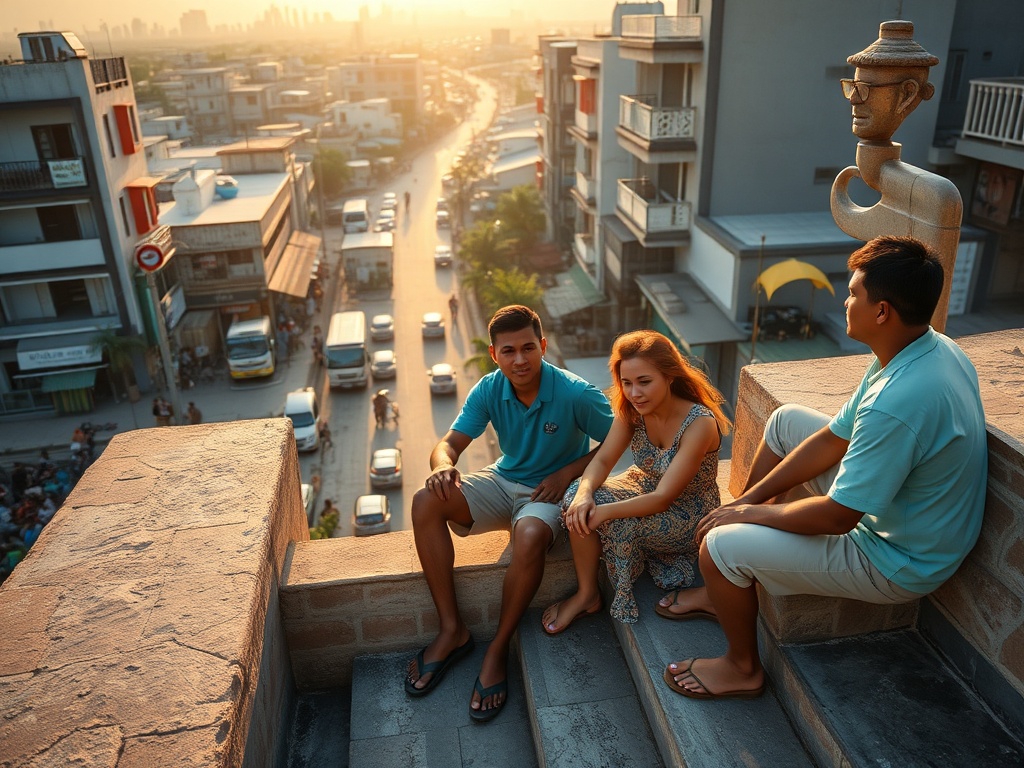
Youth issues: Drug use, unemployment, lack of educational/job opportunities.
The announcement of an orientation program for Maldivian students heading to Malaysia highlights a deeper, more troubling reality. Why are so many of our brightest young minds forced to leave? The answer lies in a domestic landscape where opportunity has become a scarce commodity, and the promise of a future is increasingly found overseas.
What happens to a nation when its youth see no path at home? The statistics are more than numbers; they are stories of frustration. Young Maldivians graduate into an economy where tourism dollars often bypass local communities, siphoned off by resort owners who park profits abroad. This creates a vacuum where meaningful employment is a luxury, not a guarantee.
Is the government's focus on political consolidation and nepotism diverting attention from this generational crisis? While new ministers are appointed and relatives secure ambassadorships, the fundamental structure of our economy fails to create jobs. The public sector is bloated with political appointees, but the private sector, starved of investment and innovation, cannot absorb the thousands of young people entering the workforce each year.
How does unemployment fuel other social ills? Without legitimate avenues for income and purpose, some turn to drugs, a problem that ravages communities and fractures families. This isn't merely a law enforcement issue; it's a symptom of a society that has failed to provide its youth with hope. The cycle is vicious: no jobs lead to despair, despair leads to addiction, and addiction further diminishes the potential of our future.
What is the real cost of sending our youth abroad for education? While students gain knowledge, the country loses its most dynamic human capital. The remittances they might send back are a pittance compared to the long-term brain drain. We are effectively training our future doctors, engineers, and leaders for other economies because our own cannot accommodate them.
Can the current model of governance reverse this trend? With a high cost of living, foreign currency shortages, and a housing crisis in Malé, the foundational supports for a thriving youth population are crumbling. The politicization of housing and healthcare means that even basic stability is a struggle. When young people cannot afford a home or access quality medical care, how can they be expected to build a life here?
The orientation in Kuala Lumpur is a temporary lifeline, but it is not a solution. The real work must begin at home. We must ask ourselves: are we content to become a nation that exports its potential, or will we finally create an environment where our youth can dream, work, and prosper on their own shores?