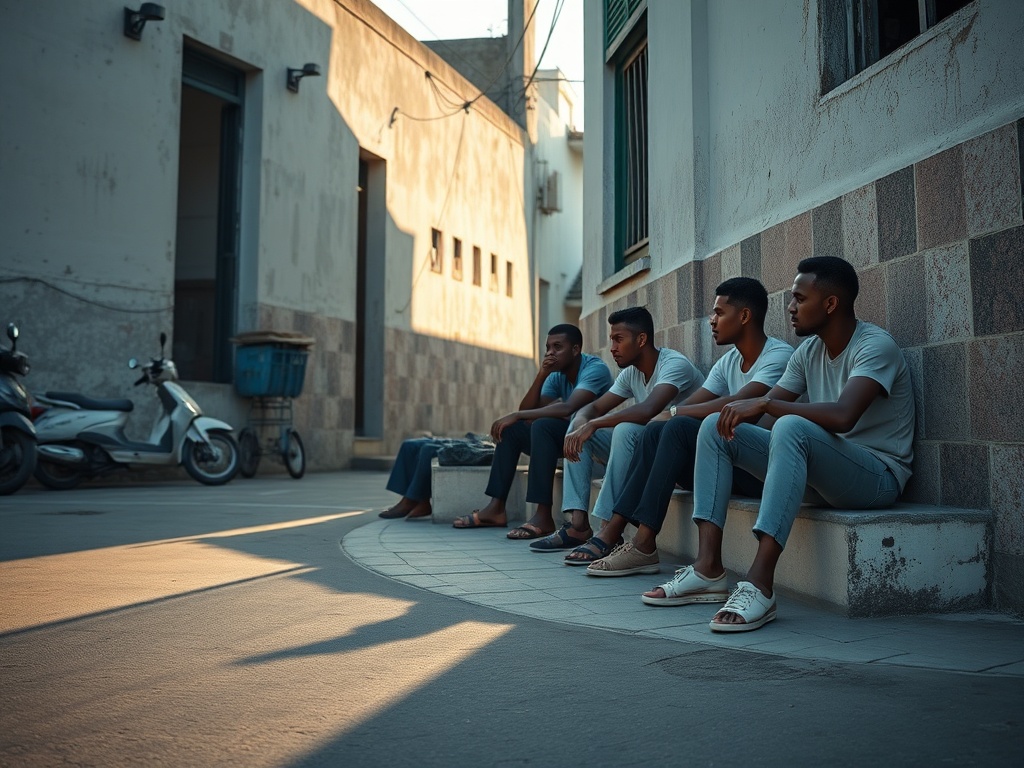
Youth issues: Drug use, unemployment, lack of educational/job opportunities.
In the narrow alleyways of Malé and across the atolls, a quiet desperation is taking root. It’s a feeling familiar to many young Maldivians who find themselves caught between ambition and reality. They finish school, sometimes even university, only to stare at a horizon with no jobs in sight. The promise of a bright future, once vivid, now fades like a sun-bleached poster on a coral-stone wall. Why, in a nation whose economy is buoyed by a multi-billion dollar tourism industry, are its own youth left treading water?
The answer isn't simple, but it's stark. The tourism revenue, while substantial, often circulates in a closed loop among resort owners and their international partners. The jobs created for locals are frequently in lower-wage service roles, while managerial and skilled positions are perceived to be filled by expatriates. This creates a structural unemployment problem where education does not guarantee a corresponding career. Young people with diplomas find themselves competing for the same entry-level positions, leading to frustration and a sense of wasted potential.
This economic stagnation is a fertile ground for social decay. With idle hands and disillusioned minds, many youths turn to substance abuse as an escape. The drug problem is not new, but its grip is tightening, moving from a social ill to a public health emergency. It preys on the vulnerable, offering a temporary reprieve from the pressures of a costly life and a future that seems out of reach. Families are torn apart, and communities bear the silent weight of addiction, often struggling in isolation due to social stigma.
What is the chain of cause and effect here? A lack of economic diversification means the country's wealth is not trickling down to create a broad-based, skilled job market. Concurrently, the education system may not be fully aligned with the practical skills needed for a modern, diversified economy, or for the high-value jobs within the tourism sector itself. The government’s focus often appears to be on grand political projects and geopolitical maneuvering, while this foundational crisis at home simmers, largely unaddressed.
So, where do we go from here? The solution requires a multi-pronged attack. First, there must be a genuine, non-political commitment to economic diversification, investing in sectors like sustainable fisheries, IT, and renewable energy that can create skilled jobs for Maldivians. Second, the education curriculum needs a critical overhaul to foster entrepreneurship, vocational skills, and critical thinking, preparing youth not just to seek jobs, but to create them. Third, robust, accessible rehabilitation programs and mental health support are not a luxury; they are a necessity to salvage a generation from the clutches of addiction.
The future of the Maldives is walking the streets of Malé right now. The question is whether they will be equipped to build that future, or if they will be lost to the currents of neglect and despair. The choice made today will echo for generations to come.