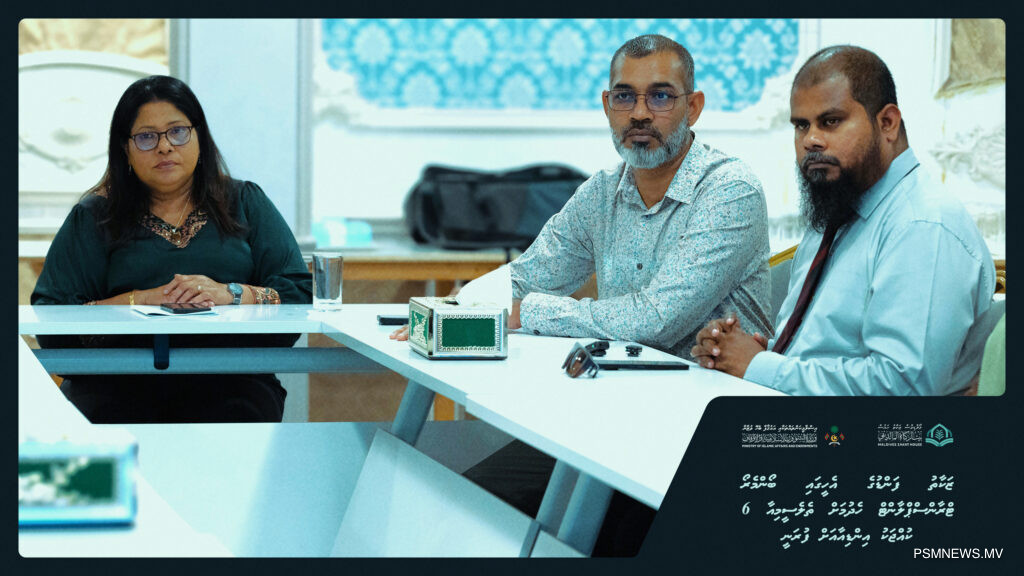
Zakat Fund Finances Bone Marrow Transplants for Six Maldivian Children
Six Maldivian children battling thalassaemia are traveling to India for life-changing bone marrow transplantations, funded by the Zakat Fund. The patients, whose families could not afford the costly procedure, represent the first group to seek this specialized treatment abroad this year.
To mark the departure, a ceremony was held attended by Health Minister Geela Ali, Maldives Zakat House Director General Sheikh Imthithaau Abbas, and Male’ City Group of Hospitals CEO Ibrahim Abdul Razzaq Haleem. During the event, officials outlined the financial framework providing the assistance and emphasized the importance of curative care for hereditary blood disorders.
Thalassaemia is a hereditary condition that typically necessitates lifelong blood transfusions and constant medical monitoring. Bone marrow transplantation remains the only curative option, replacing diseased marrow with healthy stem cells from a compatible donor. A successful transplant can eliminate the need for regular transfusions and prevent severe long-term complications, significantly improving the children's quality of life.
This initiative is part of a broader partnership between the Ministry of Islamic Affairs and Endowments and the Ministry of Health, formalized through a Memorandum of Understanding signed in February 2024. As part of this agreement, Maldives Zakat House recently deposited USD 162,127 into the National Social Protection Agency (NSPA) to cover transplantation costs for eligible patients.
In total, 10 patients have successfully completed the HLA donor matching process and are approved for treatment. While the first six have departed, administrative arrangements are being finalized for the remaining four to travel to Aasandha-empaneled hospitals in India.
The commitment to these critical procedures is substantial. Since 2024, the Zakat Fund has disbursed over USD 1.49 million to support bone marrow transplants for thalassaemia patients, ensuring that financial hardship does not prevent children from accessing potentially life-saving medical interventions.